


By Makutu Manneh
The Gambia Press Union has raised concerns over a government proposal to introduce registration and licensing requirements for journalists and social media users, warning that the measure could discourage critical reporting and weaken press freedom.
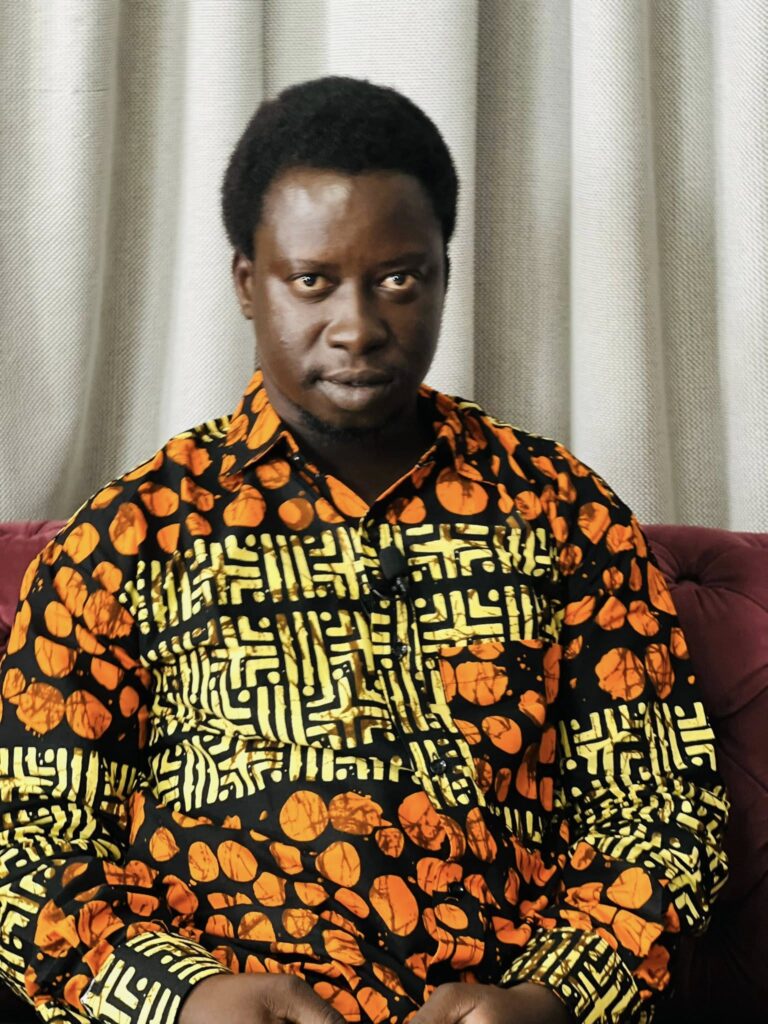
Modou Joof, the union’s secretary general, said the plan risked creating what he described as a “chilling effect,” in which journalists might self-censor out of fear that their accreditation could be denied, suspended, or not renewed.
“Journalists would not be able to effectively do their constitutional mandate to hold the government accountable because they might be thinking I wouldn’t get a license to practice journalism, or next year my license might not be renewed, or I can be suspended,” Mr. Joof said Thursday on the Kerr Fatou Show.
His comments came as debate continues over draft regulations that would introduce formal registration and licensing for media practitioners. The government has argued in previous discussions that such measures are intended to professionalize the sector and improve accountability.
But Mr. Joof said the union’s review of the proposal found that its intent and application were inconsistent with both domestic constitutional protections and international standards on freedom of expression.
He cited Section 207 of the 1997 Constitution, which he said places a duty on the media to hold public officials accountable, arguing that placing regulatory authority over journalists in government hands creates an inherent conflict of interest.
“You cannot be regulating people that are supposed to hold you accountable,” he said, adding that the proposed framework would give the Public Utilities Regulatory Authority the power to suspend journalists’ accreditation or deny renewal of licenses.
Mr. Joof said the union believed media regulation should not be controlled by a government institution, but rather by an independent body insulated from political influence.
Comments are closed.