

Supreme Court Orders New Trial in Kumba Sinyan Murder Case, Upholds High Court Practice Directions

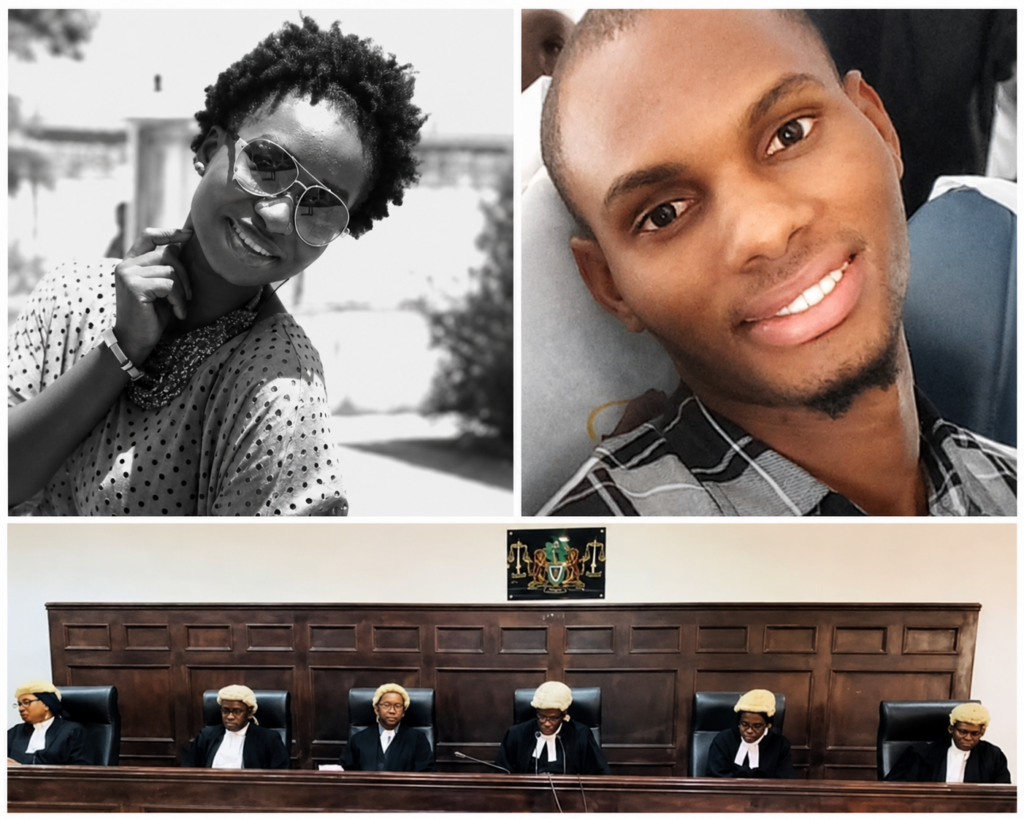
The Supreme Court has ordered that the murder case against Kumba Sinyan be tried afresh, rejecting an appeal by the Attorney General and reaffirming the validity of High Court Practice Directions requiring a new hearing when a criminal case is reassigned to a different judge without the accused’s consent.
The decision settles a dispute over whether criminal proceedings—including capital cases—must restart when a new judge takes over after substantial evidence has already been heard. The court ruled that the Practice Directions issued in 2013 and 2019 remain binding and are consistent with constitutional guarantees of a fair trial.
State Counsel Wakawa appeared for the Attorney General’s Chambers, while S. Twum represented Ms. Sinyan.
Ms. Sinyan was charged with the murder of Lamarana Jallow, who prosecutors say died after being cut in the stomach with a razor blade at Friendship Hostel. She was arraigned before the High Court on Nov. 9, 2022, and pleaded not guilty.
The trial began before Justice Sidi K. Jobarteh. Over the next 16 months, prosecutors called 10 witnesses and tendered 18 exhibits before closing their case on March 14, 2024.
The defense was expected to begin its case the following month, but proceedings were delayed after defense counsel raised concerns about Ms. Sinyan’s mental fitness to stand trial. Following a court-ordered psychological evaluation, she was found fit to stand trial and began giving evidence on June 26, 2024, testifying over six consecutive sittings.
The case was interrupted in September 2024 when Justice Jobarteh went on maternity leave. After her return, the Chief Justice reassigned the matter to Justice Adenike J. Coker, who had recently joined the High Court.
Following the reassignment, the defense asked Justice Coker to order a trial de novo, citing the High Court Practice Directions. The rules provide that where a criminal matter is transferred to a new judge, the proceedings must begin anew unless the accused agrees to continue from where the previous judge left off.
The prosecution opposed the application, arguing that restarting the proceedings would unfairly prejudice the State after more than a year of litigation. Prosecutors contended that a fresh trial would delay justice, require witnesses to testify again, waste public resources, and amount to a miscarriage of justice, particularly because the prosecution had already completed its case.
Comments are closed.