

Gambia Hosts African Caucus, With Barrow Pressing for Investment and Debt Relief

By Seedy Jobe
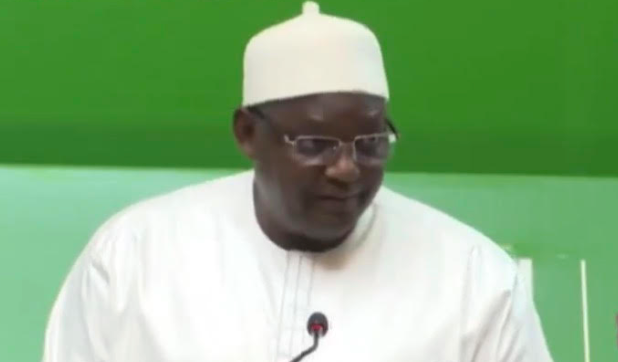
President Adama Barrow opened the 2026 African Caucus on Monday, urging international financial institutions and development partners to do more to close Africa’s vast infrastructure and financing gaps, as the continent grapples with mounting debt, climate pressures, and a growing youth population in need of jobs.
The three-day gathering, hosted by The Gambia at the Sir Dawda Kairaba Jawara International Conference Center, brought together finance ministers, central bank governors, and senior officials from the International Monetary Fund, the World Bank Group, the African Development Bank, and the Economic Community of West African States, alongside representatives from the private sector.
This year’s theme—Transforming Africa’s Economies Through Investment, Innovation, and Inclusion—set the tone for a meeting that organizers said would focus on unlocking financing for structural reform and converting the continent’s natural resource wealth into sustainable employment.
“Governments in Africa cannot achieve this alone,” Mr. Barrow told delegates. “It requires all hands on deck.”
In his address, Mr. Barrow acknowledged that the continent, despite its considerable endowments in natural resources and human capital, continues to face serious obstacles to growth. He cited geopolitical instability, climate change, inadequate infrastructure, and large financing shortfalls as among the most pressing challenges confronting African economies today.
He called on the IMF and the World Bank to support African governments in modernizing and expanding their tax systems, including through digitization, and pressed bilateral and multilateral partners to strengthen international tax cooperation in order to stem the flow of illicit financial transfers out of the continent—a problem that economists have estimated costs Africa hundreds of billions of dollars annually.
Mr. Barrow also pointed to persistent bottlenecks in intra-African trade under the African Continental Free Trade Area agreement, including limited access to letters of credit, declining correspondent banking relationships, and the absence of an efficient continental payment system.
On infrastructure, he said Africa still faces its largest development deficit in roads, energy, and digital connectivity and argued that bridging that gap was essential to enabling the economic transformation the caucus was convened to discuss.
Turning to The Gambia’s own record, Mr. Barrow said his government had invested heavily over the past nine years in road construction, energy access, health care, and education, to narrow the divide between rural and urban communities and equip young Gambians for an evolving labor market.
“The goal is to prepare our youth for the job market of the future,” he said, “and to ably navigate unforeseen challenges.”
He closed by assuring delegates of The Gambia’s continued partnership with the IMF, the World Bank, and other international partners, and extended an invitation for visitors to experience what he called the hospitality of the Smiling Coast.
“We hope you will not only leave with the success of this meeting,” Mr. Barrow said, “but also with long-standing memories of the Smiling Coast of Africa.”
Comments are closed.