


By Makutu Manneh
The West African Network of Excellence for TB, AIDS, and Malaria, known as WANETAM-4, has launched a five-year programme aimed at strengthening scientific research, training, and health systems across West Africa.
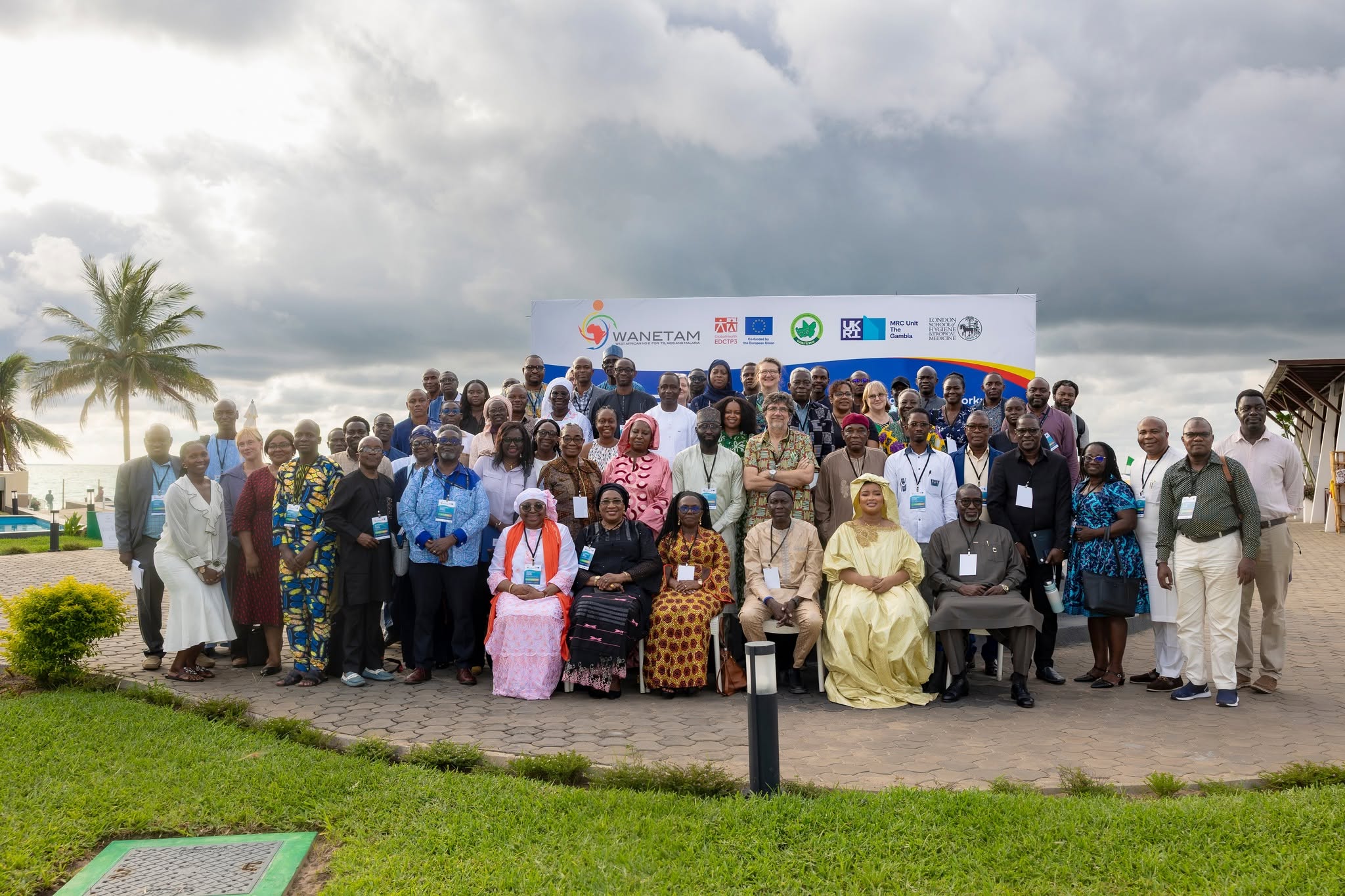
The initiative was unveiled at a kick-off meeting in The Gambia, where researchers, policymakers, development partners, and international representatives gathered to discuss efforts to expand the region’s capacity to conduct high-quality health research and respond more effectively to infectious diseases.
WANETAM-4 brings together 29 partner institutions—19 from nine West African countries and 10 from six European countries. The network includes universities, research centers, teaching hospitals, and national public health institutes working collaboratively to address some of the region’s most persistent infectious diseases.
Speaking at the opening ceremony, Dembo Kanteh, head of partnerships at MRC Unit The Gambia, welcomed participants to the launch and WANETAM-4’s first annual meeting on behalf of the West Africa Research and Innovation Management Association.
Kanteh said the gathering reflected a shared commitment to advancing scientific research, strengthening regional partnerships, building research capacity, and confronting some of the most pressing public health challenges facing West African communities.
Despite significant progress over the past two decades, he said, research capacity across the region remains limited, making stronger collaboration among institutions particularly important.
“Networks like WANETAM are essential to enable support across institutions to create the enabling infrastructure and systems for supporting grant implementation,” Kanteh said.
Providing an overview of the programme, Professor Dorothy Yeboah-Manu said WANETAM was established in response to West Africa’s persistent burden of infectious diseases and the region’s vulnerability to public health emergencies.
She cited outbreaks of Ebola and mpox as examples of crises that have demonstrated the need for stronger research institutions, greater regional cooperation, and better preparedness.
“West Africans need to take their own health into their own hands and be interested in their own welfare,” she said.
Professor Toyin Togun, speaking on behalf of WANETAM’s funders, said the programme was expected to build on the network’s previous scientific and capacity-development work while providing a platform for high-quality, multicenter research across the region.
Dr. Jorjoh Ndure-Tambedou, executive director of the Tertiary and Higher Education Trust Fund, reaffirmed the Gambian government’s support for WANETAM and its objectives.
Speaking on behalf of the government, Dr. Ndure-Tambedou described research as a necessity rather than a luxury, stressing its importance in strengthening public health systems and developing effective policies.
She said evidence-based decision-making was central to effective public health practice and highlighted the role of regional research networks in generating the evidence policymakers need to improve health outcomes.
Funded through the EU-Africa Global Health Partnership and coordinated by the London School of Hygiene & Tropical Medicine’s MRC Unit The Gambia, WANETAM-4 will focus on scientific research, capacity development and regional health security over the next five years.
The programme is expected to train emerging African research leaders, strengthen laboratory standards toward international accreditation and improve the region’s capacity to prepare for and respond to disease outbreaks.
Comments are closed.