

Sait Matty Jaw Urges Public Scrutiny of Presidential Nominations, Warns of Challenges Ahead

By Seedy Jobe
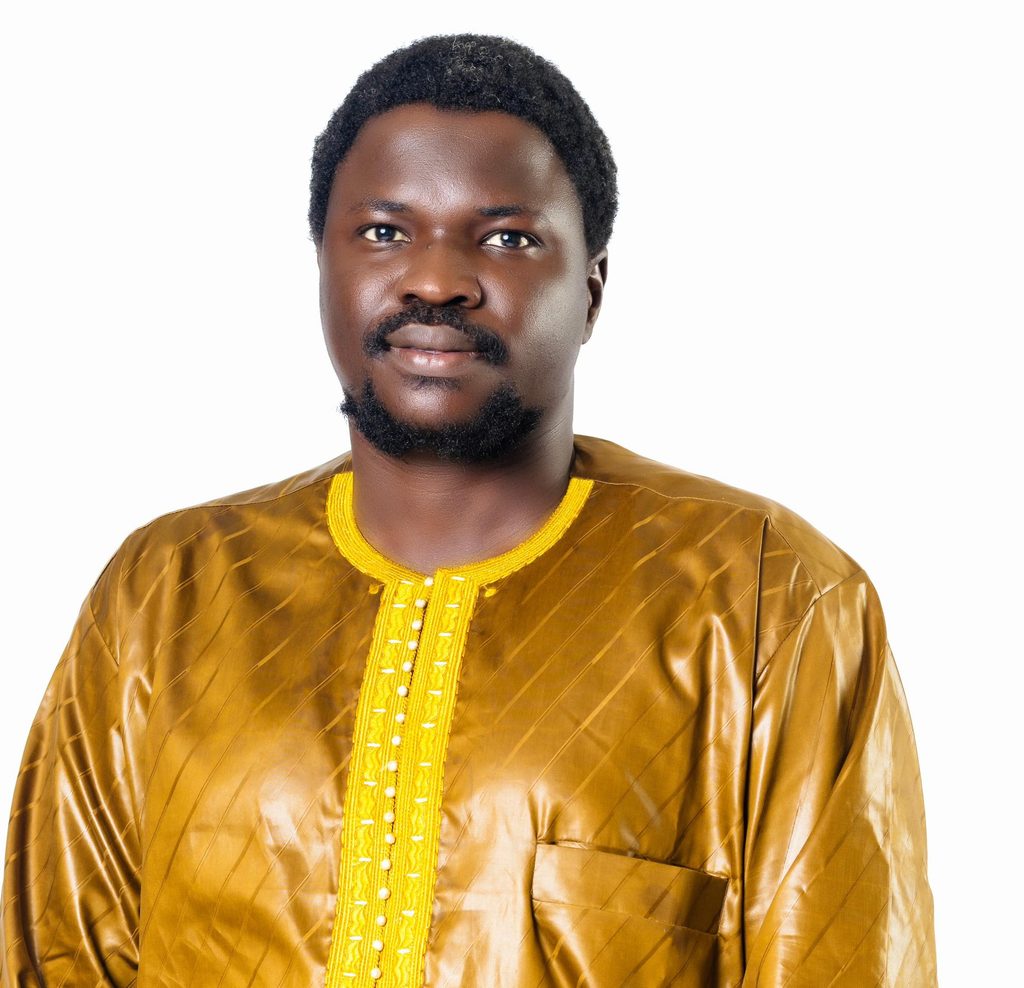
Sait Matty Jaw, Executive Director of the Centre for Research and Policy Development, has urged Gambians to closely monitor the presidential nomination process, describing it as a critical stage in ensuring credible, transparent, and inclusive elections.
Speaking during an interview with GRTS on Tuesday, Mr. Jaw emphasized that citizens have a responsibility not only to follow the proceedings but also to actively participate in the democratic process as the country prepares for the December 5 presidential election.
He said the nomination exercise is an essential component of the electoral cycle, during which aspiring candidates must demonstrate that they meet the legal requirements to contest the presidency.
Mr. Jaw explained that presidential aspirants are required to secure at least 5,000 nominators, including a minimum of 200 from each region, as part of the eligibility criteria.
He noted that civil society organizations and election observation groups are preparing to monitor the process, particularly whether candidates satisfy the prescribed requirements and whether the Independent Electoral Commission (IEC) conducts the exercise fairly and transparently.
According to him, election observation extends beyond voting day and includes assessing the credibility of each stage of the electoral process, beginning with voter registration and nominations.
Mr. Jaw also stressed the importance of maintaining a peaceful environment during the nomination exercise.
He described Gambian elections as traditionally resembling a carnival, characterized by colorful celebrations, large crowds, and enthusiastic political supporters. However, he cautioned that such activities must remain within the confines of the law.
Reflecting on changes since the previous election, Mr. Jaw highlighted the introduction of the Elections Act and several court decisions that have influenced the country’s electoral framework.
He cited the Banjul attestation case and litigation involving the Mayor of Kanifing and other local government officials over their terms of office.
According to Mr. Jaw, the latter case contributed to shortening the electoral cycle from three years to two years, creating a situation in which the country will experience more frequent electoral activities.
He observed that the compressed electoral calendar would keep The Gambia in an almost continuous political cycle, with elections and related activities extending into June or July.
While expressing confidence in the IEC’s experience in administering elections, Mr. Jaw warned that the shorter electoral cycle would place additional pressure on the commission’s operational capacity and resources.
He also raised concerns about changes to electoral legislation, particularly increases in nomination fees for aspiring candidates.
Mr. Jaw said proposals agreed upon during stakeholder consultations are sometimes altered when they reach the National Assembly, making the legislative process unpredictable.
He warned that higher nomination fees could discourage or prevent women and young people from contesting elections, potentially undermining efforts to broaden political participation.
Despite those concerns, Mr. Jaw commended the IEC for introducing monthly press briefings, describing the initiative as an important platform for dialogue, accountability and transparency.
He said the briefings provide political parties and other stakeholders with opportunities to raise concerns, debate electoral issues and seek clarification from the commission.
Mr. Jaw noted that elections follow a structured process involving voter registration, candidate nominations, campaigning, voting, declaration of results and, where necessary, judicial challenges.
He acknowledged that the IEC has continued to follow these stages while engaging stakeholders throughout the electoral cycle.
Mr. Jaw also highlighted emerging trends in Gambian politics, including the formation of political alliances and the growing use of artificial intelligence and digital technology by political parties and civil society organizations.
He cited websites developed by the ruling National People’s Party (NPP) and the United Democratic Party (UDP) as examples of how political organizations are increasingly embracing technology to strengthen their operations and public engagement.
He added that his organization was also developing digital systems to improve its work.
According to Mr. Jaw, these developments reflect an increasingly competitive political environment in which parties and institutions are being compelled to modernize their approaches.
He suggested that technological innovation could play a growing role in political communication, electoral monitoring and civic participation.
Turning to campaign financing and political mobilization, Mr. Jaw predicted that the upcoming election would involve substantial spending.
He observed that political parties were already deploying motorcycles, vehicles and other resources to mobilize supporters and organize rallies, even though the official campaign period had not begun.
According to him, the intensity of political activities suggests that parties are no longer waiting for the formal campaign period before engaging voters.
He described the ongoing mobilization as an indication that the political contest was already gathering momentum.
Mr. Jaw maintained that the growing competitiveness of the electoral environment makes public participation, independent observation and institutional transparency increasingly important.
He urged citizens and election stakeholders to remain engaged throughout the electoral process, emphasizing that the credibility of an election depends not only on what happens on polling day but also on the fairness and integrity of the procedures leading up to it.
Comments are closed.