

Special Prosecutor Pledges Fair Trials as Gambia Moves Toward TRRC Prosecutions
By Seedy Jobe
The Gambia’s special prosecutor has pledged to pursue cases stemming from the country’s truth commission with respect for both victims and defendants, stressing that accountability for past abuses must be accompanied by due process and fair trials.
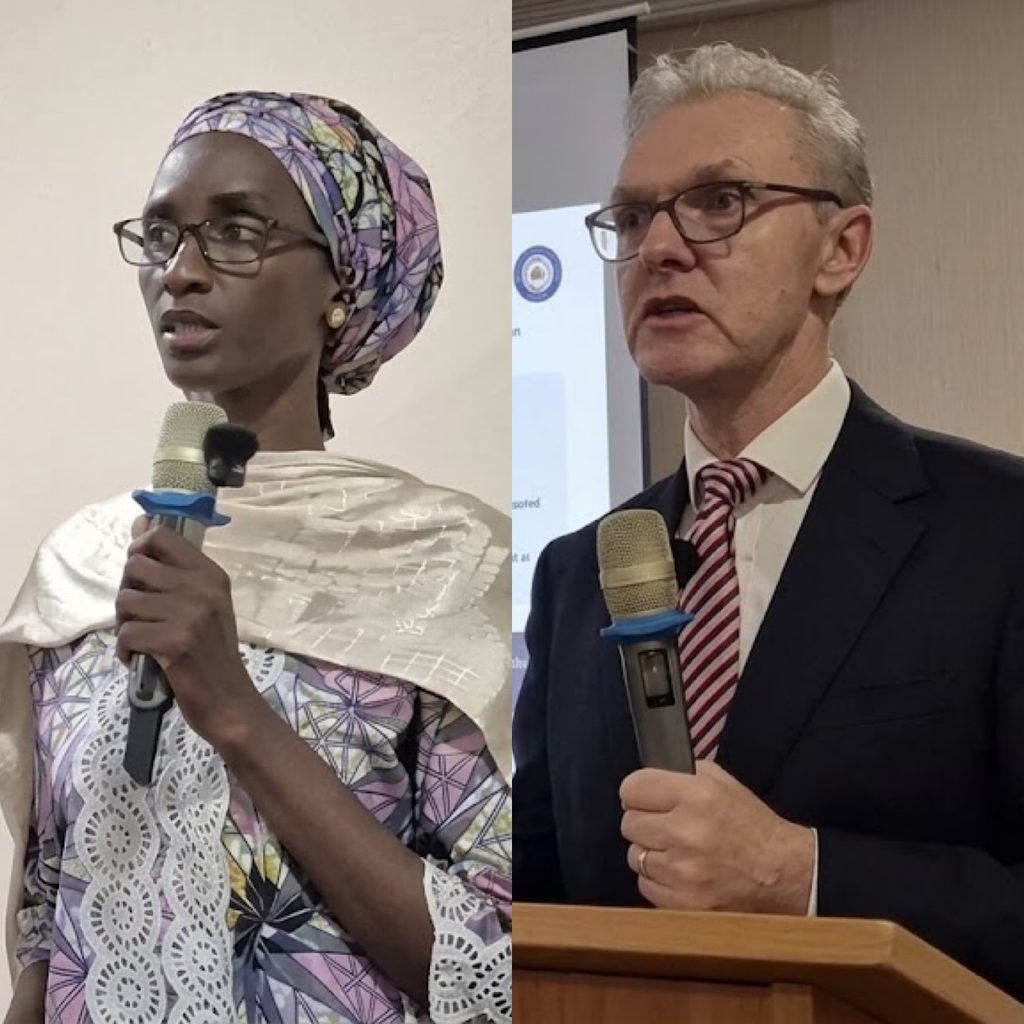
Martin Hackett, the special prosecutor, made the remarks Friday during a town hall meeting with legal practitioners at the Ocean Bay Hotel in Cape Point, part of an effort to engage the legal community as preparations advance for prosecutions recommended by the Truth, Reconciliation, and Reparations Commission, or TRRC.
The Office of the Special Prosecutor was established under the Special Accountability Mechanism to pursue criminal cases identified in the TRRC report and the government’s white paper.
The meeting brought together the registrar general, representing the attorney general; the special adviser on transitional justice; leaders and members of The Gambia Bar Association; senior lawyers; legal practitioners; and law students.
Mr. Hackett said prosecuting cases arising from the country’s transitional justice process would require cooperation across the justice system.
“Work together to deliver justice,” he told participants.
Although prosecutors, defense lawyers and other actors have different responsibilities, Mr. Hackett said, they share an obligation to ensure justice for victims while safeguarding the rights of those accused.
He described The Gambia’s transitional justice framework as distinctive, combining the findings of the TRRC with domestic prosecutions and plans for a special tribunal.
Drawing on his international experience, Mr. Hackett said the fundamentals of prosecuting serious crimes remain largely the same: investigators must listen to victims, document their accounts, gather credible evidence, and build cases while respecting the rights of defendants.
Mr. Hackett previously served as chief war crimes prosecutor for the European Union in Kosovo and as a senior prosecutor at the Special Tribunal for Lebanon in The Hague. He has also advised Ukraine on prosecutions involving allegations of genocide and crimes against humanity.
He said the work of his office would extend beyond collecting witness statements. It would include witness care and protection, measures to preserve anonymity where necessary, special courtroom arrangements, preparation of indictments, disclosure of evidence to defense lawyers, and broader case management.
Mr. Hackett also pointed to his 17 years practicing criminal law in Manchester, England, where he said as much as 80 percent of his work involved representing defendants. That experience, he said, gave him an appreciation of the challenges defense lawyers face and reinforced the importance of trust between prosecutors and defense counsel.
The prosecution will bear the burden of proving its cases beyond a reasonable doubt, he said, while defense lawyers must be free to vigorously represent their clients. Ultimately, he added, it is for the courts to determine whether the allegations have been proved.
Mr. Hackett emphasized that those who may eventually be charged should be treated as defendants against whom allegations must still be proved, while victims should be treated with dignity throughout the judicial process.
Neneh M.C. Cham, president of The Gambia Bar Association, pledged the association’s support for the accountability process, saying the Bar had been involved in the country’s transitional justice effort from its early stages.
Ms. Cham said members of the association helped develop the legal framework and participated in the joint technical committee with ECOWAS working on the proposed special tribunal.
She said the Bar’s mandate to promote human rights and the rule of law had informed its advocacy for accountability, but cautioned that the process would require substantial financial resources.
Good intentions alone, she said, would not be enough to deliver justice, noting that international and development partners had provided support for the process.
Ms. Cham assured Mr. Hackett of the Bar Association’s continued cooperation and urged its members to engage closely with the Special Prosecutor’s Office as it confronts the legal and practical challenges of bringing TRRC-related cases before the courts.
Comments are closed.