


By Makutu Manneh
Hon. Bakary K. Badjie, the National Assembly Member for Foni Bintang, has called on the government to stop allocating state reserve lands to senior public officials, arguing that such properties should instead benefit low-income Gambians who struggle to acquire land.
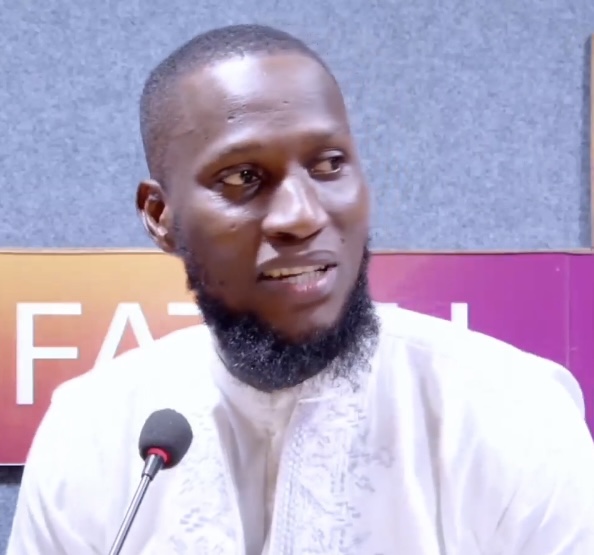
Speaking on Kerr Fatou’s Politic Kachaa show, Badjie said state lands should be prioritized for teachers, nurses, security personnel, and other ordinary Gambians rather than ministers, lawmakers, judges, and other highly paid officials.
Badjie made the remarks while explaining why he declined a plot of state land offered to National Assembly members.
He described Gambians as “very kind,” saying citizens elect public officials, pay their salaries, provide them with official vehicles, and, in some cases, still allocate them valuable state land.
Badjie said the practice of allocating land to people because of the public offices they hold has persisted for years, extending to presidents, vice presidents, ministers, chief justices, and other senior officials.
Instead of giving plots to lawmakers, Badjie proposed that the government develop residential housing for National Assembly members to use during their tenure, particularly those representing constituencies outside the Greater Banjul Area. Such an arrangement, he said, could reduce travel burdens while allowing the properties to remain public assets.
“Gambians are their own problem,” Badjie said. “Teachers, nurses, security officers, and ordinary Gambians who receive low salaries are not given state reserve lands, but elected officials who receive huge salaries that they can use to buy land on their own are still allocated state lands.”
He also questioned the government’s priorities, noting that several ministries and public institutions continue to operate from rented properties while state land is being allocated to individual officials.
Badjie, who has expressed an intention to seek the presidency in the December election, said that if elected, his administration would seek to reclaim many state lands allocated to individuals on the basis of the public positions they held.
He argued that state reserve lands should be protected as public assets and, where allocated to individuals, should primarily benefit teachers, security personnel, and other low-income Gambians who cannot easily afford land on the private market.
“Gambians should put a stop to this and face the reality,” he said.
Comments are closed.