

Economist Ousman Gajigo Warns of Agricultural Decline as Gambia Trails ECOWAS in Rice Production

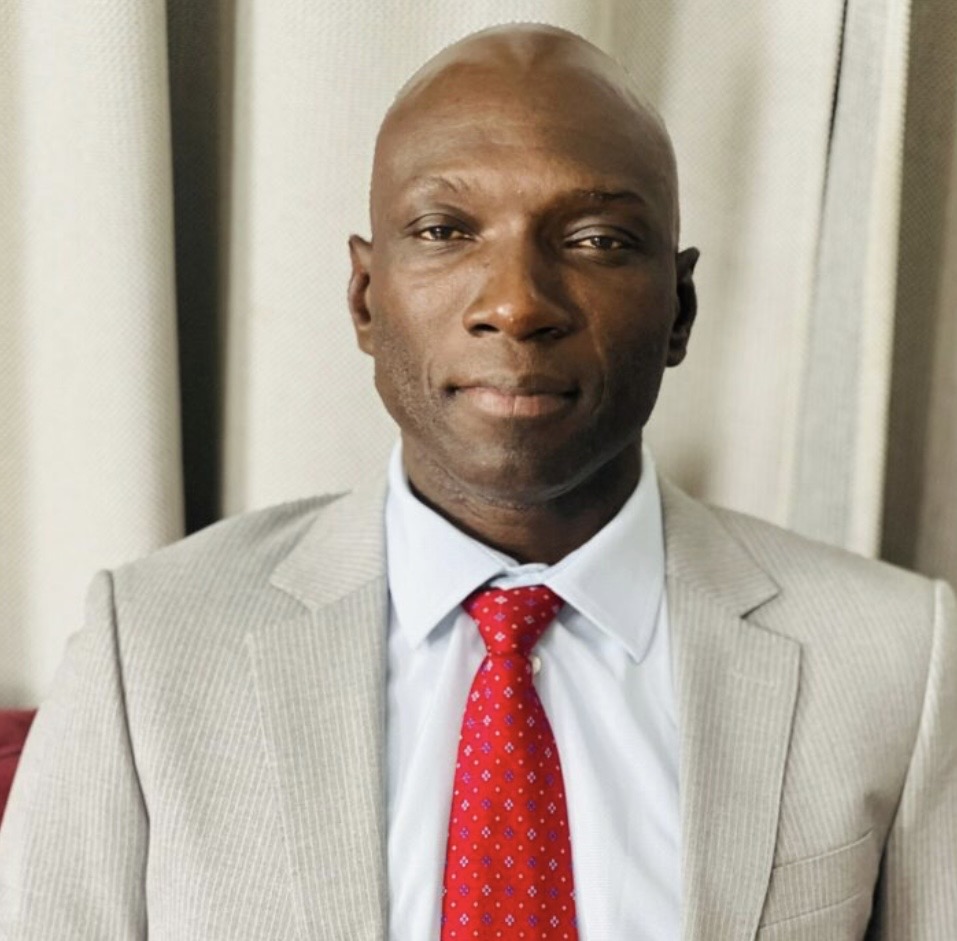
By Makutu Manneh
Economist and politician Ousman Gajigo has expressed concern over what he described as a decline in The Gambia’s agricultural sector, stating that the country currently records the lowest rice productivity among member states of the Economic Community of West African States (ECOWAS).
Speaking during an interview on Coffee Time with Peter Gomez, Gajigo said that while neighboring countries such as Senegal and Mali have made significant strides toward achieving staple food self-sufficiency, The Gambia has experienced setbacks despite having comparable levels of rice productivity with Senegal in the 1990s.
According to Gajigo, The Gambia was once among the more productive rice-growing countries in the region but has since fallen behind.
Citing data from the Food and Agriculture Organization (FAO), which he said is sourced from The Gambia’s Ministry of Agriculture, Gajigo noted that the country’s rice yields remain significantly below regional averages.
“So, if you go to FAO’s tab and you look at the average productivity of rice over the past few years, per hectare, we get about one tonne. The sub-regional average is over two tonnes. Senegal’s average is over four tonnes. So we have regressed backwards. There are things we could be doing. We all know what the constraints are,” he said.
Gajigo argued that the challenges facing the agricultural sector are neither new nor difficult to identify. He pointed out that the Ministry of Agriculture has repeatedly highlighted obstacles such as the high cost of land development, but questioned whether sufficient action has been taken to address them.
He further maintained that solutions to many of the country’s agricultural and energy challenges are already known, stressing that the primary challenge lies in implementation and political commitment.
“Progress is difficult when a leader lacks a basic understanding of the problems and believes any explanation presented to him,” he stated.
His remarks come amid ongoing discussions about food security, agricultural productivity, and economic development in The Gambia, where increasing domestic food production remains a key national objective.
Comments are closed.