


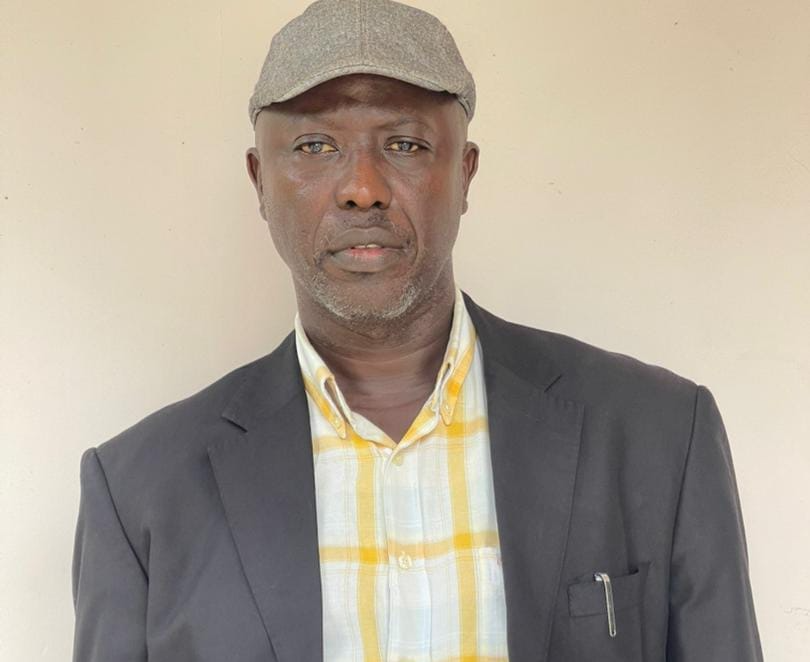
By Fatou Sillah
Assan Martin, spokesperson for Coalition 2026, has said that no political party can assume it has permanent ownership of the Gambian electorate, arguing that election outcomes are ultimately determined by voters’ choices rather than by a party’s past electoral performance or political history.
Speaking in an interview on the For the People by the People program, Martin said political parties should avoid taking voter loyalty for granted, noting that electoral support can shift from one election to another.
“I may not agree with President Barrow on many things, but I agree with him that nobody owns the voters. Who voted for you in the last election may not vote for you in the next election. Where you think you were last election, you might not be there. Elections are critical; nobody owns the trend in the field,” Martin said.
Martin also defended the Coalition 2026 process, describing it as an effort to unite political parties with varying levels of experience, organizational strength, and electoral history behind a common objective.
He argued that newly registered political parties should not be discounted simply because they lack the longevity of more established parties, saying their participation remains an important part of the coalition-building process.
“Half a loaf is better than none. We know the exercise is going to be challenging. There are parties in that room that are newly registered, and you cannot compare them with parties that have been here for 20 years or 15 years. We know those dynamics. It is a complex issue, but you have to do it with optimism and hope,” he said.
Addressing speculation that the United Democratic Party (UDP) would be unwilling to support another party’s presidential candidate, Martin questioned the logic of that assertion, arguing that a party confident of securing victory on its own would have little reason to participate in coalition negotiations.
He maintained that no political party can presume electoral success and reiterated that the outcome of the 2026 presidential election will ultimately depend on the decisions made by Gambian voters at the ballot box rather than on assumptions of political dominance.
His remarks come as opposition parties continue negotiations aimed at forging a united front ahead of the December 2026 presidential election, with discussions focused on building consensus despite differences in political size, history, and influence.
Comments are closed.