


By Makutu Manneh
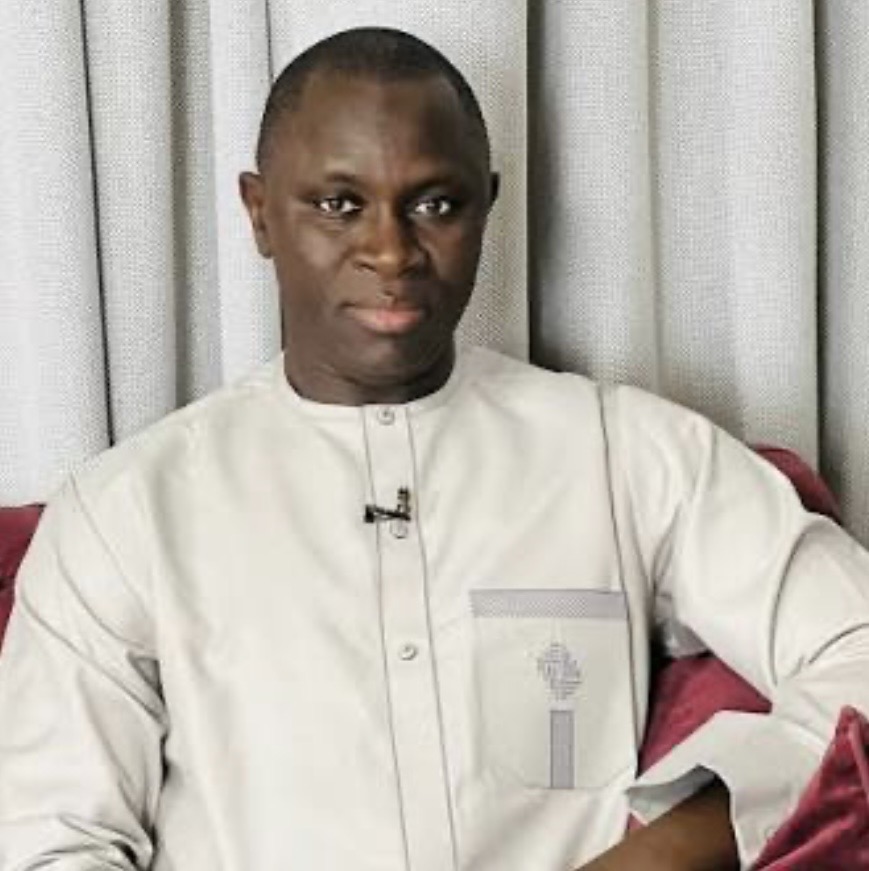
Ahmad Gitteh, a member of the ruling National People’s Party and special adviser to the minister of Telecommunications and Digital Economy, has expressed skepticism that opposition parties will form a coalition ahead of the December 5 presidential election, citing what he described as an entrenched leadership impasse among key political figures.
Speaking on “The Brunch,” aired by Kerr Fatou, Mr. Gitteh said his assessment of the opposition landscape suggests that Ousainu Darboe, leader of the country’s largest opposition party, the United Democratic Party, would be unlikely to join any coalition that he does not lead.
“I am not saying he is bad in doing that,” Mr. Gitteh said. “He has very valid reasons because he was able to build the strongest and biggest party, and 99. 999 percent of his followers are in agreement with him, so as long as he is there, they will either lead or go alone.”
But Mr. Gitteh suggested that other Gambians might resist a coalition led by Mr. Darboe, citing tensions that emerged among partners in the opposition alliance that brought down longtime ruler Yahya Jammeh during the 2016 Gambian presidential election. Mr. Darboe was later released from prison during that political transition.
He argued that a coalition excluding the United Democratic Party would have little credibility, describing such a prospect as unrealistic and predicting that the opposition would likely remain divided.
Mr. Gitteh also questioned whether the Unite Movement for Change would join any alliance that did not include its leader, Talib Ahmed Bensouda, as the coalition’s presidential candidate.
“I am very sure if Talib is not on the ballot box, there will not be a coalition that UMC is going to be part of,” he said. “And if Darboe is not leading, forget about a coalition.”
Turning to Mama Kandeh, leader of the Gambia Democratic Congress, Mr. Gitteh said the politician had lost considerable support to the ruling party and was increasingly aware of the difficulty of mounting a successful presidential bid.
“Except for a miracle, his chances of becoming president are slim,” he said.
Mr. Gitteh also commented on the stance of the People’s Democratic Organisation for Independence and Socialism, suggesting the party would resist aligning under another party’s leadership, though he acknowledged its commitment to democratic processes.
“From analysis, no matter how small you think they are, they believe in the process,” he said.
Looking back at the country’s recent political history, Mr. Gitteh noted that opposition parties made several attempts to unite against former president Yahya Jammeh between 1996 and 2016.
Those efforts came during a period when, he said, conditions in the country—including human rights, economic opportunity, and freedoms of association and expression — were widely viewed as more constrained. Even then, he said, political differences prevented a lasting opposition alliance.
Comments are closed.