

NDP Leader Urges Government to Prioritize Healthcare, Ease Congestion at EFSTH

By Makutu Manneh
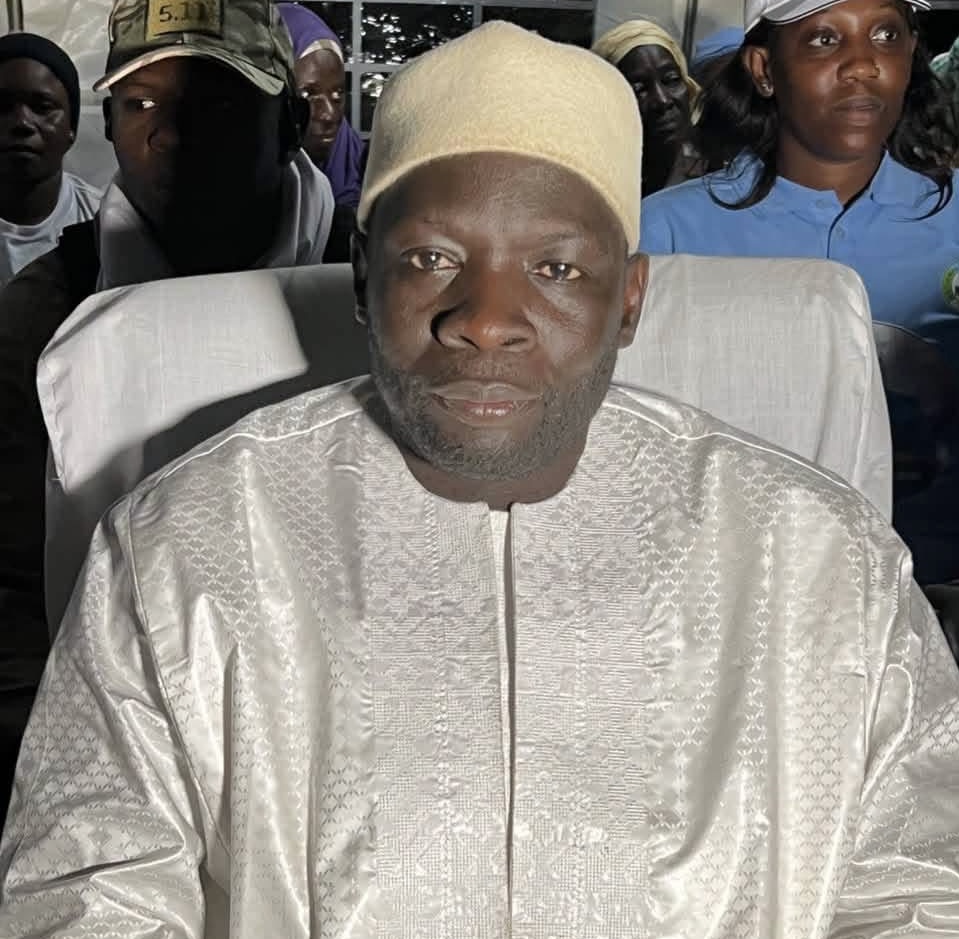
Kebba Madi Bojang, leader of the National Democratic Party (NDP), has called on the government to prioritize the healthcare sector, citing the difficulties faced by Gambians seeking medical treatment and the growing pressure on public health facilities.
Speaking at an NDP political meeting in Bundung, Mr. Bojang expressed concern over the state of the country’s healthcare system and urged President Adama Barrow to take a more active role in addressing the challenges confronting patients and medical personnel.
He suggested that the president visit the Edward Francis Small Teaching Hospital (EFSTH) at least twice a month to gain firsthand knowledge of conditions at the country’s main referral hospital.
Mr. Bojang also questioned why the government had not taken steps to ease congestion at EFSTH despite announcing the completion of a new hospital in Farato.
He argued that if the Farato facility was indeed completed and operational, some patients should be transferred there to reduce overcrowding and improve access to hospital beds.
The NDP leader maintained that improving healthcare delivery should be among the government’s foremost responsibilities, particularly given the number of Gambians struggling with various illnesses.
Turning to the formation of his party, Mr. Bojang said the NDP was established to hold the government accountable for its unfulfilled commitments while contributing to national development.
“The NDP was established to remind the government of its unfulfilled responsibilities and to contribute to national development,” he said.
He explained that the decision to establish a separate political party followed frustrations over what he described as the government’s unwillingness to listen to concerns raised by members who previously belonged to the same political organization.
According to Mr. Bojang, those concerns were repeatedly overlooked, prompting them to form the NDP as an independent political platform through which they could advocate for the needs of Gambians and demand greater government accountability.
Comments are closed.