

National Assembly Ratifies Marrakesh Treaty to Expand Access to Published Works for Persons With Disabilities

By Fatou Sillah
The National Assembly on Monday ratified the Marrakesh Treaty, an international agreement intended to expand access to books and other published materials for people who are blind, visually impaired, or otherwise unable to read standard print.
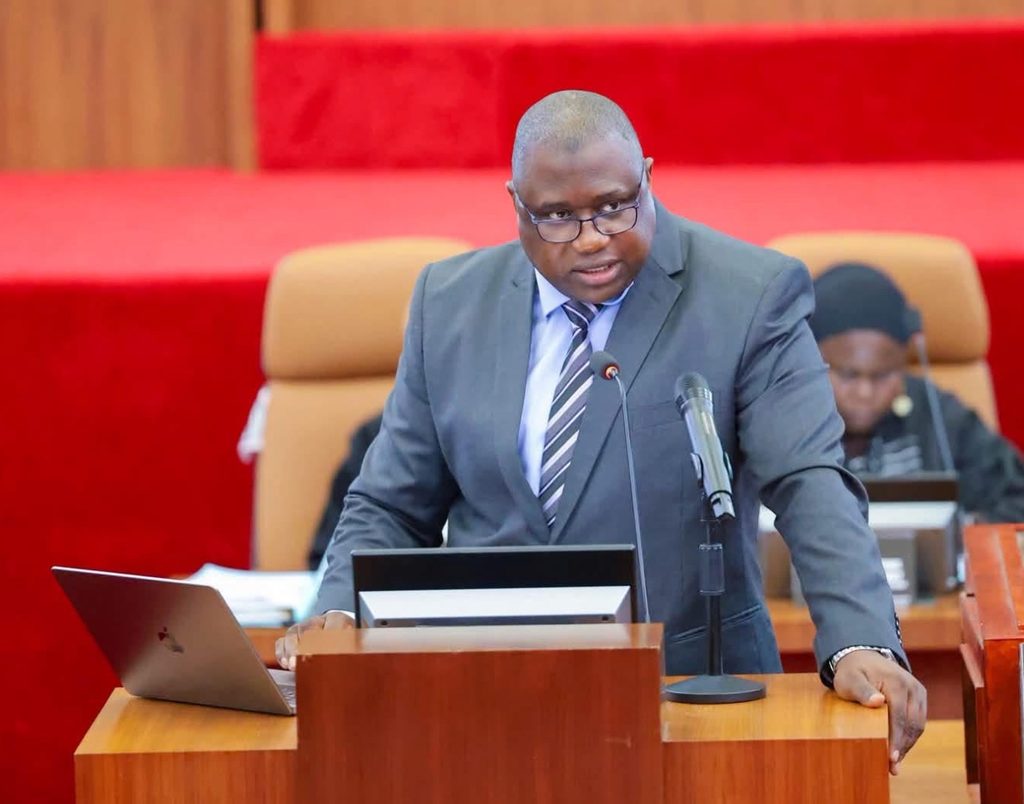
Attorney General and Minister of Justice Dawda A. Jallow introduced the motion before lawmakers, saying the treaty would help remove barriers that have long limited access to education, information, and cultural materials for persons with disabilities.
Under the treaty, published works can be reproduced and exchanged in accessible formats, including Braille, large print, and audio, making reading materials more readily available to people with print disabilities.
“This treaty is an important instrument for equality, inclusion, and social justice,” Mr. Jallow told the Assembly. “It facilitates the production and exchange of accessible format copies of published works, including Braille, large print, and audio formats, for persons who are blind, visually impaired, or otherwise print disabled.”
Mr. Jallow said the treaty’s ratification reflects The Gambia’s broader commitment to protecting the rights of persons with disabilities and ensuring they have greater opportunities to participate in education and other aspects of national life.
“It is consistent with The Gambia’s commitment to human dignity, equal opportunity, and the protection of the rights of persons with disabilities,” he said.
The Marrakesh Treaty seeks to address what has often been described as a global shortage of books and other copyrighted works available in formats accessible to people with print disabilities. By allowing certain copyright exceptions, the agreement makes it easier for authorized organizations to produce and share accessible copies, including across national borders.
The government said ratifying the treaty would strengthen efforts to promote inclusion and give persons with disabilities greater access to educational, informational, and cultural resources.
Comments are closed.