

UDP Youth President Questions Barrow’s Ivory Coast Electricity Pledge, Warns of Gambia’s Growing Debt Burden

By Seedy Jobe
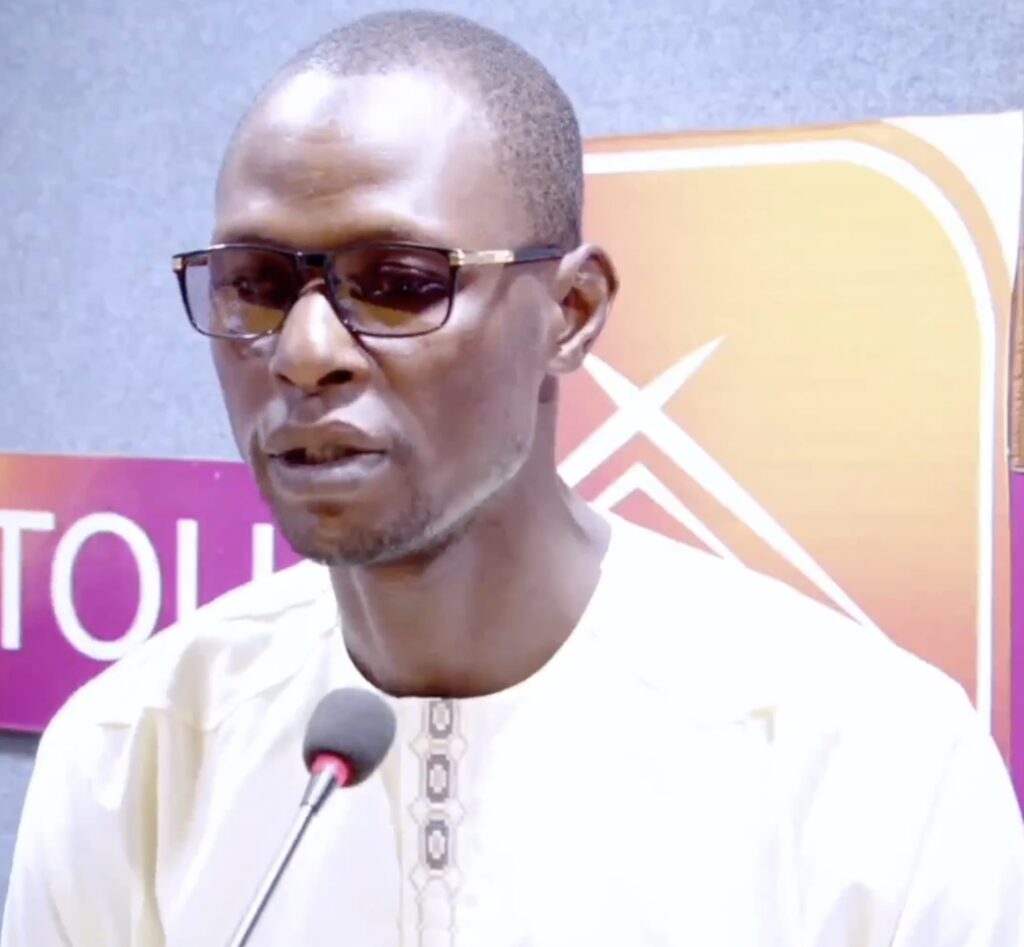
The national youth president of the United Democratic Party, Hagi Suwaneh, has questioned President Adama Barrow’s pledge to secure electricity from Ivory Coast next month, arguing that the plan points to a deeper problem: The Gambia’s growing debt burden.
“Our country is drowning,” Mr. Suwaneh said in an audio message shared with Kerr Fatou on Tuesday as he reacted to a report in The Standard newspaper that President Barrow had promised additional electricity supplies next month.
Mr. Suwaneh questioned both the timing of the announcement, months before the December presidential election, and why the government was looking as far as Ivory Coast for electricity when several countries are geographically closer to The Gambia.
He alleged that outstanding electricity debts had limited the government’s options with other suppliers, forcing it to seek power elsewhere. He did not provide evidence to support the allegation.
For Mr. Suwaneh, however, the electricity problem is part of a wider concern about government borrowing.
He pointed to The Gambia’s obligations to bilateral and multilateral creditors, including China, the World Bank, the African Development Bank, the Arab Bank for Economic Development in Africa, and the Islamic Development Bank, warning that excessive borrowing could eventually put strategic national assets at risk.
Mr. Suwaneh cited the Port of Banjul and the Senegambia Bridge as examples, questioning long-term arrangements involving private and international partners. He argued that such agreements reflected the financial pressure facing the government.
He also raised questions about toll collections on major infrastructure projects and whether the public receives sufficient information about how the revenue is managed.
Turning again to the electricity crisis, Mr. Suwaneh challenged the government’s explanation for the recent outages. While NAWEC has attributed disruptions partly to technical problems, he argued that President Barrow’s effort to obtain additional electricity from Ivory Coast indicated that insufficient supply remained a central issue.
The expansion of electricity infrastructure, he said, means little to communities if poles and transmission lines are installed but households are still unable to receive reliable power.
Mr. Suwaneh also sought to draw a contrast between President Barrow and UDP leader Ousainu Darboe, arguing that Mr. Darboe had helped secure grant financing for major infrastructure projects during his time in government without placing the same burden on public finances.
His remarks add to an intensifying political debate over electricity, public borrowing, and the management of major national infrastructure as The Gambia approaches its December 2026 presidential election.
Comments are closed.