


By Fatou Sillah
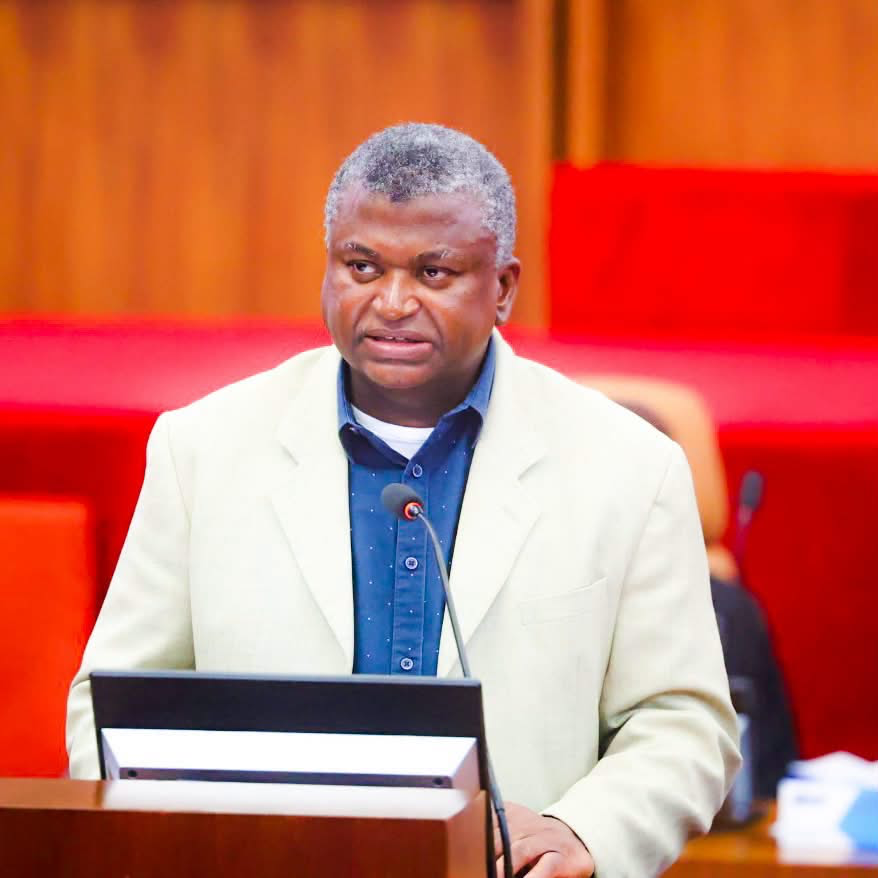
The Minister of Health, Dr. Ahmadou Lamin Samateh, has called for greater compassion and an end to discrimination against people living with HIV, stressing that everyone affected by the virus deserves dignity, medical care, and support, regardless of how they contracted it.
Speaking during a question-and-answer session at the National Assembly on Wednesday, the minister urged Gambians to approach HIV as a public health issue rather than a basis for judgment or discrimination.
“It is important to treat HIV and AIDS issues as sicknesses and illnesses that affect human beings, just like other sicknesses and illnesses affect human beings,” he told lawmakers.
The minister made the remarks while responding to questions about HIV prevalence, treatment coverage, and the challenges facing people living with the virus in The Gambia.
According to figures he presented, an estimated 25,000 people are living with HIV in the country, with prevalence among adults standing at approximately 1.3 percent.
He said more than two-thirds of people living with HIV are aware of their status, while approximately 70 percent of those diagnosed are receiving antiretroviral therapy.
However, just over half of those living with the virus have achieved viral suppression, a critical treatment outcome that reduces the risk of HIV-related illness and prevents sexual transmission when viral levels remain undetectable.
The figures highlight continuing gaps in HIV testing, treatment access, and sustained care, despite efforts to strengthen the country’s response to the epidemic.
The minister outlined several initiatives undertaken by the Ministry of Health to improve access to HIV prevention, testing, and treatment services.
These include expanding differentiated service delivery, an approach designed to make HIV care more accessible and responsive to patients’ needs, to 77 health facilities nationwide.
He said the ministry had also introduced community-based medication refills and HIV self-testing services to reduce barriers to care and encourage more people to learn their status.
As part of efforts to strengthen community engagement, the ministry trained 60 peer educators and lay counsellors in 2026 to support patients in adhering to treatment, promote HIV testing, and combat stigma.
The minister emphasized that addressing discrimination remains an important part of the national HIV response, urging the public to recognize that people living with the virus deserve the same respect, understanding, and access to healthcare as those affected by other medical conditions.
Comments are closed.