

Nyang Njie Criticizes Transactional Politics, Calls for Minimum Presidential Qualifications

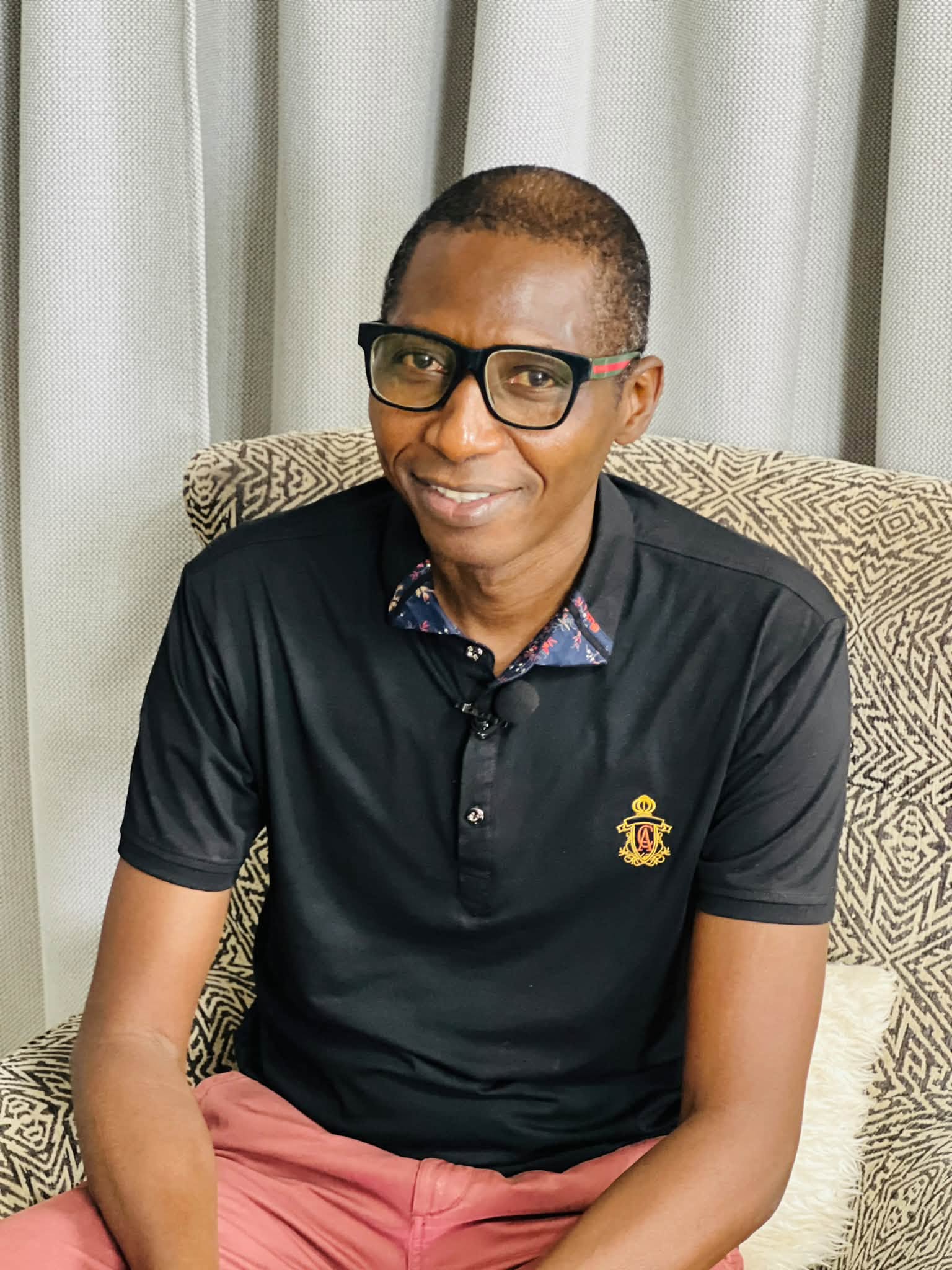
By Makutu Manneh
Economist and social commentator Nyang Njie has raised concerns about what he describes as the increasingly transactional nature of Gambian politics, calling for the introduction of minimum qualification standards for individuals seeking the presidency.
Speaking on Kerr Fatou’s Race for State House program, Mr. Njie argued that the country’s political landscape has become dominated by individuals who approach politics as a business venture, investing time and resources with the expectation of personal or political rewards.
He described the emergence of a new class of political actors who operate more like entrepreneurs than public servants, treating political participation as an investment rather than a commitment to national development.
According to Mr. Njie, politics has increasingly become a means to an end, with some individuals establishing political movements primarily to gain legitimacy and position themselves for political opportunities.
He also criticized what he described as a growing belief that public visibility or popularity automatically qualifies an individual for positions of national leadership.
Mr. Njie maintained that political leadership should be determined by the quality of ideas, competence, and the ability to address the country’s challenges, rather than personal ambition or public recognition.
He argued that meaningful political competition should center on competing policy proposals, allowing voters to assess candidates based on their ideas and capacity to deliver results.
“While all citizens are equal before the law, they are not equal in competence, integrity, and qualifications. For the country to achieve its best outcomes, there is a need to seek leaders with the requisite skills and toolkit, guided by law so it wouldn’t be viewed as discrimination,” he said.
Mr. Njie consequently proposed establishing legally defined minimum eligibility criteria for presidential candidates to ensure that those seeking the country’s highest office possess the necessary qualifications and capabilities.
He argued that candidates who fail to meet such standards should not regard their exclusion as discrimination, provided the requirements are established through a fair and transparent legal framework.
Rather, he said, failure to qualify would simply indicate that an aspirant had not satisfied the basic requirements for consideration.
His remarks underscore a broader debate about the qualifications, competence, and accountability of political leaders in The Gambia as the country approaches the December 5 presidential election.
Comments are closed.