


By Seedy Jobe
The Gambia continues to be classified as a source, transit, and destination country for human trafficking, with sexual exploitation remaining the most prevalent form of trafficking within the country, officials from the National Agency Against Trafficking in Persons (NAATIP) said on Thursday.
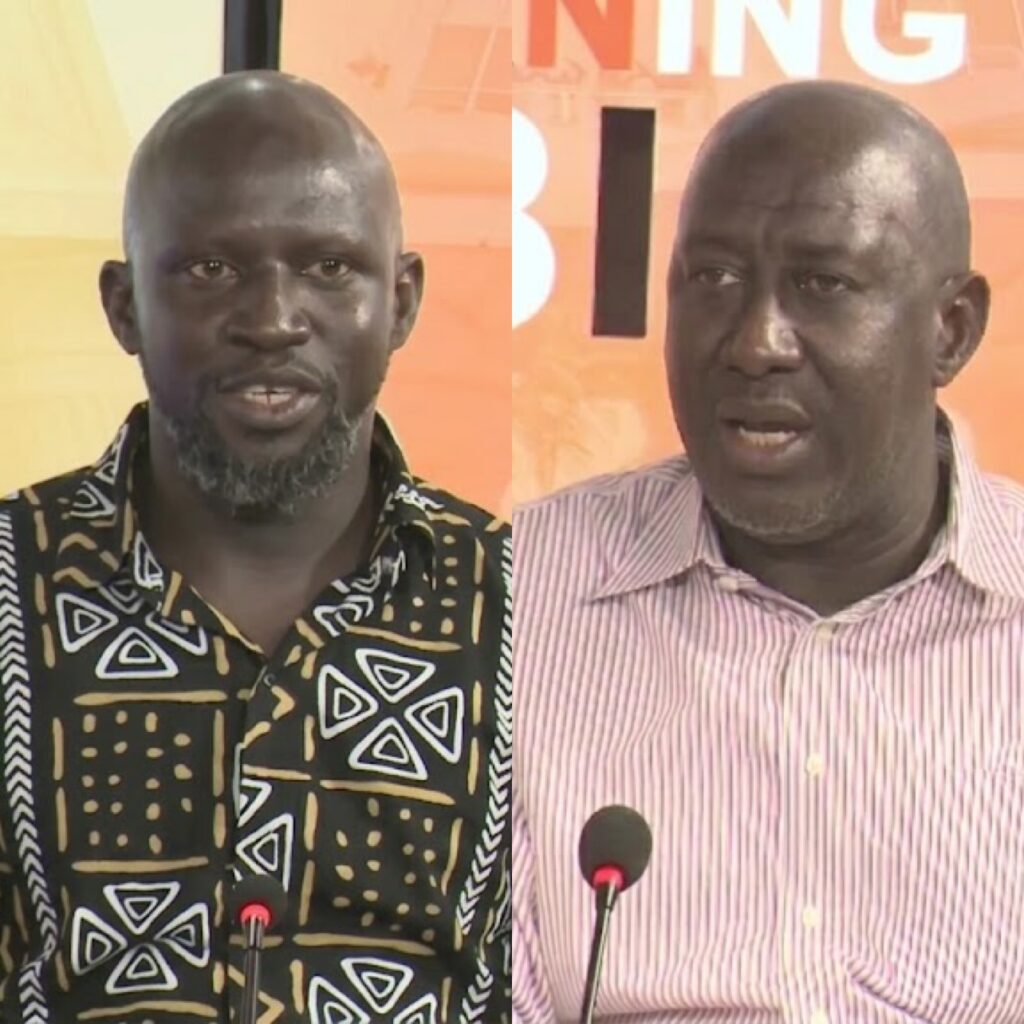
Speaking on GRTS, the agency’s Acting Head of Investigations, Mr. Faal, described human trafficking as a grave violation of fundamental human rights that strips victims of their freedom, dignity, and autonomy.
“Human trafficking is a form of degrading someone. It’s a form of inhuman treatment against someone. It’s like enslaving someone,” he said. “You don’t have a right. You don’t have a choice. You don’t make decisions. You are nobody in human trafficking.”
Mr. Faal said traffickers typically prey on vulnerable individuals by promising lucrative employment opportunities either abroad or within The Gambia. He explained that trafficking generally involves three key elements: the recruitment, transportation, or harboring of a person; the use of deception, coercion, or other forms of manipulation; and the ultimate purpose of exploitation.
According to him, victims are often removed from their communities because they become more vulnerable in unfamiliar environments where they lack family or social support.
He said NAATIP identifies potential victims through a screening process that assesses indicators of trafficking during preliminary investigations. The agency examines whether an individual was recruited, transported, deceived, harbored, coerced, and ultimately exploited before determining whether a trafficking offense has occurred.
While sexual exploitation accounts for most trafficking cases reported within The Gambia, Mr. Faal said labor exploitation is the most common form affecting Gambians trafficked to other countries.
Mr. Momodou Drammeh, a Programme Officer at NAATIP, attributed the persistence of trafficking to socioeconomic hardship, limited public awareness of anti-trafficking laws, and financial vulnerability.
He said the agency’s work is guided by what it describes as the “Four Ps” strategy: Prevention, Protection, Partnership, and Prosecution.
Under its prevention efforts, NAATIP conducts public awareness campaigns, community dialogue sessions, and training for law enforcement officers and civil society organizations to improve the identification of trafficking victims at border crossings and within local communities.
On victim protection, Mr. Drammeh said the agency provides rescued survivors with safe accommodation, medical care, and other support services to enable them to recover and cooperate with investigations without intimidation or interference from traffickers.
He urged members of the public, particularly young people seeking employment, to carefully verify job offers before accepting them.
“Not every job is legitimate,” he said. “Confirm its legitimacy. Make inquiries. Call 1123 to verify whether the job being offered to you is authentic.”
Mr. Faal acknowledged that prosecuting trafficking cases remains challenging because investigations depend heavily on the cooperation and protection of victims. He said some complainants later withdraw their cases due to pressure from family members, intimidation by trafficking networks or the reluctance of witnesses to testify.
Despite those challenges, he said approximately five trafficking convictions have been secured to date, with those convicted currently serving prison sentences. He explained that NAATIP conducts investigations before forwarding case files to the Ministry of Justice for legal review and prosecution.
Comments are closed.