


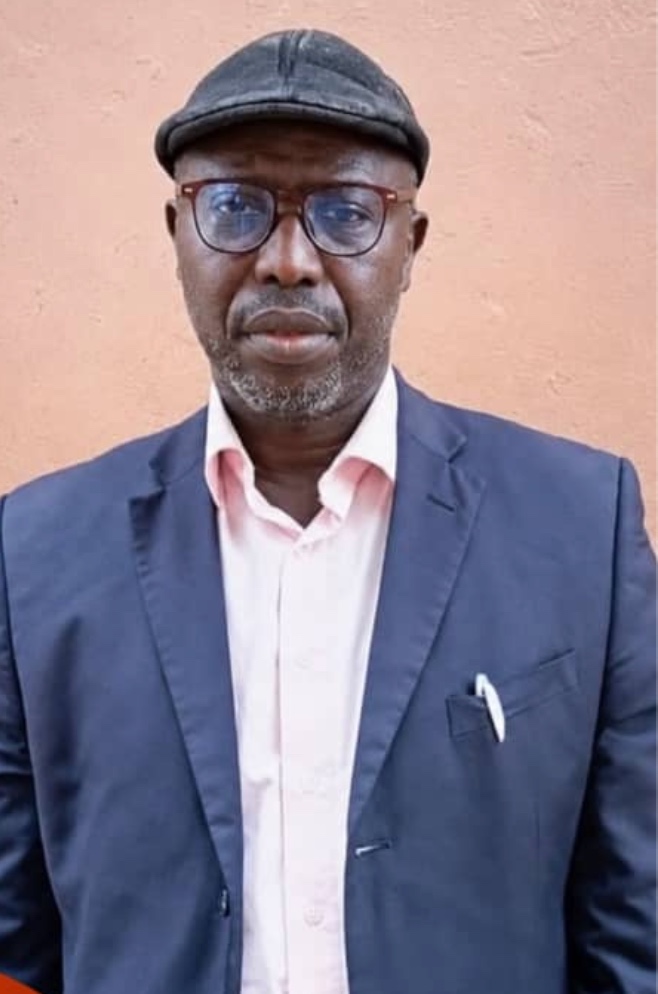
By Makutu Manneh
The opposition alliance preparing to challenge President Adama Barrow in the December presidential election has agreed to adopt a candidate-led model, with all participating political parties—including the country’s largest opposition party, the United Democratic Party (UDP)—endorsing a single presidential candidate to represent the coalition, according to its spokesperson.
Speaking on Kerr Fatou’s Politic Kachaa program, Assan Martin, spokesperson for Opposition Coalition 2026, said the decision followed internal consultations and a vote among coalition members. He said the alliance, formerly known as the Coalition Mediation Taskforce Committee (CMC), has also formally adopted the name “Opposition Coalition 2026.”
Under the arrangement, Mr. Martin said, the coalition’s eventual presidential candidate will contest the election on behalf of the alliance rather than any individual political party and, if elected, will govern based on a jointly agreed coalition agenda.
“I think it is a compromise on the side of UDP for them to accept a candidate-led, which is on the table,” Mr. Martin said during the interview. “It is a deal, and it is settled,” he said.
The candidate-led approach represents one of the coalition’s most significant decisions as opposition parties seek to unite behind a single challenger in an effort to unseat President Barrow. Coalition leaders have repeatedly argued that a unified opposition presents the strongest chance of defeating the incumbent, drawing comparisons with the alliance that defeated former President Yahya Jammeh in the 2016 election.
Mr. Martin said the coalition remained focused on what he described as a national rescue mission, adding that its members believe the same spirit of cooperation that brought President Barrow to power in 2016 can now be used to remove him from office through the ballot box.
He also addressed questions about the coalition’s earlier indication that its presidential candidate would be announced on July 11. That timeline, he said, has been extended by approximately three to four weeks to allow additional consultations among member parties and movements.
Mr. Martin said coalition leaders were determined to avoid repeating shortcomings experienced during the formation of the 2016 opposition alliance, arguing that the current political landscape is more complex and requires broader consensus-building.
“People need to be patient,” he said. “In 2016, the parties were not even up to 10, but now we have more parties and movements, and discussions have to take place. We have to listen to the ideas of everyone.”
According to Mr. Martin, the expansion of the coalition beyond traditional political parties to include additional political movements has made the consultation process more extensive, requiring coalition leaders to accommodate a wider range of views before reaching a final decision on their presidential nominee.
The coalition has not announced a new date for unveiling its candidate, but Mr. Martin indicated that discussions among stakeholders remain ongoing.
Comments are closed.