

NAWEC MD Links Lower Electricity Tariffs to Curbing Illegal Connections, Reaffirms October Deadline

By Makutu Manneh
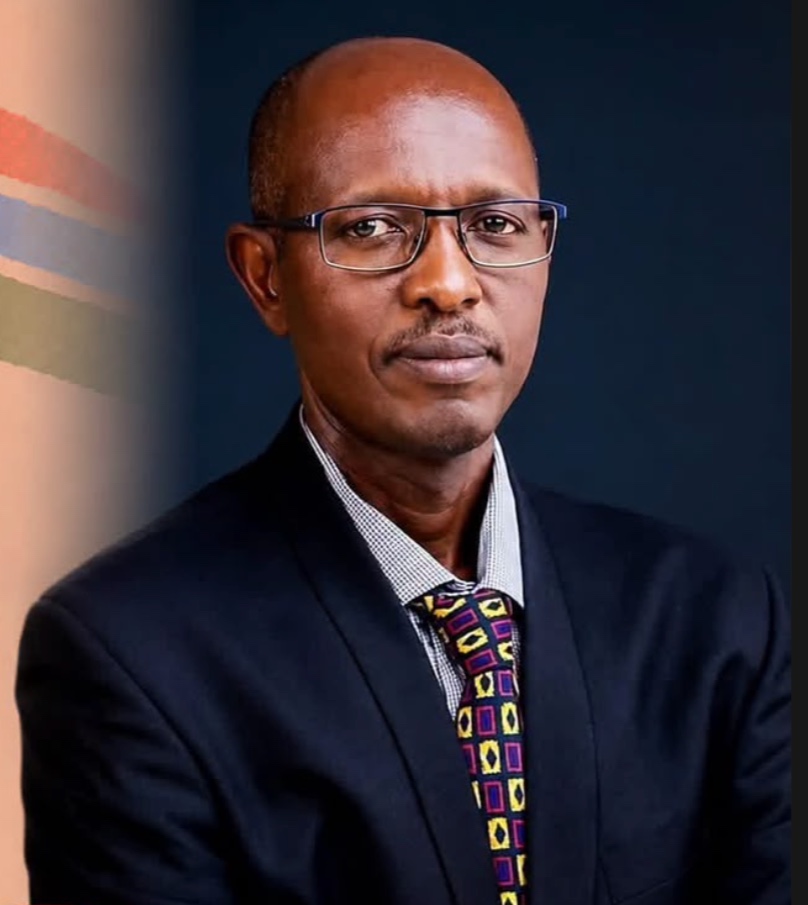
Gallo Saidy, the managing director of the National Water and Electricity Company, said curbing illegal electricity connections could help pave the way for lower tariffs, as he reaffirmed the government’s goal of achieving a more stable power supply by the end of October.
Mr. Saidy said illegal connections remained widespread and were depriving NAWEC of revenue, with the financial burden ultimately falling on paying customers. Reducing those losses, he said, could create room for lower electricity prices.
“If we can close those gaps, then we can reduce the tariff,” he said, arguing that illegal connections benefit a relatively small number of people at the expense of the broader population.
Mr. Saidy also pointed to renewable energy investment as central to NAWEC’s longer-term strategy for improving electricity supply and reducing the country’s dependence on imported power.
He said a 50-megawatt solar project with battery storage had already been tendered and evaluated and was at an advanced stage. Once completed, he said, the project was expected to add significantly to the country’s electricity supply.
Plans are also underway to secure an additional 100 megawatts of generation capacity, he said.
“Within the next three to four years, we want to be net exporters of energy,” Mr. Saidy said. “The interest in Gambia for investment is very high compared to other regions.”
He said the country’s relatively small size and growing energy needs had attracted considerable interest from investors.
Mr. Saidy said the Nigerian businessman Aliko Dangote had also expressed serious interest in investing in a 250-megawatt energy project in The Gambia. He described the interest as an encouraging sign for the future of the country’s power sector.
The comments come as NAWEC faces heightened public scrutiny over persistent electricity shortages that have disrupted households and businesses and fueled protests in parts of the country.
Asked how much longer Gambians should expect the disruptions to continue, and whether the end-of-October timeline previously announced by President Adama Barrow remained achievable, Mr. Saidy said NAWEC was standing by the target.
He said the goal was not merely to increase available power but to ensure that the electricity supply was sufficient and stable. Under current arrangements, he said, the country has adequate power available, barring technical failures.
Mr. Saidy said NAWEC was also seeking to diversify its sources of imported electricity to make the system less vulnerable to disruptions.
In addition to existing arrangements for electricity from Senegal and Guinea, he said, efforts were underway to secure another source of power through Abidjan. That arrangement, which he said could be finalized within four to six weeks, would give The Gambia three external sources from which to draw electricity.
Having multiple sources, he said, would provide alternatives when technical problems or other disruptions affect one supplier and reduce the likelihood of a recurrence of the current shortages.
Mr. Saidy appealed for patience as NAWEC works to stabilize the system and urged Gambians to avoid violence during periods of frustration over electricity shortages.
“Let the Gambians support the staff of NAWEC and work with us,” he said. “Engage directly with the institution for its services rather than relying on individuals who claim to provide NAWEC services on its behalf.”
Comments are closed.