

Bensouda: Gambia’s Democracy Depends on Institutions, Not Individuals

By Seedy Jobe
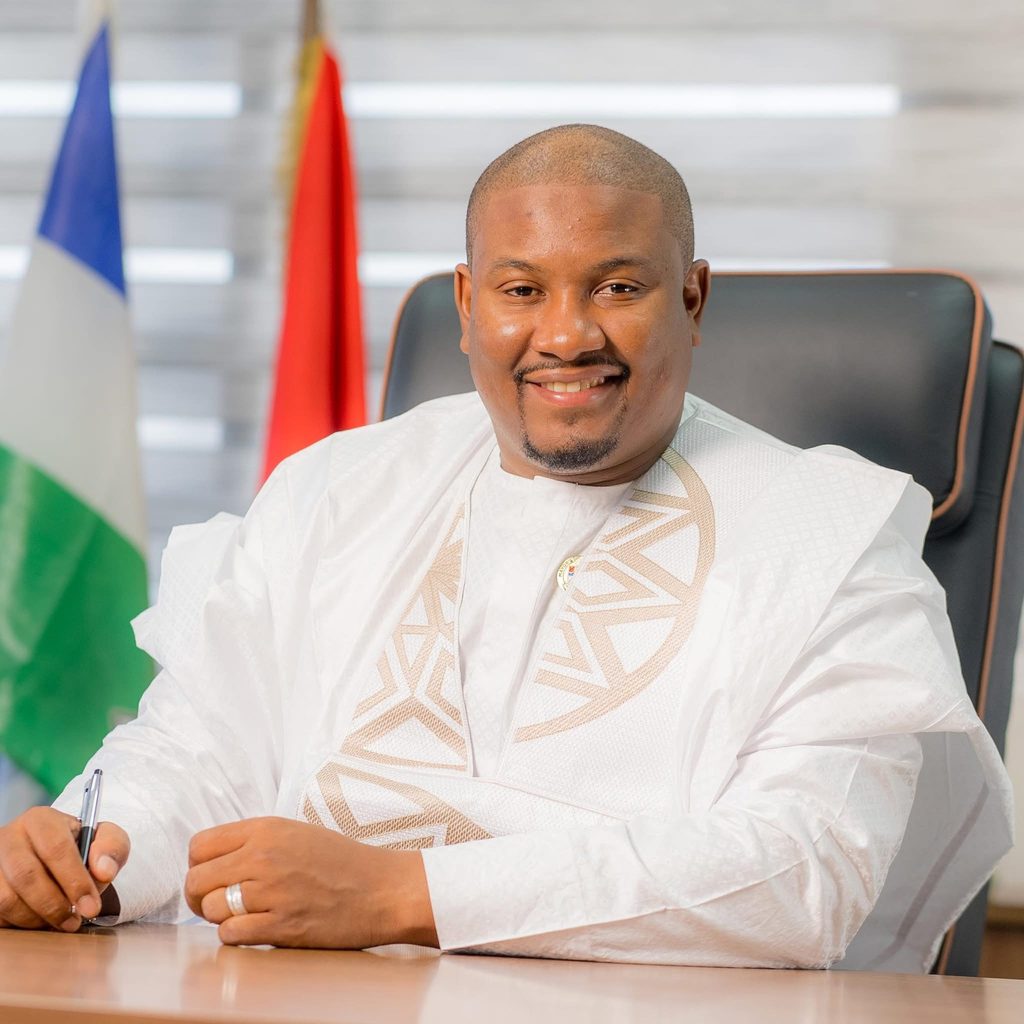
Talib Ahmed Bensouda, the mayor of Kanifing Municipal Council and leader of the opposition UNITE party, has called for sweeping legal reforms to insulate The Gambia’s key accountability institutions from political interference, arguing that durable democratic systems, not powerful individuals, are what sustain a functioning state.
In an interview with THD TV, Mr. Bensouda said the country’s democratic future hinged on building institutions capable of outlasting the officials who lead them.
“I speak of institutions and not people because people die, people get old, people get sick, people change,” he said. “But institutions remain robust, especially if they are built on sound systems.”
Mr. Bensouda described institutions as, in essence, a codified way of doing things, a form of organization guided by ethics, protocol, law, and culture. He argued that the relative strength of Western democracies stemmed less from individual leadership than from this deeper culture of institutional discipline.
By contrast, he said, The Gambia’s own institutions remain fragile. He reserved particular criticism for the National Assembly, which he said had largely ceded its lawmaking role to the executive branch and rarely initiated legislation on its own.
He pointed to the steep sponsorship fees required to introduce a private member’s bill as one structural obstacle undermining lawmakers’ constitutional responsibility to legislate.
Mr. Bensouda argued that none of the three traditional branches of government, the executive, the legislature, and the judiciary, could function properly without independent oversight bodies operating alongside them. He named the National Audit Office, the Independent Electoral Commission, the Central Bank, and the police as institutions whose independence was essential to accountable governance.
“These institutions should be protected from personal interference and political interference,” he said. “They should exercise their duty without fear or favor.” He added that safeguarding those bodies was ultimately the responsibility of the executive itself, even, he said, protecting them from the executive’s own potential overreach.
To that end, Mr. Bensouda proposed legislation granting heads of accountability institutions semi-autonomous or fully autonomous status. Under his proposal, the president would continue to nominate candidates for top posts, but Parliament would be required to ratify those nominations through public hearings.
Such hearings, he said, would allow citizens to scrutinize the backgrounds, ethics, and character of nominees for sensitive positions, including the auditor general, the Central Bank governor, the inspector general of police, and the chairman of the electoral commission.
Central to his proposal, Mr. Bensouda said, is security of tenure for those officials. “We are of the view that these institutions should be given autonomy,” he said. “And it starts with them not being able to be removed by the president.”
Without depoliticizing the country’s accountability institutions, he warned, The Gambia would continue to face governance failures regardless of which party or leader held power.
Comments are closed.