

Sidia Jatta Calls for Systemic Change, Questions Persistent Hardship 61 Years After Independence

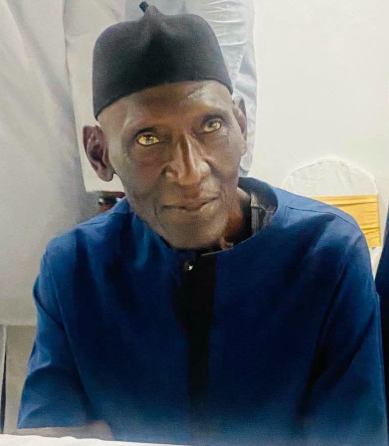
By Makutu Manneh
Veteran Gambian politician Sidia Jatta has called on voters to use the December presidential election to reflect on the country’s political direction, questioning why economic hardship remains widespread more than six decades after independence despite successive changes in government.
Speaking during Team Gambia’s ongoing nationwide tour, Jatta, one of the initiative’s founding figures, said the election should be more than a contest over who occupies the presidency. Instead, he urged Gambians to examine the system of governance that has failed to deliver meaningful improvements in their living conditions.
Jatta noted that calls for President Adama Barrow’s departure echo demands previously made against former Presidents Sir Dawda Kairaba Jawara and Yahya Jammeh. Yet, he argued, the removal of those leaders did little to address the underlying problems confronting ordinary Gambians.
“Some are now calling for President Adama Barrow to step down; similar calls were made against former Presidents Sir Dawda Kairaba Jawara and Yahya Jammeh. What changed after those leaders stepped down? Hardship has persisted,” he said.
He questioned why a country that has enjoyed independence for 61 years continues to grapple with economic difficulties, arguing that political freedom should translate into tangible improvements in people’s lives.
According to Jatta, Gambians possess the resources and intellectual capacity to build a more prosperous society, but those resources have not been managed in ways that adequately serve the public.
To illustrate his concerns about accountability, Jatta drew an analogy involving a shop owner who entrusts a fully stocked business to another person without demanding an account of its operations.
He explained that whenever the owner visits, the shopkeeper entertains him with food and music, leaving him satisfied without examining the business’s finances. Eventually, the owner discovers that the shop has been emptied.
“Who are you going to blame? Yourself,” Jatta said, suggesting that citizens must also hold their elected representatives accountable for managing national resources.
Turning to public finances, Jatta noted that the government oversees an annual budget exceeding D50 billion, funded largely through public revenue, including taxes paid by citizens who are themselves struggling to provide for their families.
He argued that these resources should ultimately improve the welfare of the population, questioning whether ordinary taxpayers adequately understand how public funds are allocated and spent.
Jatta maintained that replacing President Barrow without addressing the country’s governance structures would risk repeating the disappointments of previous political transitions.
He said Team Gambia Grand Coalition’s nationwide engagement is intended to encourage citizens to articulate the kind of country they want for themselves and future generations, rather than simply rallying behind another change of leadership.
Among the priorities he identified were accessible healthcare, quality education and an agricultural sector that allows farmers to earn a decent living from their work.
Jatta urged voters to recognize the power of the ballot, describing the December election as an opportunity to determine whether the country’s resources would be managed for the collective good or squandered through poor leadership.
He questioned why decades of electoral participation have failed to produce the improvements in living standards that Gambians have long sought.
The veteran politician also cautioned against electing leaders whose primary interest is acquiring presidential power rather than advancing national development.
He warned that entrusting leadership to individuals motivated by personal privilege or the desire to suppress citizens would only perpetuate the country’s difficulties.
For Jatta, the central issue is not simply who governs The Gambia, but how the country is governed.
He argued that the country must move away from a system in which a privileged few benefit from national resources while the majority endure hardship, toward one that distributes the benefits of those resources more broadly.
Comments are closed.