

Bensouda Unveils Coalition 2026 Manifesto, Pledges Reform and Governance Without Revenge
By Seedy Jobe
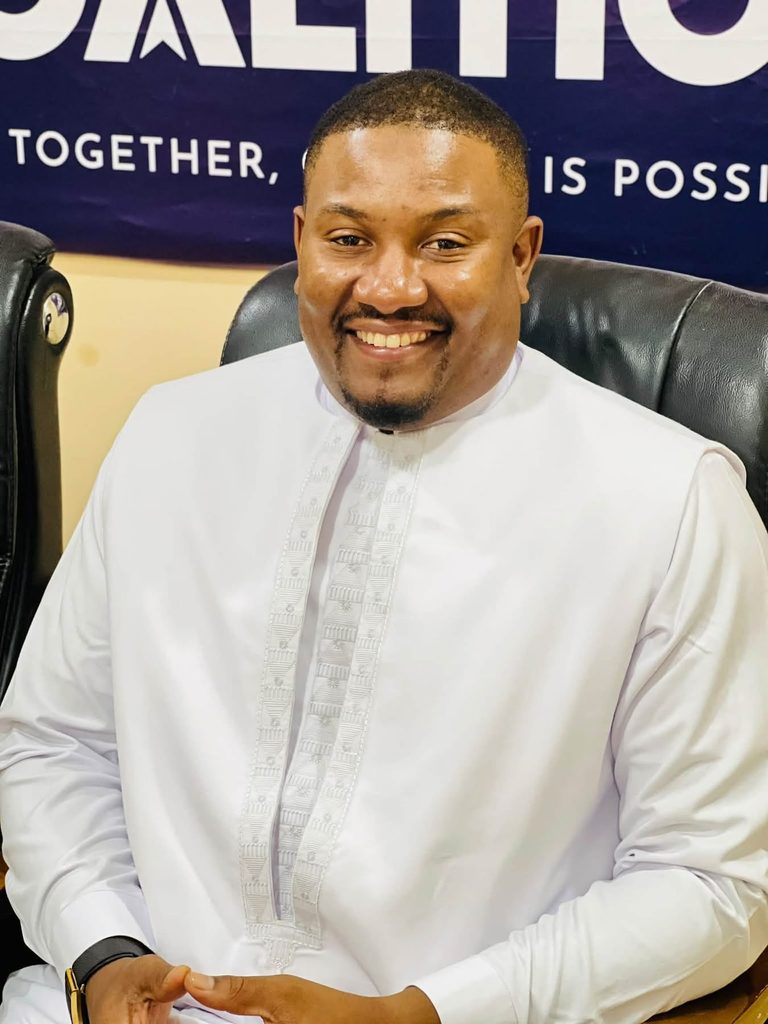
Coalition 2026 presidential candidate, Mayor Talib Ahmed Bensouda, has pledged to rebuild The Gambia, restore public trust in government, and lead an administration free from political retribution if elected president in the December presidential election.
Speaking at the official launch of Coalition 2026’s manifesto at the Atlantic Hotel in Banjul, Mayor Bensouda outlined an ambitious reform agenda centered on accountable governance, investment in human capital, and economic prosperity.
He described the manifesto as more than a political document, calling it a national program aimed at restoring the promise of democracy and shaping the kind of country Gambians would leave for future generations.
The coalition’s vision, he said, rests on three pillars: trust, people, and prosperity. It sets out a 10-year ambition to place The Gambia on a credible path toward middle-income status while addressing poverty in all its forms.
On governance, Bensouda promised an administration that would account for every Dalasi of public funds, strengthen transparency in public procurement, enforce asset declaration requirements, and ensure that audit findings result in concrete action.
He also pledged to initiate a constitutional review culminating in a national referendum within two years, introduce an enforceable two-term presidential limit, and strengthen decentralization by ensuring that local councils receive government subventions on time.
Addressing national unity, Bensouda proposed legislation criminalizing tribalism, xenophobia, and deliberate ethnic incitement, while maintaining safeguards for freedom of expression. He insisted that no Gambian should face discrimination based on ethnicity or identity.
“We will campaign with conviction but without hatred. We will compete on ideas and solutions, not intimidation or ethnicity. And we will govern without revenge because our duty will be to serve all Gambians, especially those who do not vote for us,” he said.
Turning to the country’s electricity challenges, Bensouda pledged to address persistent power outages, arguing that unreliable electricity should no longer disrupt education, businesses, and everyday life.
He also outlined plans to improve school readiness, strengthen teaching standards, expand technical and vocational education, and establish a student loan scheme for underprivileged students. His broader ambition, he said, is to position The Gambia as a regional hub for education and skills development.
In the health sector, Bensouda promised to increase public health expenditure to 15 percent of the national budget within three years, strengthen the National Health Insurance Scheme, and expand the use of electronic medical records.
He further pledged to expand economic opportunities for women and young people through skills development, access to financing, and business support. His administration, he said, would also seek to ensure that women occupy at least 40 percent of positions on public boards and commissions within three years.
Addressing Gambians living abroad, Bensouda promised policies to protect remittances through the Central Bank, alongside the establishment of diaspora investment opportunities and a bond program.
He also committed to introducing arrangements that would allow Gambians in the diaspora to vote before the 2031 presidential election.
“So in my election of 2031, the diasporans will vote for President Talib Ahmed Bensouda,” he said.
Bensouda described the manifesto as a public contract with measurable commitments and implementation timelines.
Under the proposed timetable, the coalition would prioritize institutional assessments, electricity affordability and government transparency during its first 12 months in office. Constitutional reforms would follow within two years, while major commitments in health care and productive investment would be pursued within three years.
Concluding his address, Bensouda called for national unity and collective responsibility in addressing the country’s challenges.
“Let us build a nation where we can trust our leaders. Let us build a nation where we invest in our people. Let us build a nation where we create prosperity for generations to come. Together change is possible,” he said.
Comments are closed.