

NPP’s Essa Dampha Acknowledges Electricity Crisis but Says Protests Will Not Cost Barrow Election

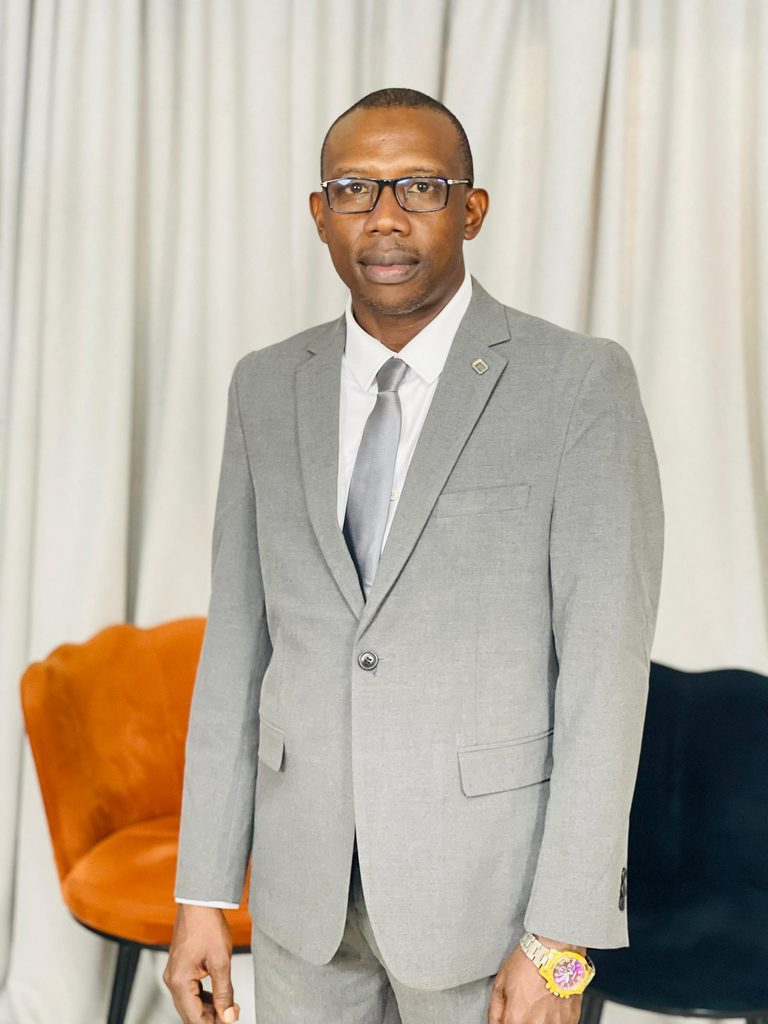
By Seedy Jobe
Essa Dampha, a member of the governing National People’s Party, has acknowledged public frustration over electricity shortages but insisted that President Adama Barrow remains popular enough to win the December presidential election despite recent protests.
Appearing on Kerr Fatou’s weekly public affairs program, The Grand Bantaba, Mr. Dampha was questioned about three issues fueling public discontent—persistent power outages, the cost of living, and unemployment—and what shortcomings the NPP was prepared to acknowledge with the election less than three months away.
On electricity, Mr. Dampha conceded that the situation had fallen short of expectations.
“There is no perfect system,” he said. “No system is 100 percent perfect. Every system has its ups and downs.”
Mr. Dampha said the president himself had acknowledged the problems with the electricity supply.
“Right now, you see people sitting without electricity. Is that the mandate? That is not the mandate,” he said. “But the question now is, what are you doing about it to make sure it stops? Those are the plans the president has spoken about.”
On unemployment, Mr. Dampha argued that the problem predated the NPP government and was not unique to The Gambia, describing joblessness as a common source of public frustration across Africa and elsewhere.
Pressed on why voters should continue to trust the government when many of the same concerns had been raised in previous years, Mr. Dampha pointed to what he described as Mr. Barrow’s record of delivering on his promises.
“He said he cannot promise what he cannot deliver,” Mr. Dampha said, referring to a recent statement by the president. “‘Any promise I give you, I will fulfill.’”
Mr. Dampha cited expanded access to electricity and improvements to the country’s road network as examples of progress under the Barrow administration. He also argued that government investments in rural communities were helping reduce migration to urban areas.
“Today, rural-urban migration is reducing,” he said. “Why? Because what you seek in urban areas you can now find in your village, in rural areas.”
Asked whether the NPP’s confidence ahead of the election was based on the government’s record or the strength of the party’s political organization, Mr. Dampha defended the president’s popularity and dismissed suggestions that the recent protests indicated a broader rejection of his government.
He compared the demonstrations to disagreements within a family, arguing that citizens could be frustrated with the government while still supporting the president.
Mr. Dampha also defended the right of citizens to protest, while urging demonstrators not to destroy property, saying the cost of repairing damaged public infrastructure would ultimately be borne by taxpayers.
“But I can swear to you that if you put all those who went out to that demonstration in one location, place Barrow’s ballot box and that of the opposition, Barrow will win,” he said.
Mr. Dampha pointed to the 2021 presidential election, when Mr. Barrow won a second term despite predictions from some critics that he would lose. He attributed the NPP’s electoral strength to its grassroots organization and asserted that support for the president had continued to grow.
His comments come as the Barrow administration faces heightened scrutiny over electricity shortages that have prompted demonstrations in Banjul and other communities, adding pressure on the government as the country approaches the presidential election.
Comments are closed.