


By Fatou Sillah
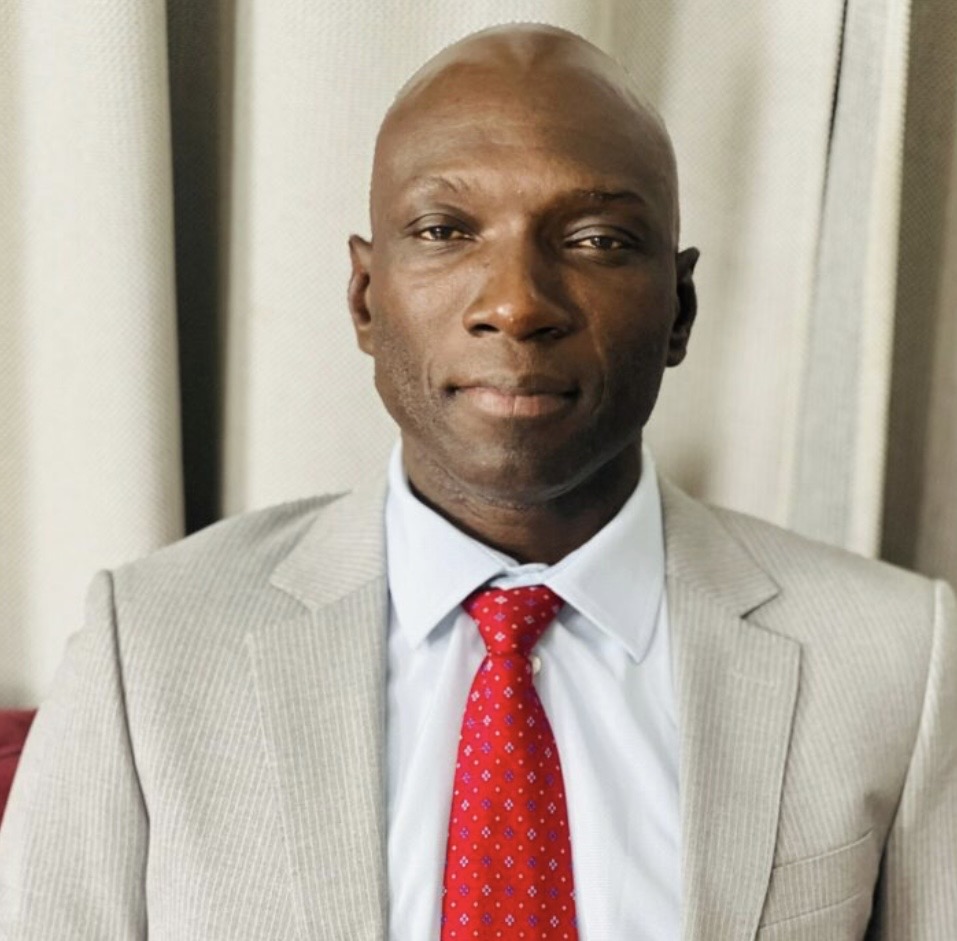
Dr. Ousman Gajigo, an economist and leader of the Patriotic Progressive Alliance (PPA) movement, has questioned why ECOMIG forces remain in The Gambia nearly a decade after their deployment, saying their prolonged presence raises questions about the progress of the country’s security sector reform.
Speaking during a discussion on ECOMIG and security sector reform on Eye Africa TV, Dr. Gajigo said the regional force was initially deployed to provide security and stability following The Gambia’s political transition and to give the government time to reform the country’s security institutions.
But that arrangement, he said, was never intended to be permanent. Over time, he argued, the government should have focused on building national security institutions capable of taking over those responsibilities.
“But then for it to last for 10 years, it means the main reason for why they are here has been completely forgotten, which I believe should be security sector reform,” he said. “That should have been the main thing.”
Dr. Gajigo said ECOMIG’s continued presence raises a broader question about what has actually changed in The Gambia’s security sector over the past decade. He pointed to fundamental issues such as the military’s size, structure, organization, and budget.
Much of what the public has seen of the reform process, he said, has involved consultations, validation exercises, and billboards promoting security sector reform, rather than a clear restructuring of the country’s security institutions.
A serious reform process, he argued, should have begun with a basic question: What does security mean in the Gambian context, and whose security should the country’s institutions be designed to protect?
For ordinary Gambians, Dr. Gajigo said, security means being able to go about their daily lives, run businesses, and participate in social and economic activities without fearing for their safety or property. Those concerns, he added, may not always be the same as the security priorities of those in government.
He also questioned whether the reform process had sufficiently examined The Gambia’s broader security needs, including protecting its territorial integrity, maintaining domestic law and order, combating drug trafficking and transnational terrorism, and securing the country’s territorial waters.
Maritime security, he said, offers one example of the kind of debate that should have taken place. He questioned whether The Gambia might be better served by a coast guard focused primarily on maritime law enforcement rather than relying solely on a traditional navy.
Those questions, Dr. Gajigo argued, should have been at the center of any serious attempt to reshape the country’s security institutions.
“These questions never took place, so if you want to do a reform without asking all of these questions, you’re not going to go anywhere,” he said.
Comments are closed.