


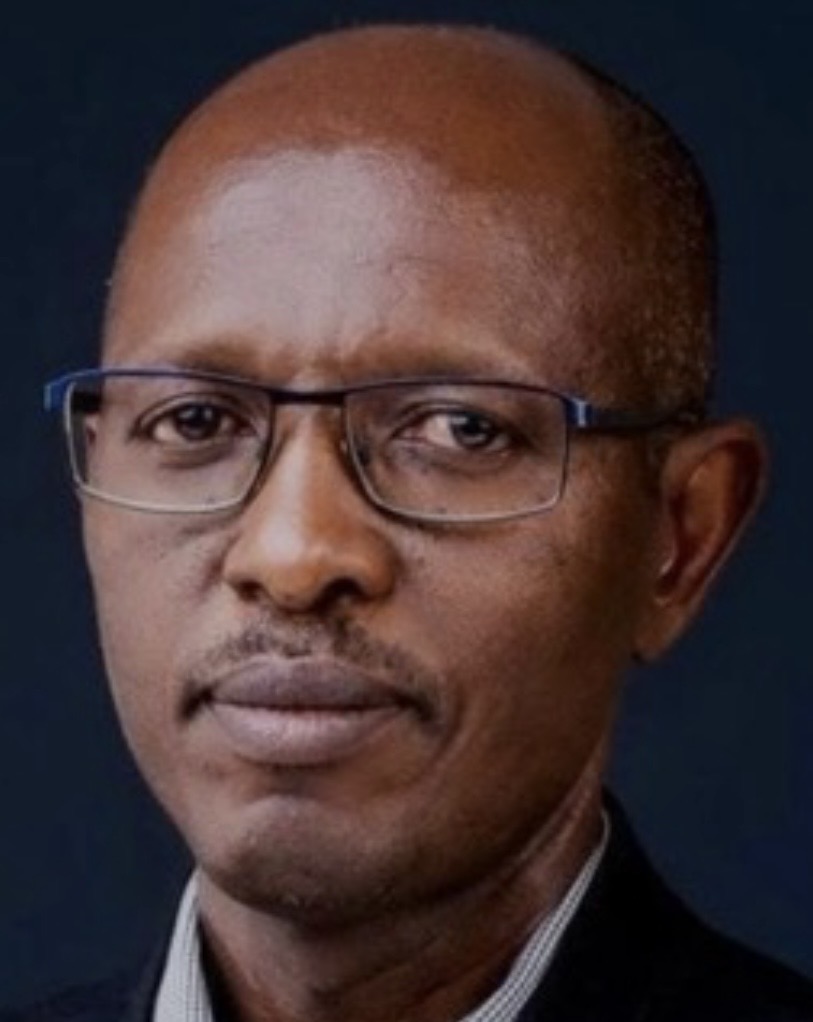
By Fatou Sillah
The Managing Director of the National Water and Electricity Company (NAWEC), Galo Saidy, has accused opposition political parties of politicizing the ongoing power outages in The Gambia.
Speaking in an interview with West Coast Radio, Saidy was responding to recent statements by the United Democratic Party (UDP) and the United Movement for Change (UMC) regarding the country’s persistent electricity shortages.
Saidy emphasized that the outages are not intentional and would not be in the government’s interest, particularly at the present time.
“I can tell you even the government would not want something like this to happen at this time, so it is not something that we want to happen. Things just happen, and we are working on it to fix it. If people want to politicize it, then I mean politics is just politics; it is just noise,” he stated.
He further argued that the complexity of the situation goes beyond political control, suggesting that even opposition figures would face similar challenges if they were in charge.
“But even if they are sitting here today, they would not be able to resolve this problem because it’s beyond their control,” he said.
The NAWEC head also accused some politicians of using the crisis to advance political narratives and shift blame.
“If you are on the opposition side and a problem like this happens, you take advantage of it to shift it to your side. This is not desirable, I mean, but to politicize it and try to make it like the world is collapsing,” he said.
On efforts to address the outages, Saidy noted that NAWEC is relying on a combination of local power generation and renewable energy sources to stabilize supply while broader regional challenges are being addressed.
“So we are generating locally from our own generators, plus we also have the solar plants, so those are the ones that are actually helping us,” he explained.
Addressing public concerns over communication, Saidy acknowledged that NAWEC needs to improve how it informs citizens about power disruptions. He admitted that relying heavily on digital platforms is insufficient and said the company is working to expand its outreach through more accessible channels such as radio and television.
Comments are closed.