


By Makutu Manneh
The Minister of Lands, Regional Government and Religious Affairs, Hamat Bah, has expressed concern over prolonged delays in the resolution of cases handled by district chiefs, revealing that some matters have remained pending for as long as five years.
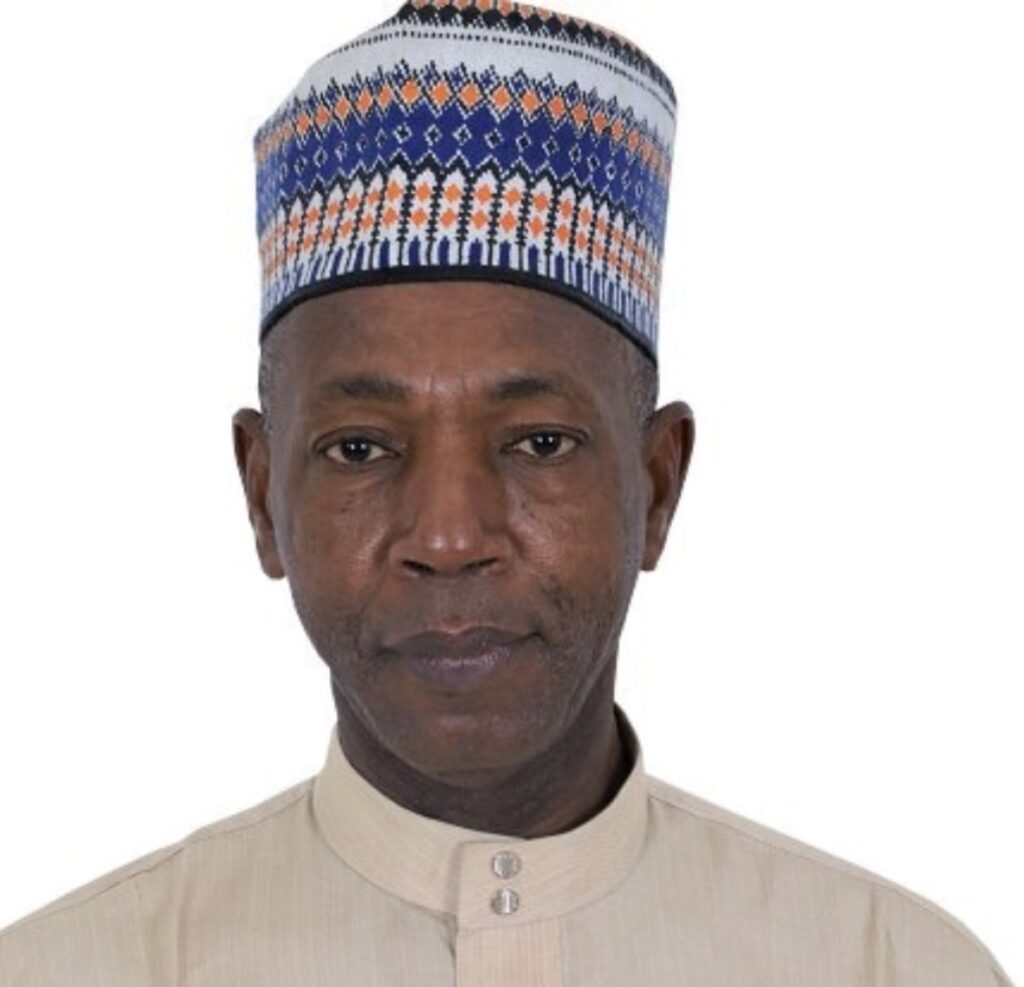
Minister Bah made the remarks on Sunday during the inauguration ceremony of Alhaji Yahya Jarjursey, Chief of Jarra West, as the new Paramount Chief of The Gambia.
Addressing chiefs and community leaders at the event, the minister emphasized the important judicial responsibilities entrusted to chiefs and called on them to ensure that justice is delivered fairly and promptly.
“We task the Paramount Chief and all the chiefs in this country to maintain peace and stability and to do justice to everybody while performing their judicial functions. One of your functions is judicial, so we urge you to do justice. Everybody in this country needs justice,” he said.
Minister Bah described it as unfortunate that some cases brought before chiefs have remained unresolved for three, four, and even five years, stressing that such delays undermine access to justice for citizens.
He assured chiefs of the government’s commitment to supporting them in the discharge of their responsibilities, noting that the appointment of a Paramount Chief would help advance President Adama Barrow’s vision of maintaining peace, stability, and respect for traditional governance structures.
The minister also disclosed that President Barrow has directed a review of the salaries and allowances of chiefs across the country, including those of Paramount Chiefs, with the aim of strengthening their offices and improving service delivery.
“Be rest assured that it is the President’s wish to make sure that this office is functional, effective and efficient for better service delivery to the Gambian people. Therefore, we call on all the chiefs to work together,” he added.
Alhaji Yahya Jarjursey’s inauguration marks a significant step in reinforcing traditional leadership structures, which continue to play a key role in local governance, conflict resolution, and community development across the country.
Comments are closed.