


By Seedy Jobe
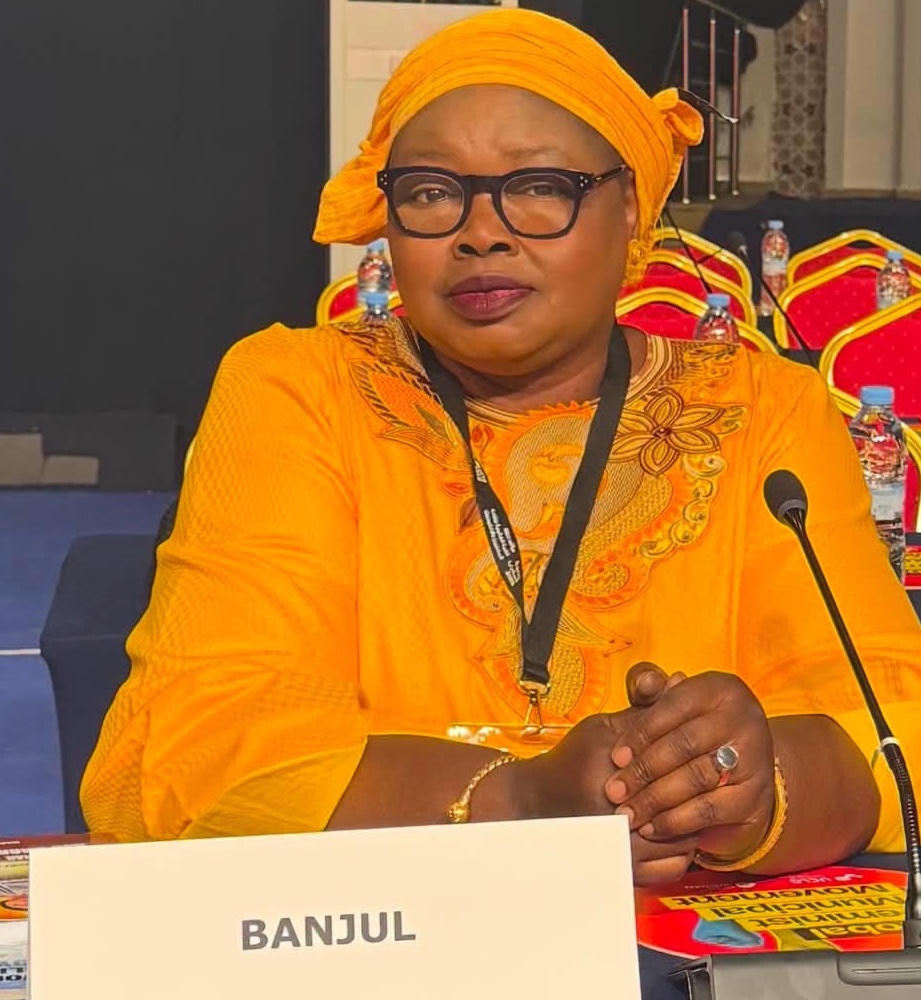
Banjul Mayor Rohey Malick Lowe on Tuesday publicly accused The Gambia’s Ministry of Local Government of failing to properly manage staff at the Banjul City Council, saying the ministry’s inaction has crippled the council’s operations and left her with little choice but to step back from day-to-day administrative battles.
In a statement posted on her official Facebook page, Ms. Lowe said she had repeatedly appealed to the ministry to regularize staffing issues at the council but had seen no meaningful response. Because the ministry oversees the council’s administrative personnel, she argued, it should also bear full responsibility for the institution’s performance.
“If the ministry’s responsibility is to handle the administration of our City Council, then they must take full responsibility for ensuring that our City Council operates efficiently and effectively. Enough is enough,” she wrote.
Ms. Lowe said the council’s elected leadership has worked to secure resources for the city but has been unable to translate those efforts into tangible improvements because of administrative obstacles.
Among the examples she cited were newly acquired streetlights intended to improve public safety and visibility, which she said could not be installed because funds had not been released. She also pointed to newly procured waste collection trucks parked at the council’s premises, saying they remain idle because there is no fuel to put them into service.
The mayor said the situation illustrates a broader pattern in which the council’s political leadership is unable to deliver services because of bottlenecks within the ministry’s administrative structure.
Ms. Lowe warned that the people most affected by the impasse would be residents of Banjul, who continue to experience the consequences of delays in the delivery of municipal services.
She also accused unnamed officials of using politics to undermine the mayor’s office, noting that both she and the councilors were elected by the people of Banjul to govern the city. She said she was weary of pursuing the council’s chief executive officer over matters involving staff whom, she argued, the official does not have the authority to manage.
While acknowledging that land issues remain important to the city’s development, Ms. Lowe said effective governance is fundamental to the council’s ability to function. She maintained that the challenges facing the Banjul City Council are not the result of a lack of effort by its elected leadership but rather the ministry’s failure or unwillingness to effectively administer council staff.
“It is a sad time to be a Banjulian,” she said.
Comments are closed.