

Jobarteh Calls Banjul-Led Night Protests Over Power Outages Unprecedented

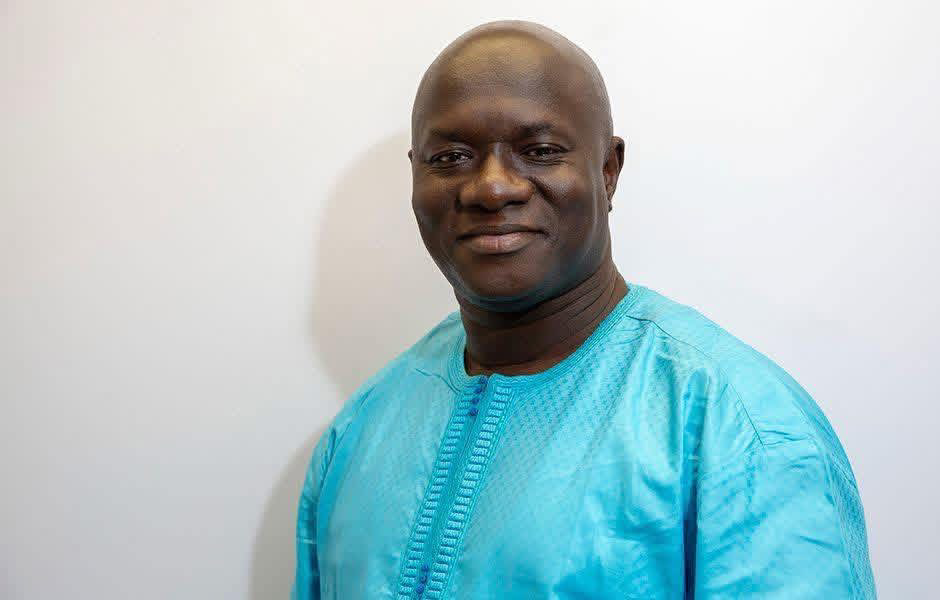
By Makutu Manneh
The nighttime protests that erupted in Banjul and spread across parts of the Greater Banjul Area mark an unprecedented display of public frustration over The Gambia’s worsening electricity crisis, human rights activist Madi Jobarteh said.
Speaking on Kerr Fatou’s Politic Kachaa program, Mr. Jobarteh said the demonstrations were particularly significant because they began in the capital, which he described as historically important in shaping broader political and social movements.
“When action starts in the capital, it often sets the tone for the rest of the country,” he said, referring particularly to protest movements across Africa.
The Gambia has a history of public demonstrations stretching back to the era of Edward Francis Small, the labor leader and nationalist. But Mr. Jobarteh said protests unfolding at night over the failure of basic public services represented something the country had not seen before.
“The lack of water and electricity has frustrated people,” he said. “People cannot work, and hospitals are operating without power, which affects essential services.”
The demonstrations, he said, reflected growing public awareness and frustration among residents who feel they can no longer remain silent as prolonged outages disrupt businesses, households, and essential services.
Mr. Jobarteh nevertheless argued that the protests had come late, saying Gambians should have demanded reliable electricity long before the current crisis. Electricity, he said, is not merely a utility but a service that underpins access to health care, education, employment, and other basic rights.
“A country cannot develop, and there can be no peace and stability in this generation without reliable electricity,” he said.
Comments are closed.