

Cuba Marks National Culture Day in Banjul, Ambassador Highlights African Roots of Cuban Identity

By Seedy Jobe
The Cuban Embassy in The Gambia marked Cuban Culture Day on Tuesday, 20 October, with a celebration of the country’s cultural heritage and a tribute to the historical ties between Cuba and Africa.
The event, held at the Senegambia Hotel, brought together Gambian government officials, members of the diplomatic corps, and friends of Cuba. It commemorates the first public singing of the Cuban national anthem in 1868.
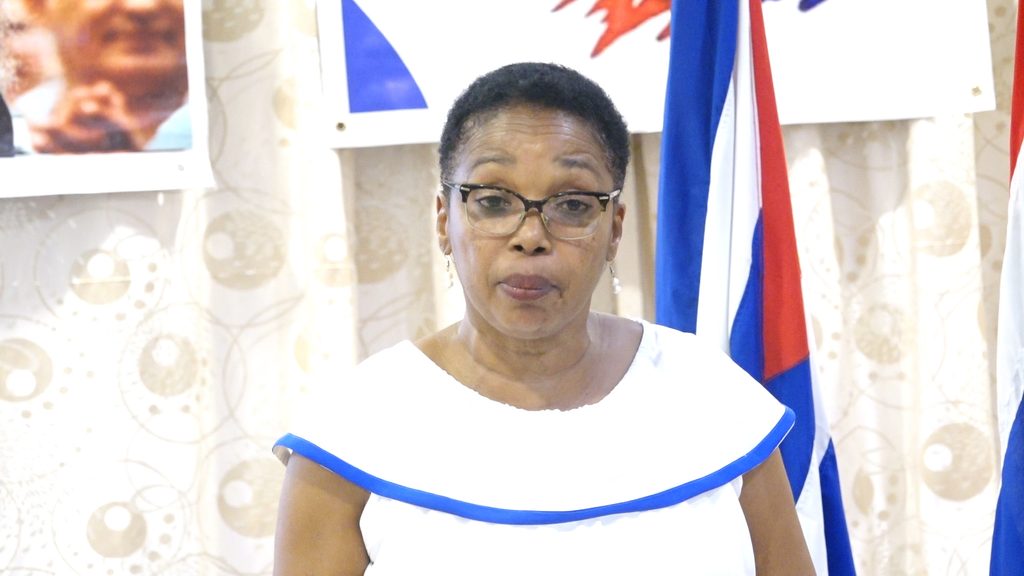
In her keynote address, Cuba’s ambassador to The Gambia, Carmelina Ramirez, described Cuban culture as a rich blend of historical influences shaped by the resilience, creativity, and struggles of its people. She said music, dance, literature, theater, and the visual arts remain central to Cuba’s national identity, fostering social cohesion and a shared sense of belonging.
She said Cubanidad, the essence of Cuban identity, goes beyond birthplace to include shared history, cultural traditions, and national consciousness.
Reflecting on the significance of 20 October, Ambassador Ramirez recalled that La Bayamesa, written by the Cuban patriot and composer Perucho Figueredo, was first sung publicly in Bayamo in 1868 and became a symbol of resistance against Spanish colonial rule. She noted that this year’s commemoration coincides with the centenary of the birth of former Cuban leader Fidel Castro, whom she credited with recognising culture as essential to national emancipation and identity.
Turning to Cuba’s relationship with Africa, the ambassador said the celebration in Banjul offered an opportunity to acknowledge the profound African influence on Cuban society. She described the ties between Cuba and The Gambia as rooted in shared history and ancestral links forged during the transatlantic slave trade, when Africans were forcibly transported to the Caribbean and contributed significantly to Cuba’s cultural identity.
Cuba’s African heritage, she said, remains evident in its music, traditions, collective identity, and spirit of resistance. She added that the bonds between the two peoples continue to be reflected in shared values of solidarity, fraternity, joy, and optimism.
“Culture is a living legacy that unites us and makes us increasingly free. It serves as a reminder that has nurtured the creativity of the Cuban people, acting as a resource for resistance, continuity, and the defence of our national sovereignty,” she said.
Ambassador Ramirez also said that, despite daily economic hardships, Cubans have remained joyful, hospitable, and strongly connected to their cultural roots, adding that Cuban identity runs in their blood wherever they are.
Comments are closed.