


By Makutu Manneh
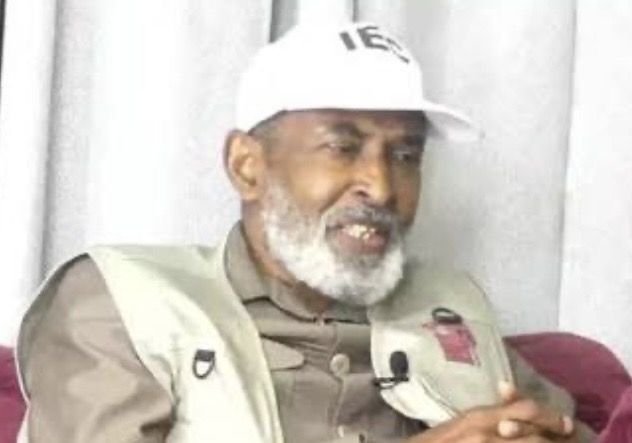
Cherno M. Jallow, vice chairman of the Independent Electoral Commission, has rejected suggestions that political actors are influencing the commission’s work, saying its members are guided by a sense of duty and the legacy they will leave behind.
Speaking in a recent interview on Kerr Fatou, Mr. Jallow addressed speculation surrounding the registration process of the political movement Unite, insisting that the commission operates independently and within the law.
“There is something called integrity and conscience, and from that you have a legacy,” he said. “Anything one does will be judged on tomorrow. We have families, and we want to walk with our heads high in our communities after this job.”
Mr. Jallow said the commission remained mindful of the trust placed in it by Gambians to deliver elections that are credible, transparent, and inclusive. He emphasized that the commission does not take instructions from outside actors and would continue to act strictly within its legal mandate.
Addressing concerns about timelines for registering political parties, Mr. Jallow said the country’s Elections Act does not prescribe a deadline for such registrations. Instead, he said, the process depends on applicants meeting legal requirements, which are subject to verification by the commission.
He noted that delays are not uncommon, as applications often involve multiple rounds of review and correction. “This is not a rejection,” he said, describing the process as one that allows applicants to revise and resubmit documents until they meet the necessary standards.
According to Mr. Jallow, eight political parties have recently applied for registration and were asked to make corrections. Two of them, Unite and the National Democratic Party, have since resubmitted their documents, which are now under review.
He said the commission has remained in contact with the leadership of both groups but acknowledged that progress has been slowed by the ongoing voter registration exercise.
In the case of Unite, Mr. Jallow said the commission is conducting social verification procedures and providing regular updates on the status of the application.
He added that the commission has no interest in excluding any political group, underscoring its commitment to an inclusive political process. “Our goal is to ensure that every Gambian who wishes to form a political party or stand as an independent candidate can do so, provided they meet the requirements of the law,” he said.
Mr. Jallow pointed to both the Constitution and the Elections Act as clear on the right to form political parties, while emphasizing that compliance with established conditions remains essential for registration.
Comments are closed.