

Gambia’s Agriculture Minister Cites Costly Land Preparation and Aging Farmers as Obstacles to Rice Self-Sufficiency

By Makutu Manneh
The Gambia’s agriculture minister has warned that high land preparation costs and an aging farming population remain significant barriers to the country’s goal of achieving rice self-sufficiency by 2030.
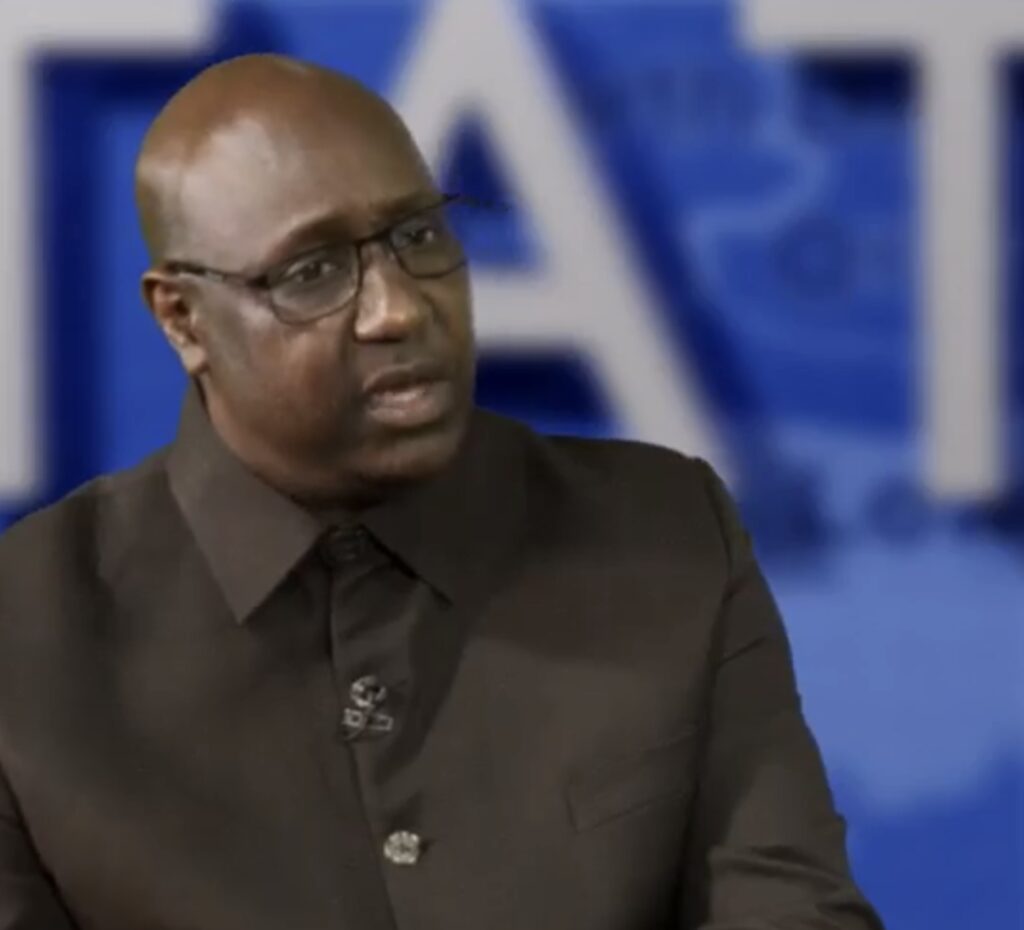
Demba Sabally, the minister of agriculture, livestock, and food security, said in an interview on Tuesday with QTV that although the country has roughly 550,000 hectares of arable land, the cost of preparing land suitable for rice cultivation remains prohibitively high.
According to Mr. Sabally, developing a hectare of land for rice production can cost between $12,000 and $15,000, a figure he said presents a major challenge for expanding domestic rice farming.
Beyond land preparation, the minister pointed to several structural pressures affecting food production, including youth migration away from agriculture, land tenure constraints, limited mechanization, and the growing effects of climate change, noting that while climate change is not a new phenomenon, it is having a significant impact on national food production and security.
Mr. Sabally acknowledged that while the government has made progress in modernizing the agricultural sector, key gaps remain, particularly in access to machinery and equipment needed to scale up mechanized farming.
“We are progressing and transforming; however, there is still a gap that needs to be filled,” he said. “We don’t have enough equipment for mechanization. We are a developing country at a transformative stage, and we are fully aware of the gaps.”
He noted that previous governments had attempted to address many of these challenges but said current efforts are building on those initiatives under the national agricultural strategy.
The government’s plan, outlined in the Gambia Agricultural Investment Plan, sets a target for the country to become self-sufficient in rice production by 2030.
Mr. Sabally said the government remains committed to that goal and suggested that political accountability should accompany the timeline.
“If the target is not met by 2030, the minister should be held responsible, and if I am the minister until then, I should be held responsible,” he said.
Comments are closed.