

Lamin J.K. Sanneh Criticizes Hospital Conditions, Outlines UDP’s Healthcare Reform Plans

By Seedy Jobe
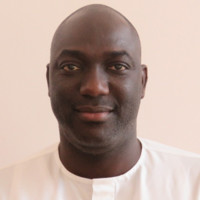
Lamin J.K. Sanneh, the United Democratic Party’s (UDP) Deputy Administrative Secretary for Social Affairs and Fundraising, has criticized the state of Gambia’s healthcare system, accusing the government of prioritizing hospital construction over the delivery of essential medical services.
Speaking during a discussion on the UDP’s official Facebook page, Mr. Sanneh described the country’s health sector as being in a troubling condition, citing shortages of medicines, medical equipment, and basic supplies despite what he said were billions of dalasis in government expenditure over the past several years.
“A hospital is not just a house with corrugated sheets and tiles. It is a service,” Mr. Sanneh said, arguing that constructing healthcare facilities means little if they cannot provide adequate treatment to patients.
Reflecting on the country’s healthcare system in earlier years, Mr. Sanneh recalled a time when public hospitals were adequately stocked with medicines and staffed by doctors and nurses, providing what he described as a more reliable and comfortable experience for patients.
He contrasted that with conditions he said patients face today, including lengthy queues, administrative delays, and shortages of essential medical supplies.
According to Mr. Sanneh, patients sometimes wait up to 90 minutes simply to obtain a hospital ticket, only to encounter further delays attributed to malfunctioning computer systems, faulty equipment, or electricity outages.
Even after securing medical attention, he claimed, patients are frequently required to purchase basic supplies, including gloves, intravenous fluids, and prescribed medicines, from private pharmacies.
Mr. Sanneh also questioned the government’s healthcare spending, citing what he described as official figures indicating that approximately D20 billion had been spent on the sector over the past seven to eight years.
He argued that such expenditure should have produced substantial improvements in medical infrastructure, including the availability of dialysis machines, essential medicines and specialized facilities such as a cancer treatment center.
He further alleged that some newly constructed hospitals, including facilities in Soma and the West Coast Region, remain inadequately equipped, while patients at hospitals in Banjul sometimes lie on floors because of insufficient beds.
Some patients, he claimed, wait two to three hours without being attended to by a doctor.
Turning to the UDP’s healthcare proposals, Mr. Sanneh said a government led by his party would seek to eliminate out-of-pocket payments for hospital services while investing in medical equipment, staffing and the availability of medicines.
He outlined plans to establish adequately equipped referral hospitals across the country, identifying the West Coast Region, North Bank Region, Kuntaur, Central River Region, Basse, Bansang and Brikamaba among the areas targeted for improved healthcare services.
Asked whether the UDP would restore the primary healthcare system associated with former President Sir Dawda Kairaba Jawara, which emphasized access to healthcare at the community level, Mr. Sanneh said the party’s position would be detailed in its manifesto, which he said was scheduled for release the following week.
He stressed that modern healthcare requires more than physical infrastructure, pointing to the importance of advanced diagnostic equipment, modern medical technology and minimally invasive surgical procedures.
On the persistent shortage of medicines, Mr. Sanneh disclosed that the UDP intends to explore partnerships with international pharmaceutical manufacturers to produce medicines specifically designated for government hospitals.
Under the proposal, he explained, such medicines would be restricted from commercial resale, ensuring that supplies intended for public healthcare facilities reach patients directly.
Mr. Sanneh maintained that the government’s approach to healthcare infrastructure must be measured by the quality of services delivered rather than the number of buildings constructed.
He cited hospitals in communities such as Jali and Badibou, arguing that even newly built facilities offer limited benefits if they lack qualified nurses, essential medicines, running water and basic medical supplies.
His remarks come as the UDP seeks to outline its healthcare priorities ahead of the 2026 presidential election, with the party promising to place greater emphasis on accessible treatment, modern medical equipment and adequately resourced public hospitals.
Comments are closed.