

Gambia’s Auditor General Urges Journalists to Uphold Accuracy in Reporting Audit Findings

By Seedy Jobe
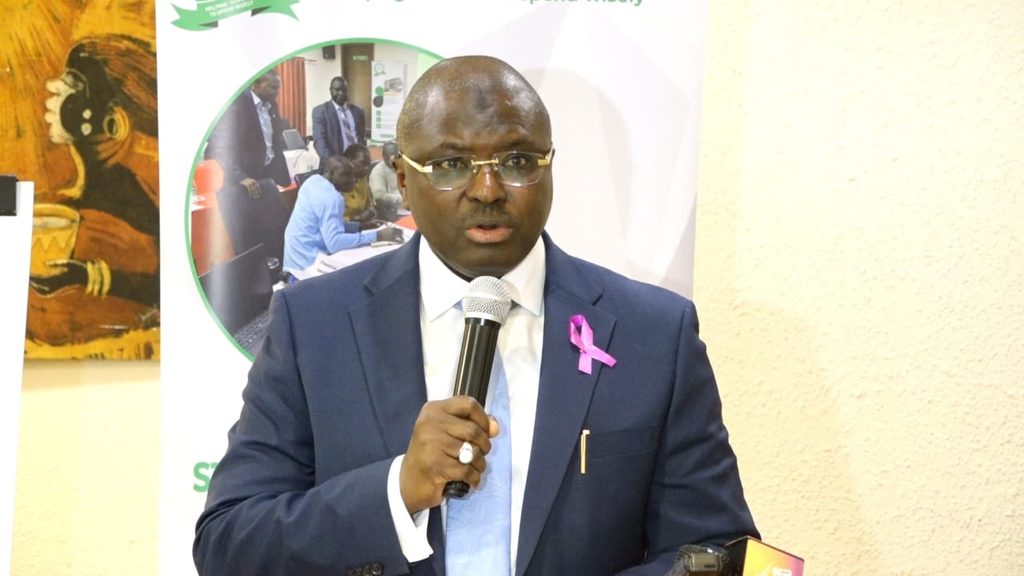
The Gambia’s Auditor General, Cherno Amadou Sowe, has urged journalists and editors to exercise greater accuracy, fairness, and diligence when reporting public sector audit findings, warning that misinterpretations of technical audit reports could mislead the public and undermine efforts to promote transparency and accountability.
Speaking on Wednesday, October 14, 2026, at the National Audit Office’s (NAO) annual media engagement forum at the Senegambia Beach Hotel, Mr. Sowe emphasized that the media plays a crucial role in ensuring that government institutions are held accountable for their management of public resources.
The forum, held under the theme “Promoting Accurate Audit Reporting and Greater Understanding of Public Sector Auditing,” brought together journalists and editors from television, radio, print, online, and community media organizations to deepen their understanding of public sector auditing and the interpretation of audit findings.
Mr. Sowe described the engagement as an opportunity to strengthen cooperation between auditors and journalists through constructive dialogue, knowledge sharing, and feedback.
He said the impact of the NAO’s work depends not only on the quality and independence of its audits but also on how effectively its findings are communicated to the public.
“The National Audit Office recognizes and appreciates the contribution of the media in bringing matters of public interest to the attention of citizens. We do not regard you merely as recipients of our audit reports but as important stakeholders in the broader accountability ecosystem,” he said.
As The Gambia’s supreme audit institution, the NAO is mandated to independently examine how public resources are managed and spent, assessing whether government institutions comply with applicable laws and regulations while ensuring economy, efficiency, and effectiveness in public expenditure.
The office conducts financial, compliance, performance, information technology and other specialized audits aimed at identifying weaknesses in public financial management, strengthening institutional accountability and improving service delivery.
Mr. Sowe said journalists serve as a vital bridge between auditors and citizens, helping translate complex financial and administrative findings into information the public can understand.
“Through your reporting, citizens gain greater awareness of audit findings, public institutions are encouraged to respond to identified weaknesses, and issues requiring further attention can receive the necessary public scrutiny,” he said.
However, the Auditor General cautioned against drawing conclusions from audit findings without a proper understanding of the technical standards, terminology, and procedures governing public sector auditing.
He stressed that accurate reporting requires journalists to distinguish between different types of audit findings, understand their implications, and present them within the appropriate context.
The forum also underscored the importance of sustained engagement between the NAO and media organizations to promote informed public debate and ensure that audit findings receive the scrutiny they deserve without being distorted or taken out of context.
Mr. Sowe reaffirmed the office’s commitment to making audit information accessible to the public through its official website, social media platforms and other communication channels.
“We have continued to use various communication channels to keep the public informed about our work,” he said, noting that the NAO regularly publishes audit reports and institutional updates to promote public awareness of its activities.
The engagement concluded with a renewed commitment to closer collaboration between the NAO and the media, with both sides recognizing the importance of accurate, contextual and responsible reporting in strengthening public oversight of government spending.
The initiative reflects the NAO’s broader effort to ensure that its findings do more than identify weaknesses in public financial management, serving instead as a basis for informed public scrutiny, institutional reform and greater accountability in the use of national resources.
Comments are closed.