

By Seedy Jobe
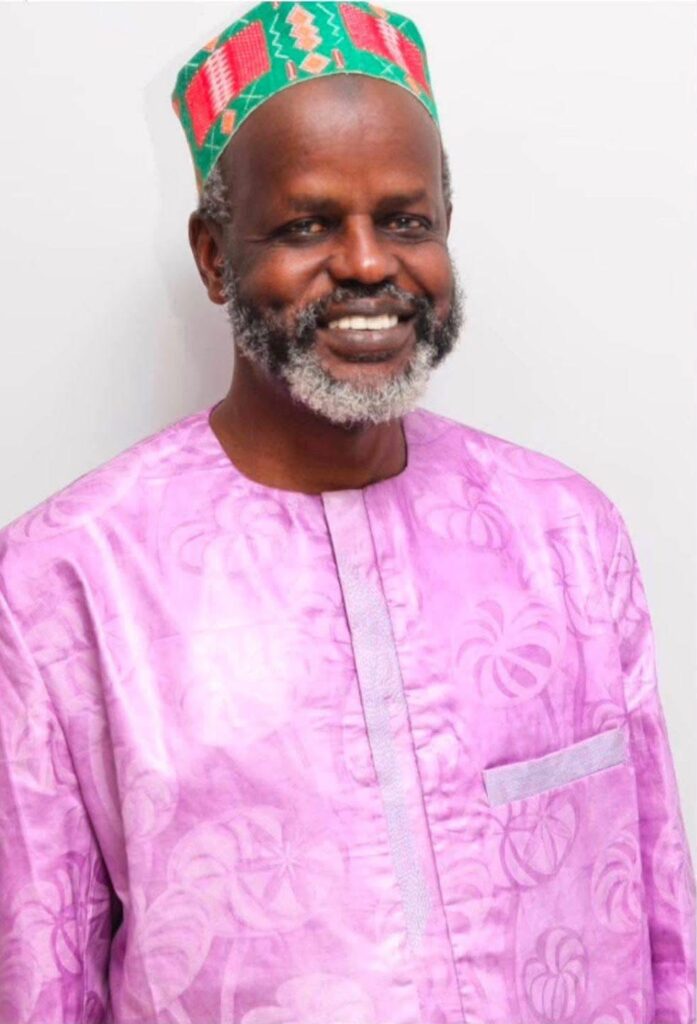
Imam Baba Leigh, a prominent Gambian religious leader and a commissioner at the National Human Rights Commission, is facing mounting criticism after he made remarks about the Mandinka ethnic group during a live TikTok broadcast, prompting calls for a public apology.
A clip from the broadcast, which has circulated widely on social media, shows Mr. Leigh speaking about Mandinkas, the country’s largest ethnic group.
“You Mandinkas, I don’t know what’s wrong with you,” Mr. Leigh could be heard saying. “I don’t know what’s wrong with them; they are always angry.”
Mr. Leigh appeared to leave the broadcast briefly after realizing that his microphone was still live. When he returned, he acknowledged making the remarks and said he would not deny them.
“What you have heard, I said it,” he said. “The anger—that’s what confused me.”
Mr. Leigh went on to question what he described as anger among Mandinkas, saying he did not understand its source. Referring to a person who had been speaking to him in Mandinka, he said he could detect anger in the person’s tone and argued that anger was not helpful.
He also said he regularly hears claims that Fulas are not Gambians and should leave the country, invoking another ethnic group in a broader discussion about ethnic tensions.
The remarks quickly drew criticism online, with many Gambians accusing Mr. Leigh of unfairly generalizing about an entire ethnic community. Hundreds of social media users have called on him to issue a public apology, while others warned that rhetoric centered on ethnicity could deepen social divisions.
The criticism has come from people of different ethnic backgrounds, with some focusing particularly on Mr. Leigh’s dual roles as a religious leader and a member of the country’s national human rights institution.
Kemeseng Sanneh, a prominent Gambian journalist, described the remarks as unacceptable, arguing that an imam and a human rights commissioner should not make sweeping statements about people based on their ethnicity.
Mr. Sanneh said people entrusted with religious or public responsibilities should be held to a higher standard, noting that an imam is expected to provide moral leadership while a human rights commissioner is charged with defending the rights and dignity of all citizens.
He argued that the use of ethnic rhetoric by people associated with human rights advocacy risks undermining the principles they are expected to uphold and could contribute to division and hostility in the country.
The controversy comes as political and public discourse in The Gambia increasingly intensifies ahead of the 2026 presidential election, raising broader concerns about rhetoric that could inflame ethnic tensions.
Comments are closed.