


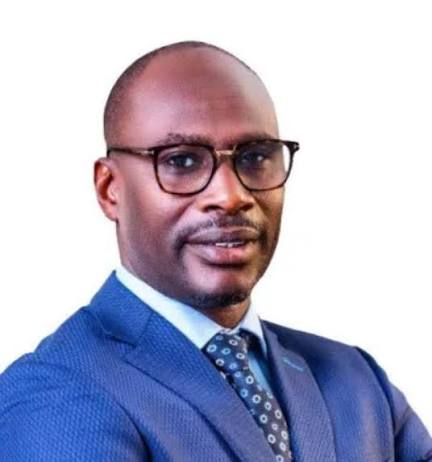
By Fatou Sillah
Essa Mbye Faal, the leader of APP-Sobeyaa, has rejected claims that his party withdrew from Coalition 2026 because of a dispute over the vice presidency, saying the decision stemmed from broader disagreements over the coalition’s procedures, power-sharing arrangements, and flag-bearer selection process.
Speaking in an interview with West Coast Radio, Mr. Faal said he had pushed for coalition members to settle questions about how a future government would share power before choosing a presidential candidate. Leaving those matters unresolved, he argued, could create disputes among coalition partners after an electoral victory.
“The issue of vice presidency and running mates was never an issue for me,” Mr. Faal said. “If they are honest, they would know that was never an issue for Essa.”
Mr. Faal said APP-Sobeyaa also raised concerns about the participation in the selection process of a group that had previously withdrawn from the coalition talks and later sought to return.
Another concern, he said, arose from information he received suggesting that UNITE would not accept the outcome of the flag-bearer selection unless its leader, Talib Ahmed Bensouda, emerged as the coalition’s presidential candidate.
Mr. Faal said he discussed the matter with Aziz Bensouda, Mr. Bensouda’s elder brother, lawyer, and one of UNITE’s chief negotiators, during a meeting at Mr. Faal’s home roughly 10 days before the flag-bearer selection.
According to Mr. Faal, he told Aziz Bensouda that he was prepared to offer Talib Bensouda a prominent role in a potential coalition government—one that could go beyond the vice presidency and possibly include a prime ministerial position. He said his proposal was intended to give the younger politician greater experience and prepare him for a future presidential bid.
“I told Aziz that, okay, I am willing to offer Talib something beyond vice presidency,” Mr. Faal said. “We can change to have a prime minister position. I said, and the reason why I’m doing that is to prepare him better to become president later. And Aziz said to me, ‘But we can offer you the same.’”
Mr. Faal said discussions continued after the meeting because he believed the disagreements could still be resolved. Before the final stage of the flag-bearer selection, he said, he again sought clarification from Aziz Bensouda and received confirmation of the position that had previously been conveyed to him.
Despite the disagreements, Mr. Faal said he remained confident that he could prevail in the contest to lead the coalition and insisted that securing the vice presidency had not been his motivation for participating in the negotiations.
“I was going to win that election,” he said.
APP-Sobeyaa ultimately withdrew from the process after its executive met and concluded that the issues it had raised remained unresolved, Mr. Faal said.
He argued that coalition partners should establish a clear power-sharing agreement before embarking on a presidential campaign, particularly because participating parties would be committing their political organizations, financial resources, and supporters to a joint effort.
Mr. Faal also noted that The Gambia’s constitutional system does not formally provide for a presidential running mate in the manner used in some other presidential systems. That, he said, made it even more important for coalition partners to define the roles and distribution of authority in a prospective government before seeking office.
Comments are closed.