


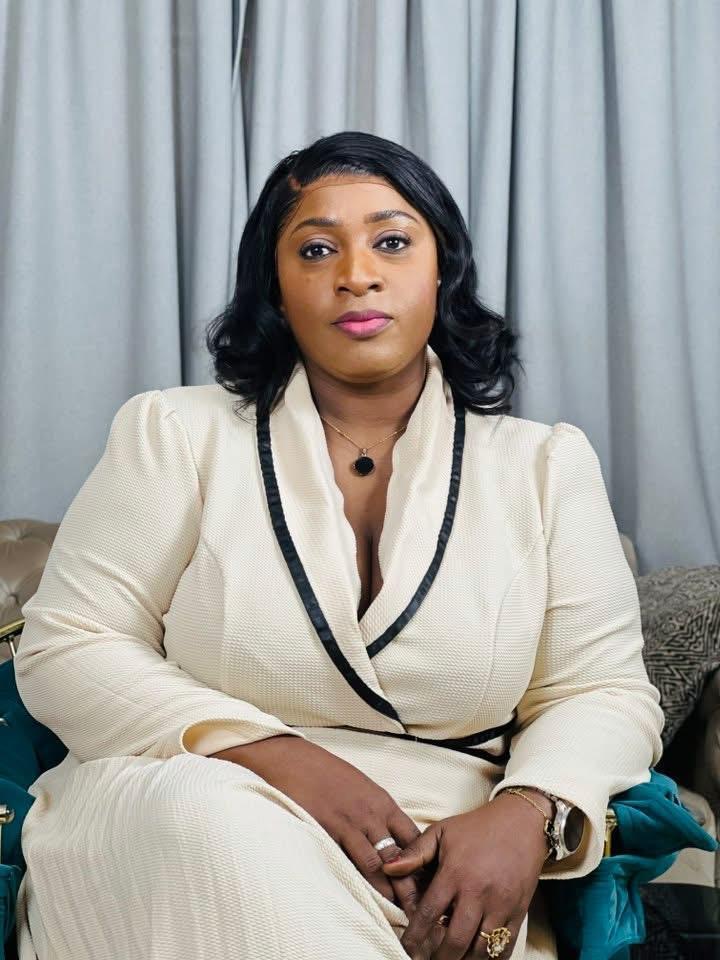
Fatou Touray, Host Kerr Fatou TV Show
Opinion By Fatou Touray
When Senegal’s President Bassirou Diomaye Faye was elected chairman of the ECOWAS Authority of Heads of State and Government on Sunday, the announcement attracted attention in The Gambia.
Mr. Faye, who took office in April 2024, has reached one of the most visible positions in West African diplomacy less than two years into his presidency. He succeeds Sierra Leone’s President Julius Maada Bio following the bloc’s 69th Ordinary Session in Freetown.
For many Gambians, the news carries a sense of disappointment.
President Adama Barrow is approaching a decade in office, yet he has never chaired ECOWAS. By comparison, Mr. Faye has secured the position relatively early in his presidency. That contrast raises questions about The Gambia’s current influence within a regional organization in which it once played an important role.
The Gambia has not always watched from the sidelines.
The country held the rotating ECOWAS chairmanship twice under Sir Dawda Kairaba Jawara, first from 1989 to 1990 and again from 1991 to 1992. No Gambian president has held the position since.
More than three decades have now passed. During that period, the chairmanship has moved among several countries, including Nigeria, Ghana, Guinea-Bissau, Niger, and Sierra Leone. Senegal has now joined that list again, while The Gambia continues to wait.
But The Gambia’s contribution to ECOWAS cannot be measured by the chairmanship alone.
Banjul occupies an important place in the organization’s history. In May 1990, ECOWAS leaders met in the Gambian capital and established the Standing Mediation Committee, a body created to respond to growing instability in the region.
A few months later, another meeting in Banjul led to the establishment of ECOMOG, the regional peacekeeping force deployed during Liberia’s civil war.
That was a significant moment. At a time when Liberia was descending into violence and disorder, West African leaders attempted something bold: an African-led regional response to a conflict threatening to destabilize neighboring countries.
The fact that this initiative took shape in Banjul remains an important part of The Gambia’s diplomatic history, even if it is rarely discussed today.
The country has also continued to hold influence within ECOWAS in other ways. In 2022, Gambian diplomat Omar Alieu Touray was appointed president of the ECOWAS Commission, the institution’s executive and administrative arm. His appointment placed a Gambian at the center of the organization’s daily operations and decision-making.
Still, the political chairmanship carries a different level of visibility. It places a president at the forefront of regional diplomacy, crisis negotiations and relations with international partners.
That is why Senegal’s latest appointment is generating discussion in The Gambia. It is important, however, not to treat the ECOWAS chairmanship as a simple reward for the number of years a president has spent in office. The position is not awarded strictly by seniority. It is shaped by negotiations, regional relationships, political timing and the willingness of member states to support a particular leader.
A country’s diplomatic influence, ability to build consensus and readiness to take on the demands of the position may all play a part.
Even so, appearances matter.
A Senegalese president who has been in office for less than two years is now the political face of ECOWAS, while his Gambian counterpart, after almost a decade in power, has yet to receive the same opportunity.
That does not necessarily mean The Gambia has been deliberately excluded. But it does invite legitimate questions.
Has Banjul done enough to position itself diplomatically within the bloc? Has the government actively sought the chairmanship? Are larger regional interests taking priority, or is The Gambia simply waiting for its turn?
There may be no single answer.
What is clear is that The Gambia has a proud history within ECOWAS. Sir Dawda Jawara once led the organization, and Banjul hosted meetings that helped shape the region’s approach to peacekeeping and conflict resolution.
The question now is whether that history will eventually lead The Gambia back to the chairmanship — or whether the country’s long wait will continue.
Comments are closed.