

Dr. Ceesay: “Fuel Price Increases Driven by Global Market Forces, Not Government Policy”

By Fatou Sillah
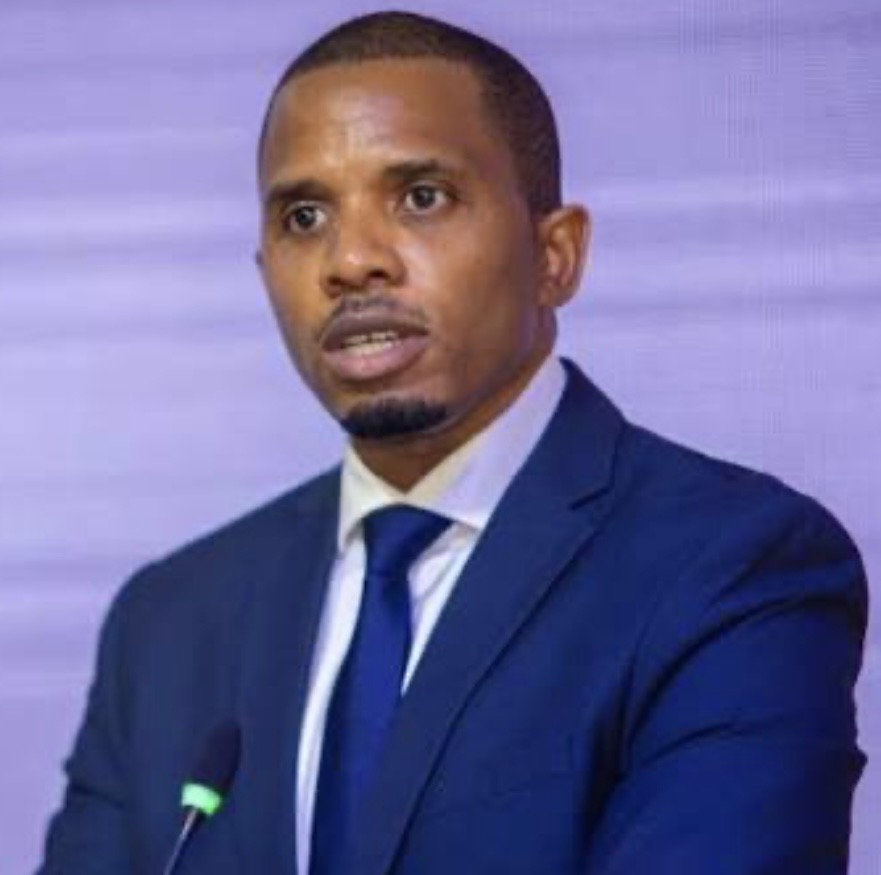
The Minister of Information, Media, and Broadcasting Services, Dr. Ismaila Ceesay, has stated that the recent rise in fuel prices is the result of global market dynamics rather than a policy decision by the government.
Speaking on GRTS, Dr. Ceesay explained that fuel pricing is largely determined by international market conditions, which governments must respond to rather than control.
“Government did not increase the price of fuel. The market increases the price of fuel. Because there’s a market that determines the price, the market increased the price, and the government has to act accordingly,” he said.
He noted that The Gambia remains highly vulnerable to external oil price shocks due to its near-total reliance on imported petroleum products.
“There is war in the Middle East, and everybody knows that now, and every country in the globe is feeling the impact of this war. Gambia, like many countries, is exposed to global oil shocks because we import almost 100% of our oil needs from outside of The Gambia,” he said.
According to Dr. Ceesay, ongoing conflict in the region has disrupted global production and supply chains, contributing to rising fuel costs worldwide. He highlighted the strategic importance of the Strait of Hormuz, noting that a significant portion of the world’s oil supply transits through the corridor.
“One-fifth of the global supply of oil passed through the Strait of Hormuz, which is now totally closed. And every country is feeling the impact of this closure,” he said.
Dr. Ceesay further emphasized the limitations governments face in addressing such crises, particularly in regions with limited geopolitical influence.
“What governments cannot do right now, particularly governments in Africa, is that we don’t have any power to be able to stop the war today. If we had the power, we would,” he remarked.
However, he underscored that governments can take steps to cushion the impact on citizens through policy interventions and mitigation strategies.
“What we have control of as a government is what strategies we can put in place and what measures to mitigate the impact of the crisis,” he said.
Comments are closed.