

UDP Treasurer Criticizes Voter Attestation System and Government Spending, Calling for Structural Reform

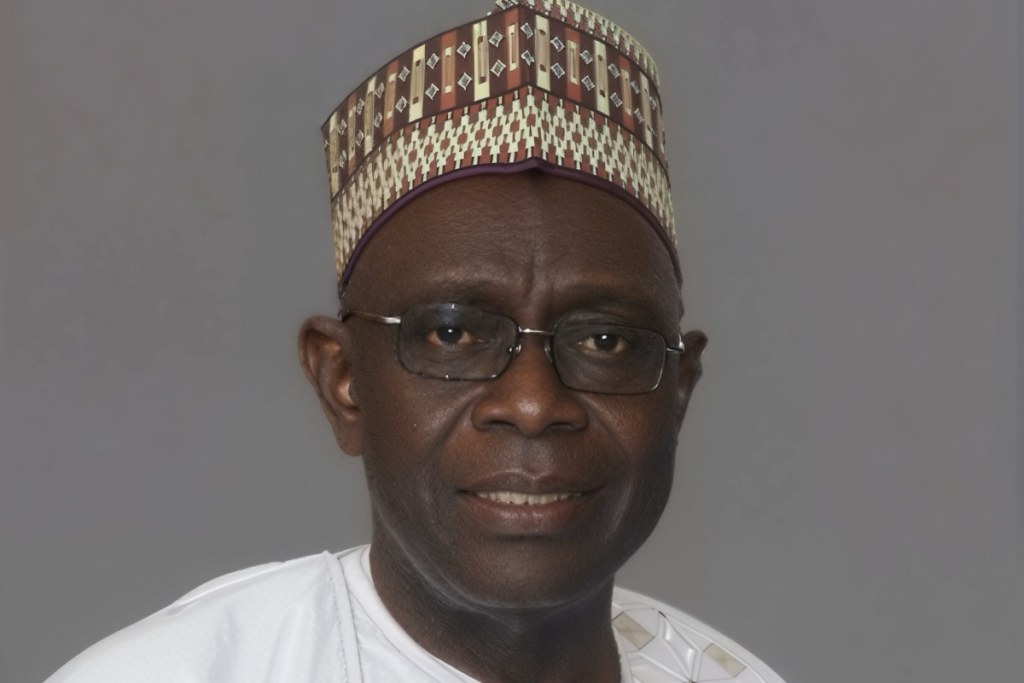
By Fatou Sillah
Amadou Sanneh, the National Treasurer of the United Democratic Party (UDP), has criticized the use of attestation in The Gambia’s voter registration and identification process, describing it as a systemic weakness that undermines access to national documents.
Speaking in an interview with West Coast Radio, Mr. Sanneh argued that eligible citizens should be able to obtain national identification cards without reliance on third-party verification or attestations.
“These attestations we have—these are all flaws in our system,” he said. “If somebody who is over 18 cannot go and get a national document, it’s a question.”
He added that the country was “at a crossroads,” urging a shift in national thinking beyond short-term concerns. “We should think beyond today and tomorrow. The country is more than just today and tomorrow,” he said.
Turning to broader governance issues, Mr. Sanneh also criticized conditions in the public health sector, pointing to overcrowding and resource shortages at the Edward Francis Small Teaching Hospital (EFSTH).
“Go to the delivery ward in EFSTH. Two babies in one bed—is that progress? Some of the moms are lying down on the floor; this is not progress,” he said.
He further highlighted what he described as persistent structural challenges in the health system, including shortages of essential medicines and medical specialists, which he said were forcing many patients to seek treatment in Senegal or abroad.
“What are the critical issues in our health system today? Lack of drugs, lack of consultants and specialists, and a lot of us are relying on Senegal or going abroad,” he said.
Mr. Sanneh also questioned the effectiveness of public investment in agriculture, noting that the country continues to rely heavily on rice imports despite significant government spending in the sector.
“Agriculture—what is the result? I would say 90 percent of our rice we are still importing despite spending, you say, billions. Where has it gone? Has it achieved the targets that you are aiming for?” he said.
On public debt, he warned that borrowing practices—particularly high-interest loans for long-term infrastructure projects—were placing a growing burden on taxpayers.
“You don’t borrow at a high level; they are loading the taxpayer, that is why your interest bill is going high, and your tax rates are going high,” he said.
Comments are closed.