

Gardener Sentenced to Life for Rape of Child on Easter Sunday

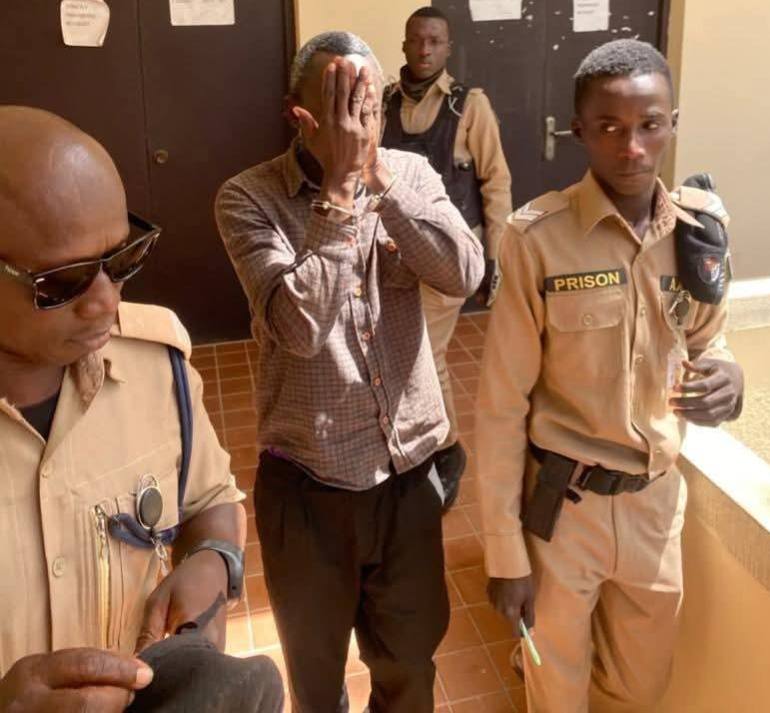
A local gardener was sentenced to life in prison after being found guilty of raping a seven-year-old girl on Easter Sunday, a day the presiding judge said was “intended for celebration” but instead became a scene of “breached communal trust.”
The defendant, Moses Ukwai, who worked at the John Bosco Garden in Kunkujang Mariama, was convicted of one count of rape under the Sexual Offences Act of 2013. Justice Sidi K. Jobarteh of the High Court delivered the sentence, invoking the maximum penalty allowed by law due to the “extreme vulnerability” of the victim.
The prosecution argued that in April 2025, Mr. Ukwai used the promise of Easter gifts, known locally as salibo, to lure three young children into the garden where he was employed by local priests. Once inside, the court found, Mr. Ukwai systematically isolated the children to carry out the assaults.
During the trial, the seven-year-old victim testified that Mr. Ukwai invited her and her companions to the garden for gifts before calling them inside one by one. She recounted a harrowing ordeal in which the defendant assaulted her before allowing her to leave.
A second girl, aged nine, also testified to being assaulted, providing corroborating details of Mr. Ukwai’s methods. However, in a split ruling, Justice Jobarteh acquitted Mr. Ukwai on a second count of rape involving an eight-year-old girl, stating that the prosecution had failed to provide sufficient evidence of penetration in that specific instance.
The medical testimony of Elizabeth Jatta, a registered nurse, proved pivotal to the conviction. While the defense suggested that bruises found on the seven-year-old could have been caused by routine activities like bicycle riding, Ms. Jatta testified that the specific location and nature of the injuries “could not have been caused” by such an accident.
Mr. Ukwai, who pleaded not guilty and acted as the sole witness in his defense, claimed the allegations were a fabrication rooted in xenophobia. He argued that the villagers “don’t like him” because he is a foreigner and maintained that he had only spoken to the children about religious matters.
Justice Jobarteh rejected those claims, pointing to Mr. Ukwai’s flight from Kunkujang Mariama following the incident as evidence of a “guilty mind.” Mr. Ukwai was apprehended a week later, on April 27, when he returned to the area to retrieve a bicycle he had left with a friend.
In her final determination, Justice Jobarteh cited the legal precedent of Boniface Adonike v. The State, noting that the prosecution had established the five essential elements for a rape conviction, including criminal intent (mens rea) and the lack of consent.
“The victims were not the wives of the accused,” Justice Jobarteh noted, further emphasizing that given the ages of the children—seven and eight—consent was legally nonexistent under the “coercive circumstances” created by the defendant.
As the life sentence was handed down, the court underscored the gravity of a crime committed by a figure of labor in a space associated with the church, particularly on a high holy day.
Comments are closed.