


By Seedy Jobe
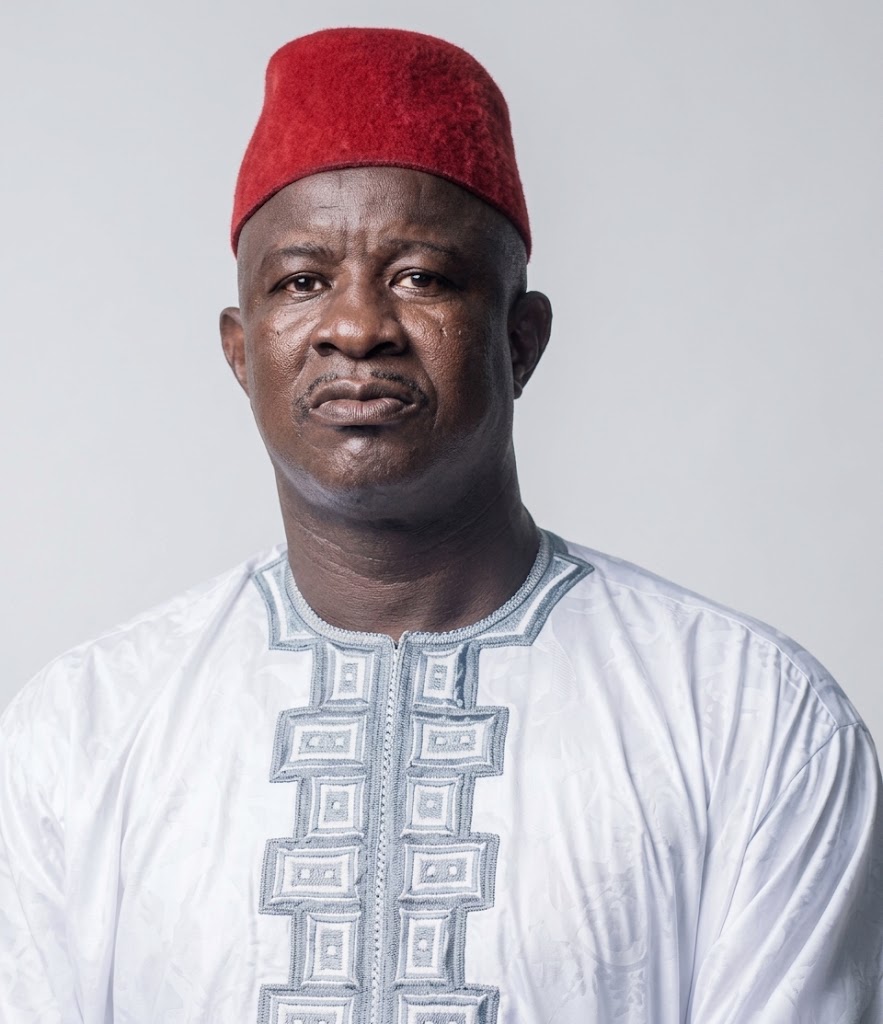
The National Assembly member for Foni Jarrol, Hon. Kebba Tumanding Sanneh, has criticized the Barrow administration over what he described as misplaced priorities and poor implementation of government policies, arguing that technocrats are failing to provide President Adama Barrow with accurate information.
Speaking in an interview with KMC Community Radio on Thursday, Sanneh questioned whether officials appointed to advise and serve the president were giving him an accurate picture of conditions in the country.
“They don’t tell President Barrow the right thing,” Sanneh said.
His criticism touched on several issues, including government priorities, the electricity crisis, and the recently withdrawn bill concerning benefits for former presidents.
On the former presidents’ bill, Sanneh said the legislation had been withdrawn following discussions at the National Assembly. He argued that The Gambia needs progressive legislation and questioned whether providing substantial benefits to a former president should be a priority given the country’s current challenges.
Sanneh said his concerns about the government’s priorities were informed by National Assembly and committee reports, as well as concerns raised by members of the public.
The lawmaker, who has frequently been outspoken on governance issues, said he had no regrets about his positions. He added that some supporters of President Barrow had encouraged him to join the ruling National People’s Party, but said effective democracy requires voices outside the governing party to hold those in power accountable.
Sanneh also cautioned the president against waiting for public frustration to escalate into protests before responding to problems, arguing that doing so could leave the government reacting to crises rather than addressing them before they worsen.
Turning to the role of technocrats, Sanneh questioned why numerous commissions and government reports had produced what he described as little visible implementation. He said the Office of the President often responds only after public criticism intensifies.
While acknowledging that it was unclear whether advisers were failing to provide accurate information or whether their advice was not being implemented, Sanneh said he believed the president was not always being told the full truth.
He cited the electricity sector as an example, recalling earlier statements by President Barrow that the country had sufficient generation capacity and even reserves. Sanneh said the subsequent electricity crisis, which triggered nighttime protests, raised questions about the information provided to the president.
“We were sitting on an egg,” he said, warning that poor handling of the electricity crisis could have serious consequences.
Sanneh also criticized nominated National Assembly member Fatoumatta Jawara over her characterization of the electricity crisis as a “minor issue,” describing the remark as unfortunate.
He said that while he generally avoids publicly criticizing fellow lawmakers, nominated members appointed by the president have a responsibility to give him candid advice when government policies or decisions are falling short.
Sanneh also addressed education and governance, arguing that education should not be measured solely by academic qualifications but by a person’s ability to apply knowledge effectively for the benefit of society.
Democracy, he said, ultimately requires representatives to speak for the people and those closest to the president to give him an accurate account of the challenges facing the country.
Comments are closed.