

No-To Alliance ‘80 Percent’ Likely to Join Opposition Coalition, Almameh Gibba Says

By Seedy Jobe
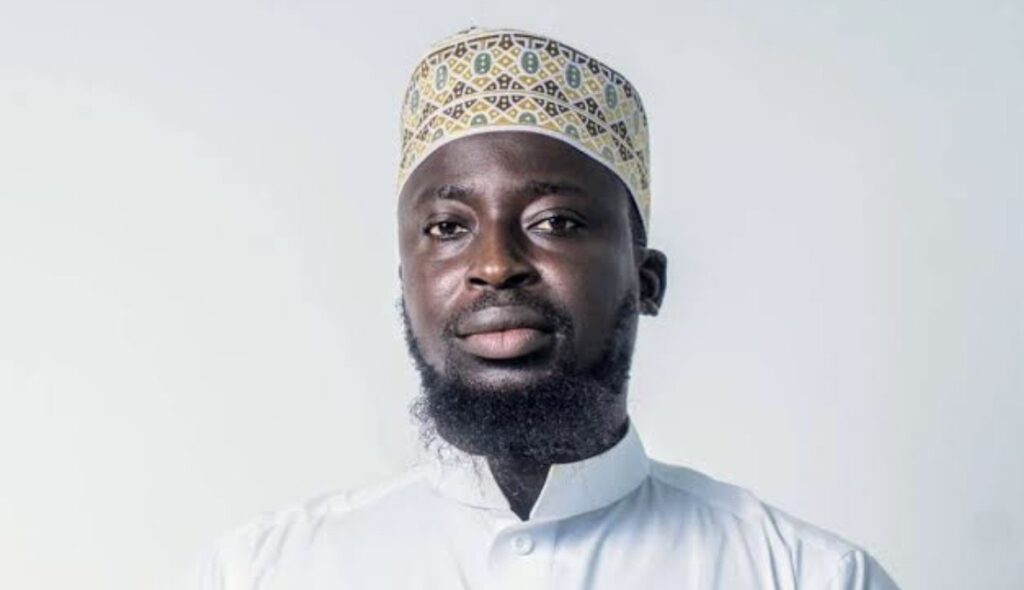
Almameh Gibba, the National Assembly member for Foni Kansala and a senior figure in the No-To Alliance, has said the movement is likely to join an opposition coalition ahead of The Gambia’s 2026 presidential election, as political groups intensify negotiations with just months to go before the vote.
Mr. Gibba, whose alliance is aligned with former President Yahya Jammeh, put the likelihood of joining an opposition coalition at 80 percent. But he said the group was first concentrating on strengthening its political structures and resolving internal differences.
“We have one common enemy, Barrow,” Mr. Gibba said in an interview with Mengbe Kering TV, referring to President Adama Barrow.
Mr. Gibba said the No-To Alliance had been contacted when discussions about an opposition coalition began and participated in an initial meeting. After reviewing the process, however, organizers stepped back from the talks, he said, and the alliance has not participated since.
Despite that, Mr. Gibba said cooperation among opposition parties remained important if they hoped to mount a serious challenge to Mr. Barrow in the Dec. 5 election.
He criticized the increasingly bitter exchanges among opposition figures, saying personal attacks, insults, and the public disclosure of private information were making eventual cooperation more difficult.
Opposition parties, he said, could not spend months attacking one another and then expect to easily unite when an election approached. Although he is the incumbent lawmaker in Foni Kansala, Mr. Gibba said he considers himself part of the opposition at the national level.
For now, he said, the No-To Alliance is focused on strengthening its constituency and regional structures while attempting to reconcile with members who have left the movement. The alliance, he added, must first put its own house in order before committing itself to a broader coalition.
Mr. Gibba nevertheless expressed confidence that the group would eventually participate in some form of coalition, though he said the decision would depend on which political parties were involved.
Asked about the possibility of working with the United Democratic Party, the country’s largest opposition party, Mr. Gibba said political differences should take a back seat to what he described as the national interest.
“What I tell people is that the country comes first,” he said. “Whether it is UDP, Talib, Kebba Madi, or NUP, we can work together to achieve what we want to achieve.”
Mr. Gibba also left open the possibility of an arrangement with Mr. Barrow, placing the chances at between 20 and 50 percent.
He also addressed the influence of Mr. Jammeh, whose political future and relationship with his former supporters continue to loom over the movement.
Mr. Gibba rejected the suggestion that the former president simply dictates the alliance’s decisions. He said its leaders remain in communication with Mr. Jammeh but sometimes disagree with him over political strategy.
If Mr. Jammeh were to propose an alliance with Mr. Barrow, Mr. Gibba said, the former president would be expected to explain his reasons and outline the conditions for such an agreement. Those conditions would then have to be presented to Mr. Barrow, he said.
Whether such an arrangement could proceed, Mr. Gibba added, would ultimately depend on whether those conditions were accepted.
Comments are closed.