


By Fatou Sillah
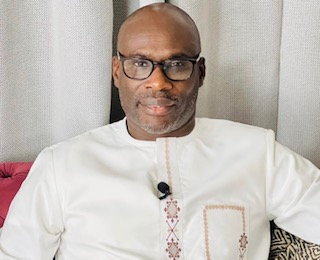
Essa Mbye Faal, the leader of the APP-Sobeyaa party, has condemned recent ethnic remarks directed at Talib Ahmed Bensouda, the leader of UNITE and mayor of the Kanifing Municipal Council, calling the comments “horrible” and warning political leaders against fueling tribal and religious divisions ahead of the December presidential election.
Speaking in an interview with West Coast Radio, Mr. Faal said such rhetoric had no place in Gambian politics and argued that political leaders bore a particular responsibility for discouraging their supporters from attacking opponents on the basis of ethnicity, religion, or background.
“The other day I saw statements directed at Talib Bensouda; I think that was absolutely wrong,” Mr. Faal said. “It was horrible. This is wrong; it should not happen in our country.”
His remarks come amid growing concern about divisive rhetoric as political parties intensify their activities ahead of the election. Mr. Faal said political competition should not be allowed to undermine the country’s social cohesion, arguing that The Gambia belongs equally to all its citizens regardless of their ethnic identities or political affiliations.
Mr. Faal also referred to remarks directed at Ousainu Darboe, the leader of the United Democratic Party, saying disagreements over politics should never become a justification for attacks based on a person’s ethnicity or religion.
He placed some of the responsibility for the persistence of such divisions on the country’s political leadership.
“We leaders feed this thing,” he said. “We feed this animal.”
Mr. Faal said political leaders had previously signed pledges committing themselves to rejecting divisive politics, but argued that declarations alone were insufficient. Political leaders, he said, must actively confront tribalism, including when inflammatory rhetoric comes from people perceived to be their own supporters.
He called for stronger institutions and a broader national effort to confront ethnic and other forms of division, pointing to the Truth, Reconciliation, and Reparations Commission process as an example of how The Gambia has sought to address difficult national issues through an organized and inclusive process.
Mr. Faal said combating tribalism would require more than condemning individual incidents as they occur. Political leaders, he argued, must take responsibility for the tone of the country’s political discourse and work collectively to prevent electoral competition from deepening divisions among Gambians.
Comments are closed.