

Ebrima Dibba Defends Young Politicians Against Claims They Abandon Their Principles

By Makutu Manneh
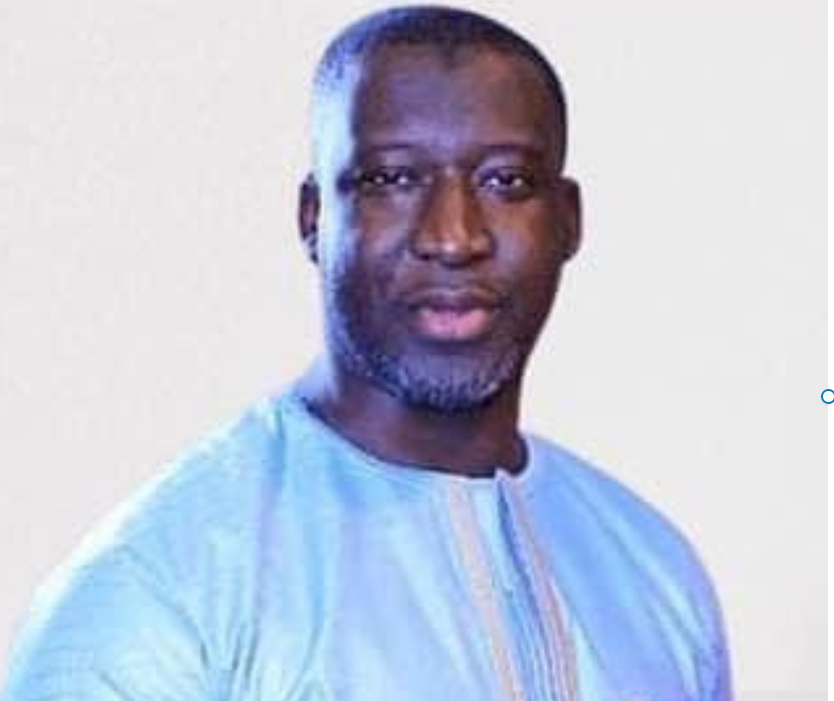
Ebrima Dibba, the national president of UNITE Party, has pushed back against suggestions that young politicians are prone to abandoning their principles and aligning with the incumbent government when confronted with political or personal difficulties.
Speaking during an appearance on Kerr Fatou, Dibba was asked why Gambians should place their trust in a younger generation of political leaders. He said young people remain central to the country’s future and argued that discouraging them from political participation would undermine prospects for meaningful change.
“The youth are the hope of this country,” Dibba said, adding that if young people become so frustrated that they “throw away the baton,” the country would struggle to move forward.
Dibba cited Talib Ahmed Bensouda as an example of a young politician who, he said, had resisted opportunities to align himself with President Adama Barrow’s government.
According to Dibba, Bensouda’s political value to President Barrow is greater than that of any other politician currently outside the president’s camp. He claimed that after Bensouda left the United Democratic Party, three government ministers approached him and asked him to state what he wanted so they could convey his demands to President Barrow. Bensouda declined the offer, Dibba said.
Dibba also recounted what he described as a similar experience involving a government minister whom he considers a friend. He said the minister invited him to his office and asked what he wanted from the president.
Dibba said he rejected the overture in emphatic terms, telling the minister that he would “rather die and go to hell” than join President Barrow.
He maintained that the young politicians in his camp are not motivated by personal financial interests, saying they have independent sources of income that allow them to live comfortably without relying on political patronage.
Dibba contrasted his group with politicians who have recently aligned themselves with Barrow, naming Mama Kandeh, Mai Ahmad Fatty, and Essa Mbye Faal. He argued that their political circumstances should not be used to judge the commitment of younger politicians.
“Those who join Barrow, people like Mama Kandeh, Mai Fatty, and Essa Faal, see that their political lifespan is ending,” Dibba said. “They are not youth, so they should not compare them to us. They know that they are phasing out.”
His characterization of the politicians’ political futures was an assertion and not independently established.
Dibba said young Gambian politicians should therefore be judged on their own records rather than compared with older political figures who have shifted alliances.
He maintained that members of his political camp would remain committed to their stated principles and would not, in his words, betray the Gambian people.
Comments are closed.