

Marr Nyang Warns Elections Can Be Won or Stolen Long Before Polling Day

By Seedy Jobe
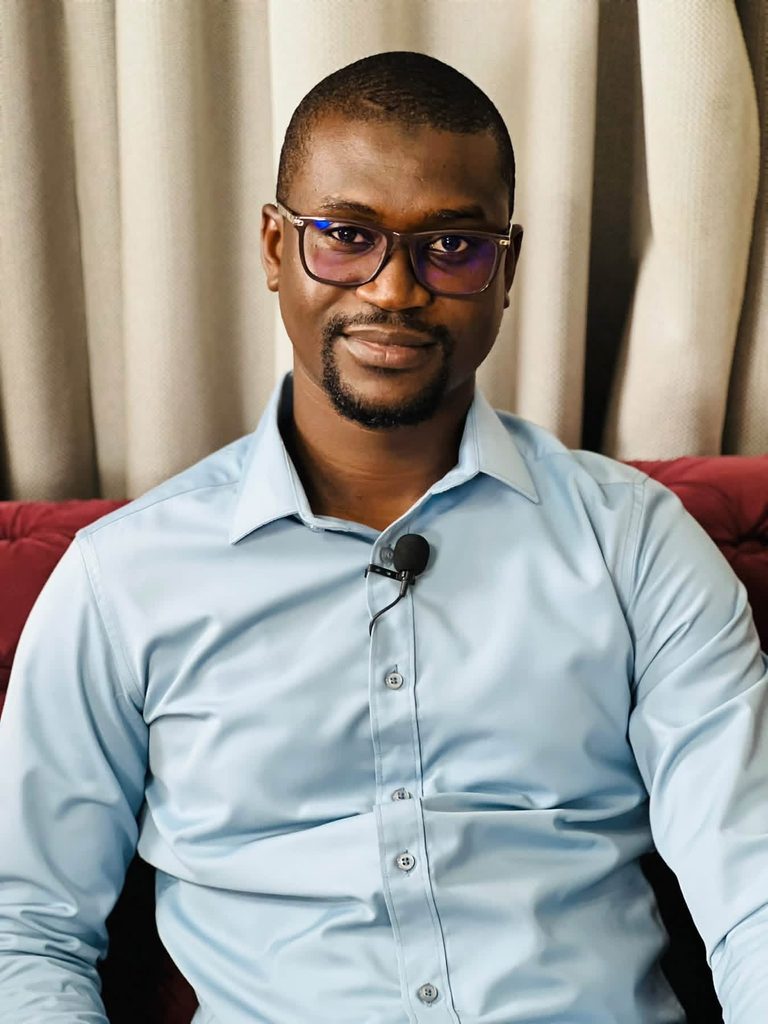
Marr Nyang, Executive Director of Gambia Participates, has warned that the credibility of The Gambia’s upcoming presidential election will depend not only on what happens on polling day but also on the integrity of the processes leading up to it.
Speaking on Kerr Fatou’s Race for State House program, Nyang expressed concern over the country’s political climate, cautioning that actions by political leaders and electoral authorities could undermine public confidence and potentially trigger election-related violence.
According to Nyang, electoral violence is often driven by the conduct of two key actors: political leaders, particularly those in power, and election management bodies.
He argued that developments in other African countries demonstrate how interference in electoral processes can fuel political instability and public unrest.
Citing Senegal’s 2024 presidential election, Nyang pointed to the former government’s efforts to prevent opposition leader Ousmane Sonko from contesting, which he said contributed to widespread protests and the deaths of more than 100 young people.
He also referenced Sierra Leone’s disputed 2023 election, which he observed firsthand. Nyang questioned the electoral commission’s announcement of approximately 60 percent of the results without providing a clear constituency-level breakdown, describing the process as unconventional. He noted that the election was followed by an attempted coup.
Nyang emphasized that elections provide citizens with a limited opportunity to determine their political leadership, making the integrity of the process essential to maintaining public trust. He warned that when citizens believe their democratic rights are being undermined, frustration can escalate into protests and violence.
Drawing on Côte d’Ivoire’s disputed 2010 presidential election and the ensuing 2011 crisis, Nyang recalled how former President Laurent Gbagbo’s refusal to relinquish power contributed to violence that claimed more than 2,000 lives.
He also cited Kenya and Senegal as examples of countries where citizens have taken to the streets despite the risks associated with political demonstrations.
Turning to The Gambia, Nyang warned that the country is already exhibiting troubling signs that should not be dismissed.
He described the current political atmosphere as one of uncertainty, arguing that developments surrounding the electoral process have left many Gambians questioning whether the December 5 presidential election will be peaceful and credible.
Nyang contrasted the current situation with the 2016 presidential election, when he said former President Yahya Jammeh’s hostility toward opposition figures was more apparent.
He argued that the uncertainty surrounding the present electoral environment poses its own dangers because it weakens public confidence in the process and its eventual outcome.
Nyang stressed that elections can effectively be won or stolen long before voters cast their ballots, particularly through the exclusion of candidates, restrictions on voter registration, obstacles to voting, and misconduct by electoral authorities.
He cautioned that even a transparent polling day may not restore public confidence if the preceding electoral processes are perceived as unfair or manipulated.
The Gambia Participates executive director also highlighted the responsibility of the media in preventing electoral violence, warning that propaganda and inflammatory reporting can deepen political divisions.
He cited the Philippines and Rwanda, including the role of propaganda during the Rwandan genocide, to underscore the potentially devastating consequences of irresponsible media practices.
Nyang urged political actors, electoral authorities and media organizations to exercise restraint and uphold democratic principles as the country approaches the presidential election.
While expressing hope that The Gambia would avoid election-related violence, he warned that the prevailing political uncertainty requires urgent attention.
“If the process continues that way, we risk seeing election violence,” Nyang cautioned.
Comments are closed.