


By Makutu Manneh
Dr. Ismaila Ceesay, the minister of information, media, and broadcasting services, has described recent protests over prolonged electricity and water outages as “criminal,” while saying he had no evidence to conclude that the demonstrations were politically motivated.
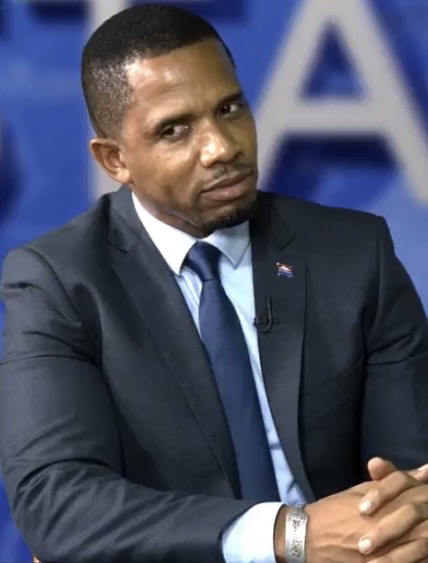
Speaking in an interview with QTV, Dr. Ceesay said he had observed what he called “elements of criminality” during the protests, which erupted across parts of the Greater Banjul Area after communities endured extended disruptions to electricity and water supplies.
Asked whether he believed the demonstrations had been politicized, Dr. Ceesay said he could not make such a determination without evidence.
“Whether it constitutes political criminality, I don’t have evidence to speak to that,” he said, adding that it would be unfair to make an allegation without evidence to support it.
What he could say, Dr. Ceesay argued, was that some of the conduct associated with the demonstrations was criminal. He cited the burning of tires, an alleged attack on a police station, and an incident involving the vice president’s residence.
The minister also questioned why protesters had chosen to demonstrate at night, saying those wishing to protest should do so during the day.
When asked whether Gambian law specifies the time of day during which protests may take place, Dr. Ceesay shifted his focus to the legal requirement for authorization.
“Well, there is nowhere in the law which says you should protest without a permit,” he said. “So the entire act was criminal, and therefore law enforcement was supposed to take its hard stance and use proportionate force to deal with that criminality, and we cannot allow that in this country.”
Dr. Ceesay defended the security response, arguing that the government had an obligation to preserve public order and protect what he described as the country’s development and democratic gains.
He said President Adama Barrow had laid the foundation for the country’s transformation and described The Gambia as a stable and secure democracy with a rapidly growing economy. He argued that those gains should not be jeopardized by a small number of people, regardless of whether their actions were politically motivated.
The protests followed widespread frustration over severe electricity and water shortages. From Sept. 7 through Sept. 9, residents in Banjul and several communities across the Greater Banjul Area took to the streets at night, with some households reporting outages lasting as long as 48 hours.
The demonstrations intensified public scrutiny of the government and the National Water and Electricity Company over the reliability of essential services, while also prompting debate over the conduct of protesters, the response of security forces, and the right to public assembly.
Comments are closed.