


By Fatou Sillah
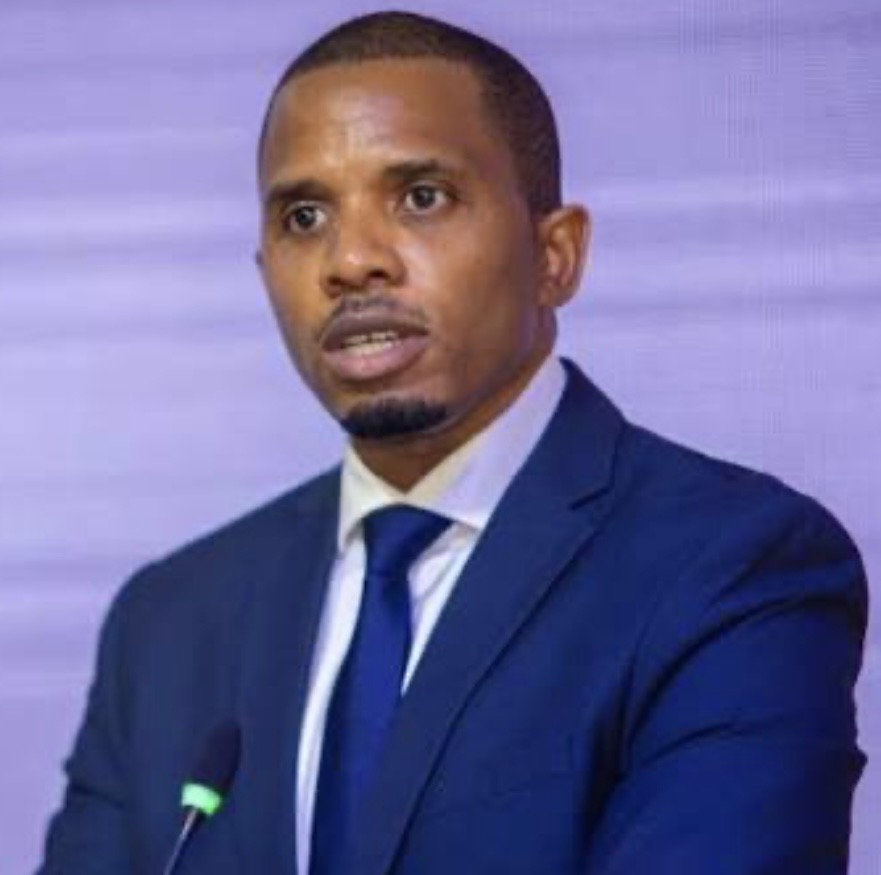
The Minister of Information, Media, and Broadcasting Services, Dr. Ismaila Ceesay, has said President Adama Barrow could secure at least 75 percent of the vote in the December 2026 presidential election if voters based their choice solely on his administration’s development record.
Ceesay made the remarks during an interview with West Coast Radio while discussing President Barrow’s ongoing nationwide development tour and the government’s investments in roads, healthcare, electricity, education, and agriculture.
“What I’ve seen in terms of the development the president is doing upcountry, from road infrastructure to health infrastructure to giving out ambulances to education infrastructure to agricultural support for farmers. Believe me, what I’ve seen, if only people vote because of delivery, what the president has delivered, if that is what informs people’s decision how they vote, if it’s only based on delivery, the president would not get anything less than 75% of the votes in these elections,” he said.
Ceesay cited the Hakalang road network and other recently completed and ongoing road projects as examples of the administration’s efforts to improve connectivity between rural communities and the country’s main road network.
He argued that some of the communities benefiting from the projects have relatively small populations, suggesting that the investments should be viewed as part of a broader national development agenda rather than projects driven primarily by electoral considerations.
According to Ceesay, the government’s development agenda extends beyond physical infrastructure to improving access to essential services, including healthcare, education, and markets.
He said the administration also takes into account concerns raised by communities during presidential tours when setting development priorities. Rural communities, he added, continue to identify access to clean water, roads, schools, health facilities, and agricultural support among their most pressing needs.
Ceesay also defended the government’s handling of the rising cost of living, describing the situation as a “challenge” rather than a “crisis” and arguing that its effects vary between urban and rural communities.
“The cost of living challenge is mostly an urban phenomenon, and we understand that,” he said.
He argued that many rural households rely on subsistence farming, allowing them to produce some of their own food while selling part of their harvest to meet other household expenses.
Comments are closed.