

Madi Jobarteh Says Lack of Character Among Political Leaders Is Hindering Gambia’s Development

By Seedy Jobe
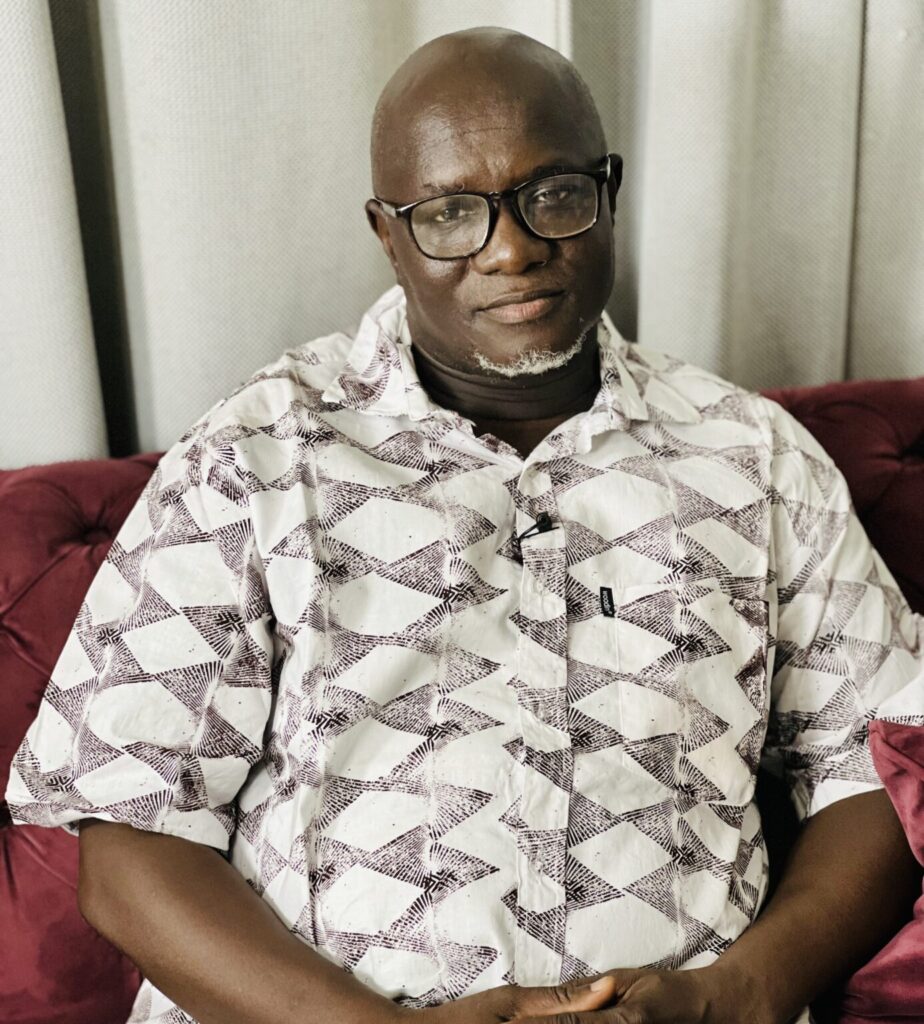
Madi Jobarteh, executive director of the Edward Francis Small Center for Rights and Justice, has argued that The Gambia’s development challenges stem not from a shortage of resources, expertise, or education but from what he described as a lack of character among the country’s political leaders.
“Character is a major problem in our country,” Mr. Jobarteh said during an interview on Kerr Fatou’s weekly Grand Bantaba program, where he discussed political defections and what he sees as a longstanding absence of principled leadership in Gambian politics.
Mr. Jobarteh rejected the notion that political defections, commonly referred to as “cross-carpeting,” are primarily a generational problem. He said politicians of different ages have switched political allegiances throughout the country’s post-independence history, from the administrations of Sir Dawda Kairaba Jawara and Yahya Jammeh to the current government of President Adama Barrow.
As a recent example, he pointed to Dr. Ismaila Ceesay, a younger political figure who joined President Barrow’s political camp, saying similar decisions have been made by older politicians over the years.
For Mr. Jobarteh, the more important question is not the age of political leaders, but the values and principles that guide their conduct.
He said The Gambia possesses many of the ingredients necessary for development, including educated and skilled citizens, natural resources, wealth and development plans. But those advantages, he argued, cannot produce meaningful progress without leaders of strong character.
Mr. Jobarteh said education, professional achievement and religious knowledge alone do not necessarily make someone an asset to society. A person could memorize the Quran or the Bible, or become an accomplished lawyer, doctor, engineer or scientist, he said, but without good character, that knowledge and expertise may do little to advance the country.
He described the issue as a longstanding national problem dating back to independence, but said it is particularly consequential among political leaders because of the power they wield over public institutions and national development.
Mr. Jobarteh, however, said some Gambian political figures have demonstrated consistency in their political positions over the years. He cited United Democratic Party leader Ousainu Darboe and PDOIS leaders Halifa Sallah and Sidia Jatta as examples.
People may agree or disagree with their politics, he said, but their willingness to maintain their positions and principles despite political pressure has earned them respect. He urged younger politicians to learn from that consistency.
Mr. Jobarteh said The Gambia needs a broader national conversation about character, values, and political leadership, arguing that the country’s development will continue to face obstacles unless those issues are addressed.
Comments are closed.