

Information Minister Says Fuel Prices Remain Stable Despite Global Pressures, Minister Warns of Uncertain Outlook

By Seedy Jobe
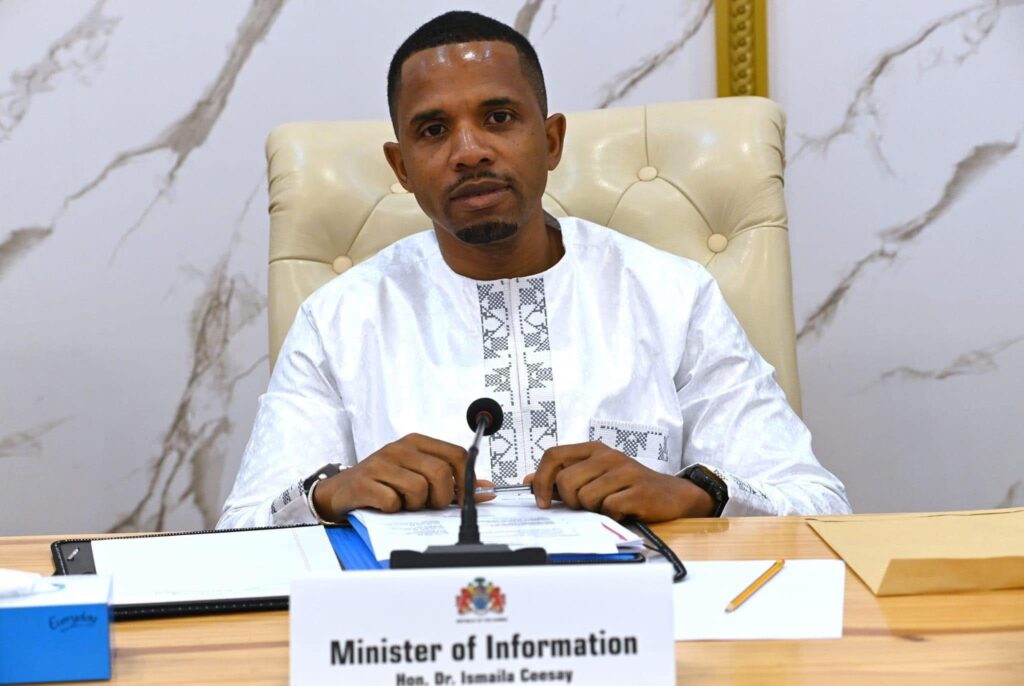
The Gambia has yet to feel the immediate effects of the global fuel crisis driven by tensions in the Middle East, but officials say the country remains highly vulnerable to potential disruptions, the information minister, Dr. Ismaila Ceesay, said this week.
Speaking to TRT on the sidelines of the Stratcom Summit 2026 in Istanbul, Dr. Ceesay said government subsidies have so far shielded consumers from rising global energy costs.
“Our fuel prices are still stabilized,” he said, pointing to what he described as a deliberate policy to cushion households and businesses from external shocks. “Those subsidies are still on.”
The Gambia, which imports nearly all of its energy needs — much of it from the Middle East — faces significant exposure should the conflict persist or escalate. Dr. Ceesay warned that the crisis is likely to have far-reaching consequences beyond the region.
“It’s going to have a serious impact, not only on The Gambia, but across the world,” he said, noting that many African countries share similar vulnerabilities due to their reliance on imported fuel.
For now, however, the effects have not been felt domestically. “As of now, we haven’t felt it on our palms yet,” he said.
Still, the government is preparing for possible disruptions. The duration and trajectory of the conflict, he said, will largely determine how severely countries like The Gambia are affected.
“We don’t know how long this war will last. It is very unpredictable,” Dr. Ceesay said. “Depending on its longevity, that will decide the scale of its impact on our countries.”
Officials are considering a range of measures to mitigate potential fallout, including strategies to better manage strategic fuel reserves and reduce dependence on external suppliers.
Dr. Ceesay also underscored the need for longer-term solutions, including diversifying energy sources and improving domestic energy use.
“We are looking at how to reduce exposure to these shocks,” he said, “while ensuring that we use our strategic reserves judiciously and explore alternative ways of sourcing and consuming energy at home.”
Comments are closed.