


By Makutu Manneh
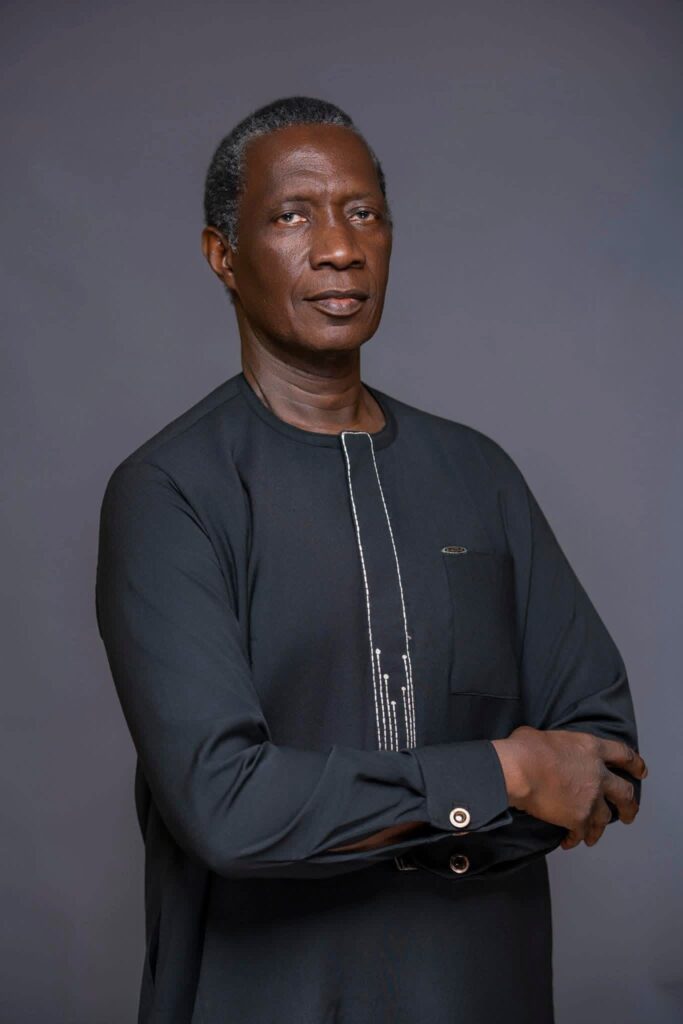
Lamin Manneh, the United Democratic Party’s deputy administrative secretary for external affairs, says the UDP-led Gambia First Coalition plans to govern through shared responsibility and performance contracts, an approach he says is intended to emphasize results rather than the traditional division of government positions among coalition partners.
Speaking on Coffee Time with Peter Gomez, Manneh was asked what guarantees had been agreed upon among coalition partners to ensure the alliance would operate as a genuine partnership rather than simply as a UDP government with other parties attached to it.
Manneh said the parties had signed a memorandum of understanding outlining how they would work together. A more detailed agreement governing how the coalition would operate if it wins power, he said, is expected to be finalized soon.
“We will be discussing how to run this country and how to share responsibilities,” Manneh said. “For us, it is not power-sharing. Power-sharing tends to indicate that we are looking for positions, power, and money. We are sharing responsibilities.”
Under that model, he said, coalition partners would agree on who should oversee particular ministries, departments, agencies, and state-owned enterprises, with those appointed expected to meet clearly defined goals.
Manneh said such a system would be particularly important given what he described as the difficult circumstances the coalition expects to inherit if it takes office. He pointed to deteriorating public resources, weakened management systems, and widespread corruption, saying a new government could also find itself confronting depleted state finances.
Against that backdrop, he said, ministers and permanent secretaries would be required to sign performance contracts setting out specific targets and deadlines. Their progress would be reviewed every two or three months to determine whether those targets were being met, exceeded, or missed.
If an official falls behind, Manneh said, the government would first examine the reasons and determine whether additional support, including personnel, funding, or other resources, was needed.
“The purpose of the contracts is not to punish but to ensure service delivery to Gambians,” he said.
The system, Manneh added, would extend beyond cabinet ministers to senior officials across the public administration, including permanent secretaries, directors, and heads of state-owned enterprises.
Under the proposed structure, ministers would sign performance contracts with the president and, in turn, establish similar agreements with permanent secretaries, directors, and the heads of institutions under their supervision.
Manneh said the coalition also intends to establish a government delivery unit responsible for tracking performance across ministries and agencies. The unit, he said, would work with public officials to identify problems, keep institutions on schedule, and help them meet their objectives.
For Manneh, the emphasis on measurable targets is central to the coalition’s promise that a change in government would also bring a change in how the state operates.
He said the coalition had made a commitment to Gambians to improve public services and deliver results, arguing that those promises must be backed by clear benchmarks against which officials can be judged.
Manneh also expressed confidence that the UDP-led Gambia First Coalition would win the presidential election scheduled for Dec. 5.
Comments are closed.