


By Seedy Jobe
Journalists, election officials, and representatives of civil society convened in Banjul on Tuesday to begin developing a code of conduct and media toolkit designed to strengthen ethical, accurate, and responsible reporting during The Gambia’s 2026 presidential election.
The consultation, organized by the Commonwealth Secretariat in partnership with the Independent Electoral Commission (IEC) and the Gambia Press Union (GPU), brought together media practitioners, electoral authorities, and development partners at the TANGO Conference Hall as preparations intensify for the December presidential vote.
The initiative aims to establish professional guidelines for election coverage while equipping journalists with practical tools to navigate an increasingly complex information environment marked by the spread of misinformation and disinformation.
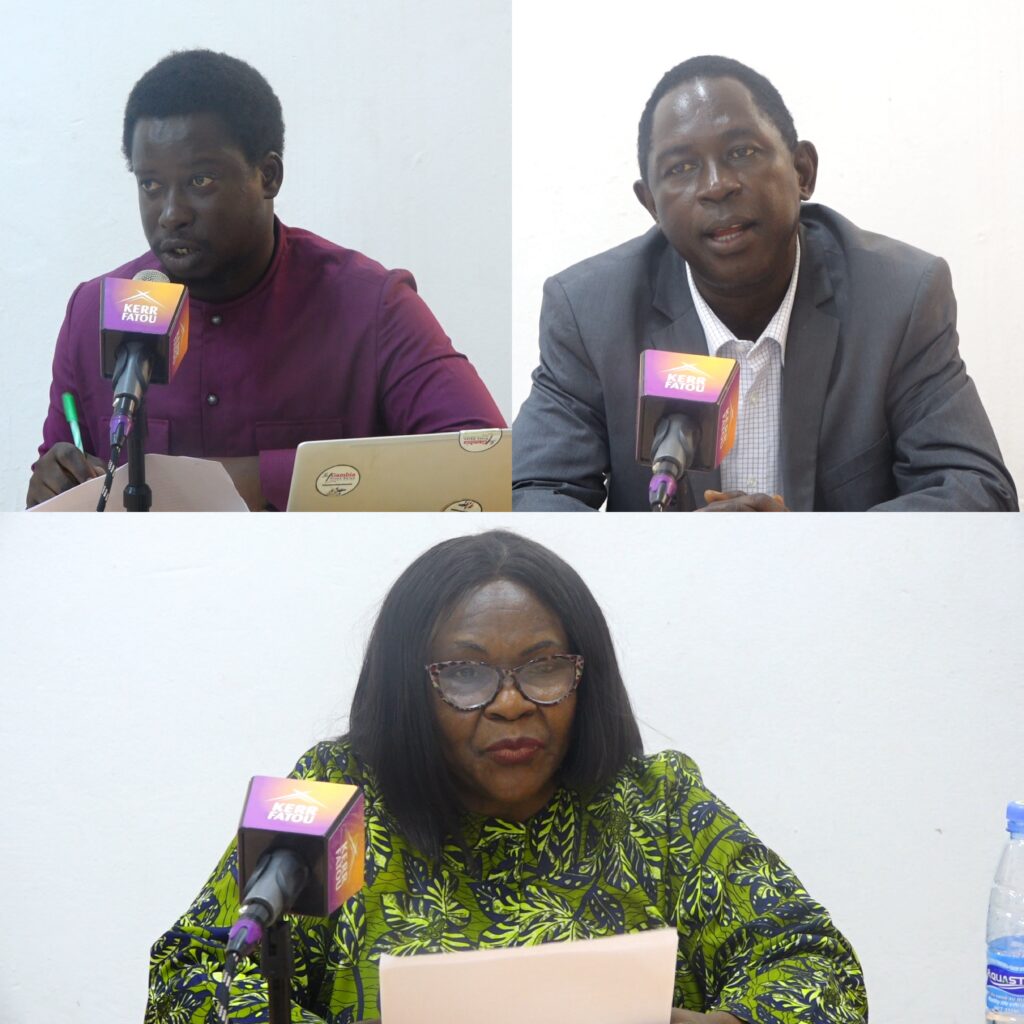
Opening the consultation, GPU Secretary General Modou S. Joof said the process was intended to ensure that journalists play a central role in shaping the proposed code of conduct rather than simply adopting a document drafted without their input.
“This consultation process provides an opportunity for the media industry to shape the focus of the proposed code of conduct, as well as the media toolkit, and to take ownership of the documents,” Mr. Joof said.
He said the exercise builds on the union’s broader efforts to strengthen journalism in The Gambia through initiatives that include training in local-language reporting, combating misinformation and hate speech, and improving the safety and security of journalists.
Mr. Joof cautioned, however, that professional standards alone would not guarantee credible election coverage. Journalists, he said, must also be able to obtain public information and carry out their work without intimidation, harassment, or legal interference.
Without those protections, he said, the media’s ability to inform voters and hold political actors and electoral institutions accountable would be significantly weakened.
Pa Makan Khan, the IEC’s Director of Communications, described the consultation as timely as the country moves closer to the December 2026 election.
He said the Commission operates on the principle of leaving “no room for error” and stressed that all participants in the electoral process—including journalists—must have a thorough understanding of the country’s electoral laws and regulations.
According to Mr. Khan, the proposed code of conduct would serve as an important instrument for addressing fake news, misinformation, and disinformation during the election period. He said it would be aligned with the media provisions of the Elections Act and complement existing codes of conduct already developed for election observers and IEC officials.
Rebecca Scott, representing the Commonwealth Secretariat, said the visit formed part of a scoping mission to determine how the organization could best support journalists, civil society organizations, and the IEC ahead of the elections.
She cited the Secretariat’s work in Malawi before the country’s 2019 elections, where it helped develop a similar code of conduct and media toolkit to encourage fair, impartial and professional election reporting.
Ms. Scott said the Commonwealth was not seeking to duplicate initiatives already being undertaken by development partners in The Gambia. Instead, she said, the objective was to identify gaps where additional technical and institutional support could strengthen ongoing efforts.
“If there is a clear demand and recognised gap, the next phase could involve developing a code of conduct, convening a forum of journalists for government officials and relevant stakeholders, and building capacity, developing toolkits, and supporting the code of conduct launch,” she said.
The consultation is expected to produce recommendations on both the content and implementation of the proposed code of conduct and media toolkit, with the broader goal of promoting professional election reporting and contributing to free, fair, transparent and peaceful presidential elections in 2026.
Comments are closed.