

UDP’s Sanneh Sees Echoes of 2016 as Party Eyes Presidential Victory

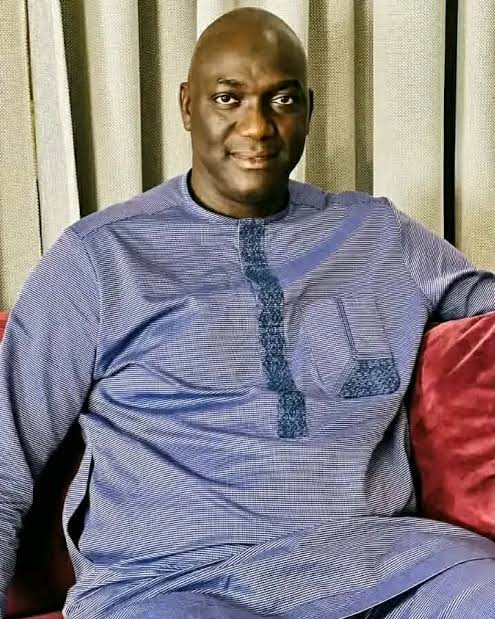
By Fatou Sillah
Lamin J.K. Sanneh, the United Democratic Party’s (UDP) deputy administrative secretary for social affairs and fundraising, has expressed confidence that his party is well-positioned to win the December 5 presidential election, citing its growing political support and widespread public dissatisfaction with President Adama Barrow’s administration.
Speaking in an interview with Eye Africa, Mr. Sanneh said the political climate ahead of the election bore striking similarities to 2016, when a coalition of opposition parties defeated former President Yahya Jammeh after 22 years in power.
He argued that the UDP’s electoral prospects had been strengthened by the support of other political parties, which he believes has given it a numerical advantage over its rivals.
“My assessment is that we have many political parties, but UDP has a bigger chance this year,” he said.
Mr. Sanneh attributed what he described as growing demands for political change to mounting economic hardship and deteriorating public services. He cited the rising cost of living, shortages of essential medicines in hospitals, challenges in the education system, and persistent electricity shortages as major sources of public frustration.
According to him, these difficulties have eroded confidence in the Barrow administration and strengthened calls for a change in leadership.
He also drew a distinction between the current political environment and that of 2022, arguing that public dissatisfaction with the government had become more pronounced. He said Gambians were increasingly vocal in demanding President Barrow’s departure from office.
Turning to governance and political accountability, Mr. Sanneh said elected leaders had a responsibility to honor their commitments to the electorate or provide credible explanations when circumstances prevented them from doing so.
He warned that repeated failures to fulfill campaign promises could undermine public trust and weaken the credibility of political leadership.
Mr. Sanneh also addressed the UDP’s continuing disagreement with the Independent Electoral Commission (IEC) over approximately 14,000 votes.
He said the commission’s failure to release what the party considers a complete voter list and the underlying electoral data had left UDP officials with lingering concerns about transparency.
According to Mr. Sanneh, the unresolved questions surrounding the disputed figures have contributed to the party’s unease over the commission’s handling of electoral information.
Comments are closed.